What causes abdominal bloating? 7 specific causes
Abdominal bloating is the messenger. The real causes can be dozens, and each one comes down to your own biochemistry.
What causes abdominal bloating?
Abdominal bloating usually comes from a specific biochemical imbalance that keeps producing or trapping gas, and in chronic cases it can bring abdominal pain and sometimes diarrhea along with the discomfort. In the clinics where I work as a scientific collaborator, the same complaint keeps leading back to very different triggers.
Bloating is the feeling of trapped gas, pressure or fullness. Distension is a measurable increase in waist size. The two often travel together, but they can also appear on their own, and that difference matters when you look for the cause.9
The misplaced air mystery
At first glance, it might seem that bloating after eating comes from food sitting in your stomach. The cause usually sits deeper. The bloat you feel is rarely swallowed air that travels straight down into your belly. Swallowed air would have to cross several meters of gut first, and in adult cadavers the small and large intestine together measured close to 8 meters on average.10
Instead, most of it comes from processes deep in your digestive system. Gas produced inside, especially between the angled colonic flexures, is the usual culprit. Chronic bloat of this kind is a signal that the gut's natural fermentation is off, and many people try home remedies without ever finding out which cause is behind it. The step-by-step mechanism, from the first bite to the flexures, is explained in bloating and gas after eating.
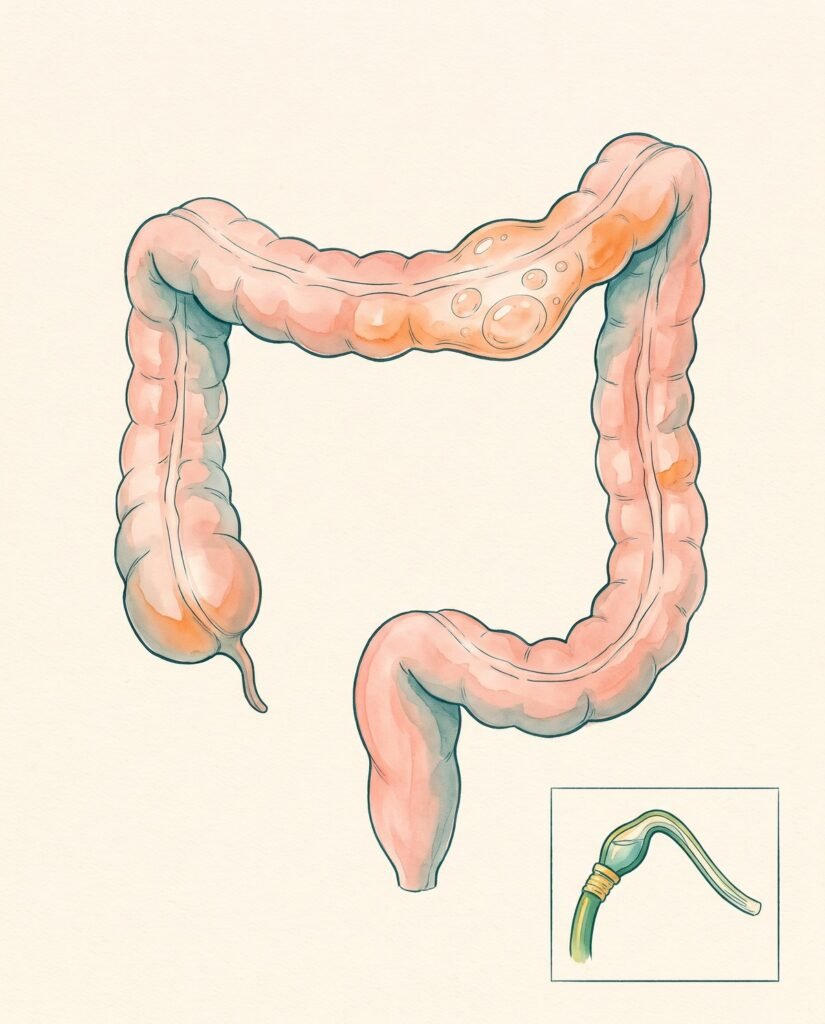
Why do I look pregnant when I bloat?
Many people with functional bloating have no more gas inside than anyone else. Their belly swells because of how the muscles around it react. In a CT study of 47 patients with a functional bowel disorder, total abdominal volume rose by only about 0.3 liters during a severe bloating episode, while the front wall pushed out and the diaphragm moved down.2
- A normal amount of gas
Gas reaches the colon, often no more than in people without bloating.
- The diaphragm contracts
Instead of relaxing upward, the diaphragm tightens and moves down, a reflex called abdomino-phrenic dyssynergia.
- The abdominal wall gives way
The internal oblique muscle relaxes, so the front wall has nothing holding it in.
- Contents shift forward
The gut is pushed down and forward, and the waist measures larger.
Shown in patients with functional gut disorders, in CT and muscle recording studies.
When researchers added the same colonic gas load to patients and healthy volunteers, the patients developed clearly more distension, with a paradoxical contraction of the diaphragm.11 Breathing-focused biofeedback reduced diaphragm activity and brought the girth down by about 25 mm on average in a small group of 15 patients.3 That is why diaphragmatic breathing appears in the American Gastroenterological Association advice for this pattern.8
7 specific causes of abdominal bloating
The response to bloating treatment, even within the same diagnosis of IBS, differs completely from one patient to the next. It all comes down to different biochemistries. Here are seven examples, each with a different trigger behind the same symptom.
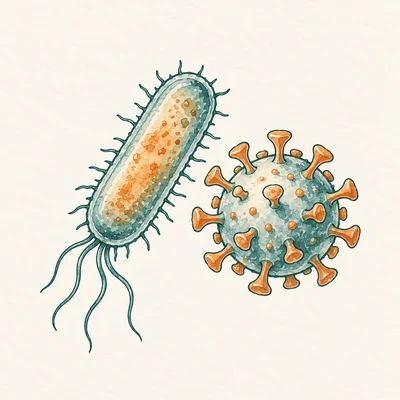
Post-infectious bloating
After an infection or a course of antibiotics, the balance in your digestive system is disturbed. This dysbiosis can lead to a buildup of gas and even diarrhea. Across 45 studies, more than 10% of people developed IBS within a year of an infectious enteritis, and antibiotic use during the infection raised the odds.4 If you were sick recently and the bloat lingers, your gut bacteria may still be recovering. Read the post-infectious IBS case and viral versus bacterial post-infectious IBS.
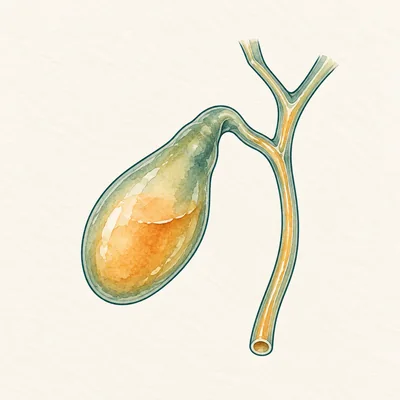
Post-cholecystectomy bloating
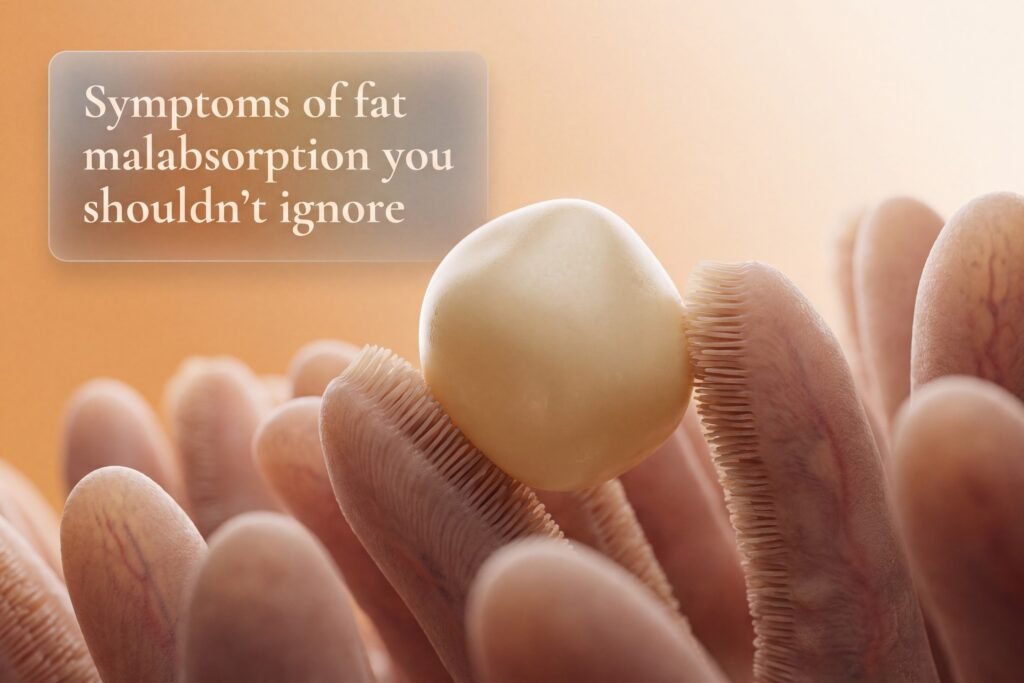
After gallbladder removal, fat digestion changes. This can lead to poor fat absorption and a belly that fills with gas, often with abdominal pain. It is a specific biochemical response to a disrupted digestive process, and portion size plays a smaller part. The effect varies from person to person, and in one prospective study clear new diarrhea in the months after the operation was rare.12 Read the post-cholecystectomy IBS case and IBS after gallbladder removal.
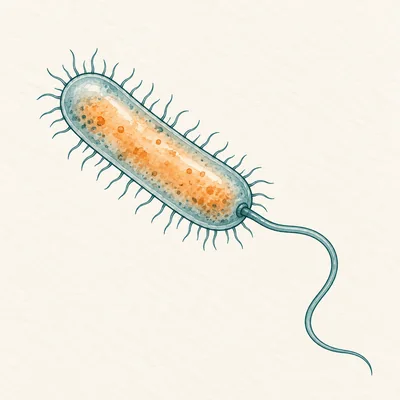
After contracting Pseudomonas from a pet
Believe it or not, a pet can be the suspected source in some cases seen in practice. Pseudomonas aeruginosa turned up in 46 of 47 people with IBS in one stool study, against 10 of 30 healthy controls, and higher numbers went with abdominal distension.13 It was also more common in duodenal brushings of IBS patients.14 Its elastase loosened the tight junctions between epithelial cells in cell cultures, so it may irritate the duodenal lining and keep inflammation going.15 The bloat here comes from the bacteria, with swallowed air playing no real part. Read the Pseudomonas-predominant IBS case and Pseudomonas high in stool.
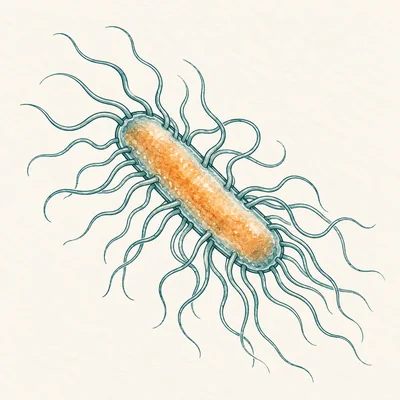
If you have Proteus and take glutamine
In laboratory work, excess L-glutamine was a strict requirement for Proteus mirabilis to swarm, its fast-spreading form.16 A glutamine supplement may therefore help Proteus spread in a gut where it is already high, and the bloat can come with constipation and abdominal pain. In such cases the quality of the fermentation matters more than the amount you eat. Read the Proteus-predominant IBS case and can glutamine cause diarrhea.
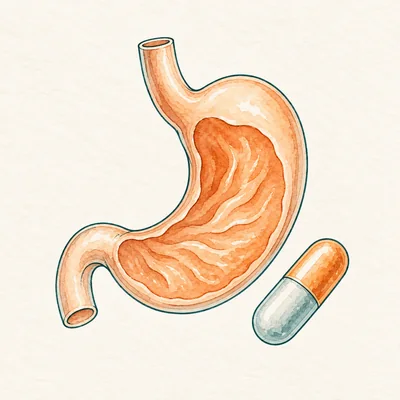
After taking PPIs for a long time
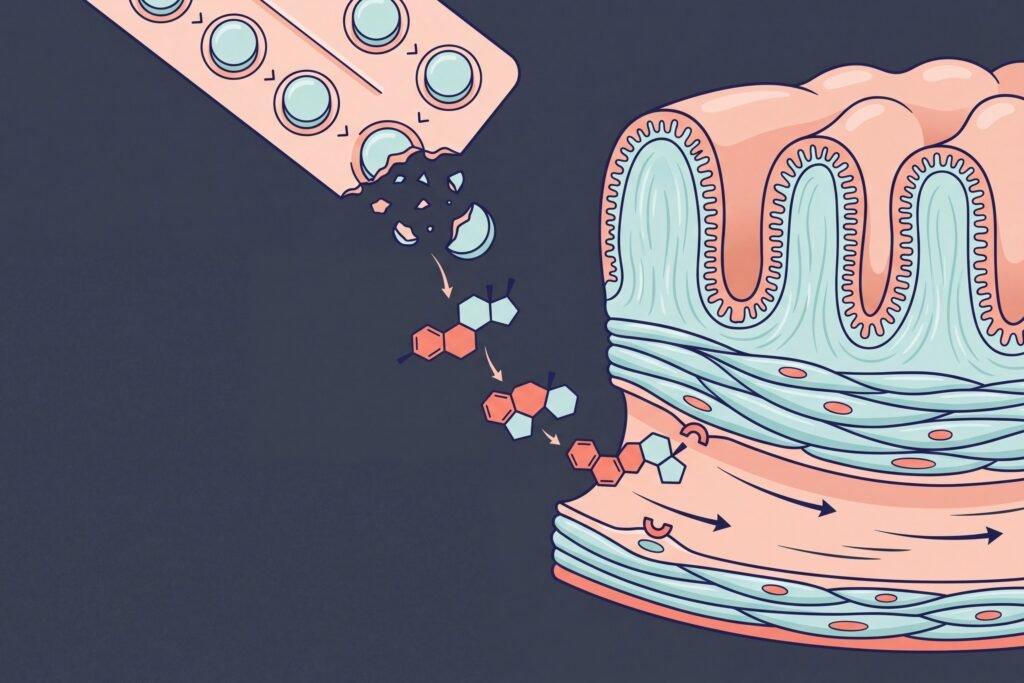
Long-term use of proton pump inhibitors has been linked to small intestinal bacterial overgrowth. In a meta-analysis of 11 studies the odds of SIBO were about twice as high in PPI users, and the link was clearest when SIBO was diagnosed by culture of intestinal fluid.5 A later analysis of 19 studies found a moderate increase.17 With less stomach acid the environment shifts, and the gas and bloating that follow can become a real source of pain. Read the PPI and IBS case and PPIs and vitamin B12.
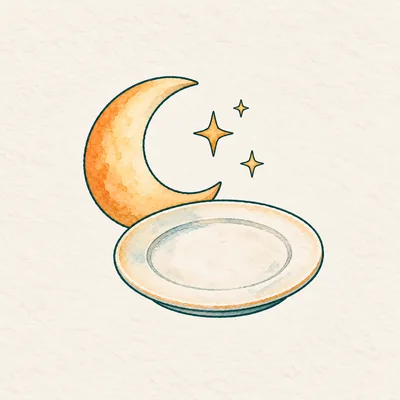
Chronic late-night eating, SIBO-IBS
Regular late meals can disrupt normal stomach emptying. In healthy men, solid food left the stomach about 54% more slowly at 8 PM than at 8 AM.18 Food that lingers may give bacteria more time to ferment, and the bloat that leaves you overly full can turn into chronic bloating that keeps coming back. Read the SIBO case and is snacking bad for digestion.
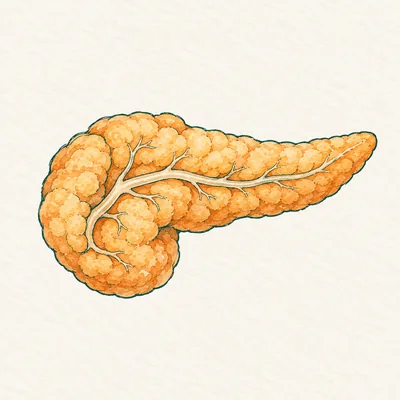
If you have diabetes
In people with diabetes, exocrine pancreatic insufficiency can lead to poor digestion. A review estimated moderate insufficiency in 30% to 50% of people with type 1 diabetes and 15% to 35% with type 2.6 Undigested food then ferments, which causes gas, bloating and abdominal discomfort, and over time weight loss rather than gain. Read the IBS and diabetes case and symptoms of fat malabsorption.
These are only some of the possible causes. Although bloating is the shared symptom in every scenario above, the biochemical trigger differs. To resolve bloating, you first need to recognize the specific trigger behind it. Without that, treatment tends to chase the symptom, and long-term relief stays out of reach.
Infographic
After an infection
More than 10% of people developed IBS within a year of an infectious enteritis across 45 studies.
Gallbladder removal
Fat digestion changes after the operation. This can lead to poor fat absorption and a belly that fills with gas.
Long-term PPIs
Long-term PPI use has been linked to small intestinal bacterial overgrowth. The odds of SIBO were about twice as high in users.
Late-night meals
Late meals can disrupt stomach emptying. In healthy men, solid food left the stomach about 54% more slowly at 8 PM than at 8 AM.
Diabetes and the pancreas
In diabetes, exocrine pancreatic insufficiency can lead to poor digestion. Undigested food then ferments and causes gas and bloating.
Sources: Klem et al. 2017, Lo and Chan 2013, Goo et al. 1987, Capurso et al. 2019.
gutpathways.com
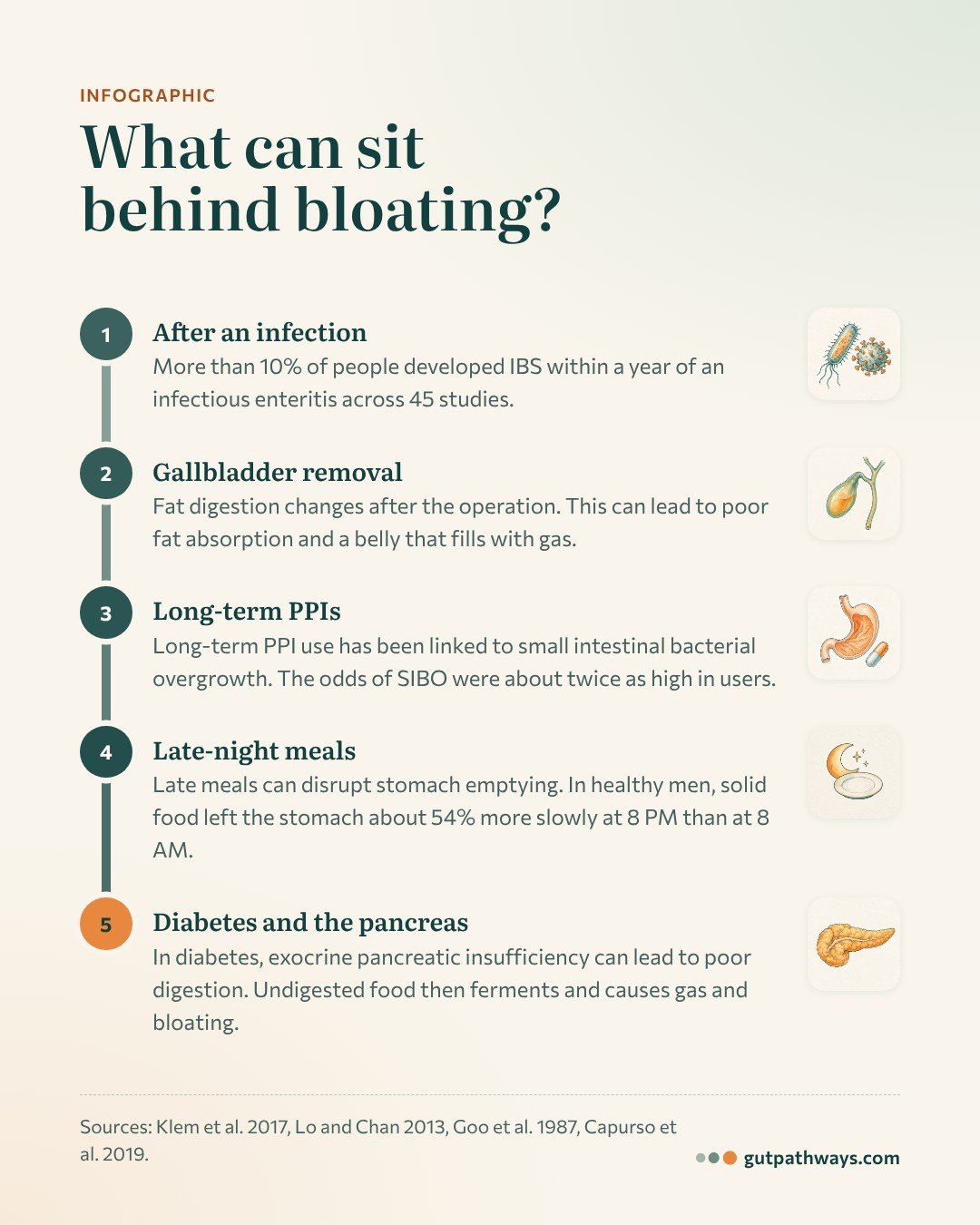 Save this infographicImage 4:5, with sources, from gutpathways.com
The same symptom can have very different causes in different people, which is also the case for IBS overall. I explain this in what causes IBS in different people.
Individual variability and anatomical causes of bloating
No two bodies are exactly alike. How bloating shows up depends on personal traits and even on anatomy. For instance, a dolichocolon may trap gas more easily, which makes the bloat both uncomfortable and persistent.
- Dolichocolon
- An inborn variant in which the colon is longer than usual, with extra loops, often at the flexures or in the sigmoid. Reported frequency ranges from 1.9% to 28.5%.19
Studies of the redundant colon describe a triad of constipation, abdominal pain and distension. More redundancies were linked with a longer colon transit time, and with more pain, bloating and infrequent bowel movements.19 When you feel bloated low in the abdomen in a way that seems unique to you, part of the answer may sit in this kind of physiology.
Why do women bloat more?
Hormonal fluctuations, especially in women, can add to bloating. Studies of healthy women found a slower gut transit in the luteal phase of the cycle, and women with IBS often report more abdominal pain, bloating or diarrhea around menstruation.20 Women were also more likely to report bloating in the large US survey.1 A cyclical pattern points to hormones as one layer, though it rarely explains the whole picture alone.
Diagnosing and managing abdominal bloating
Finding relief starts with a clear diagnosis. You have probably asked yourself how to get rid of a bloated belly, or whether bloating can cause shortness of breath. These questions need a personal approach, because the same answer will not fit two different causes.
Comprehensive medical, lifestyle and dietary history
It all begins with a detailed review of your medical history. When the bloat appears, whether it follows certain foods such as lactose or other foods linked to intolerance, and whether constipation or diarrhea come with it, all give useful clues. Past infections, antibiotics, surgery, long-term medicines and meal timing belong in the same history.
Targeted testing and analysis
Next comes targeted testing. Tests for specific bacterial populations, enzyme deficiencies, small intestinal bacterial overgrowth or lactose intolerance can reveal the cause, alongside the clinical criteria for IBS. The choice should follow the evidence.
Personalized management strategies
Managing bloating then needs a plan built around the cause. Diet adjustments, antimicrobials, probiotics and other interventions may help relieve bloating when they match the cause. Probiotics are a debated choice: the AGA expert review advises against using them for bloating and distension on their own.8
When is abdominal bloating a warning sign?
Most bloating is functional, but some patterns need a doctor first. Recent, frequent bloating together with a growing abdomen deserves attention. In one study of women presenting to primary care, bloating raised the odds of ovarian cancer about 3.6-fold and an increase in abdominal size about 7.4-fold, and the combination of bloating, a larger abdomen and urinary symptoms appeared in 43% of the women with cancer against 8% of clinic patients.7
How to relieve bloating?
Your bloat can be traced back to very specific causes, from post-infectious dysbiosis and the changes after a cholecystectomy to long-term PPI use or late-night eating. Understanding the cause is the first step toward a remedy that works for you.
Remember, bloating is a signal from your body that something in your stomach and gut needs attention. In practice, effective management comes from addressing the underlying cause, whether that means adjusting your diet or restoring balance in your digestive system. For meal-specific triggers, see how to match digestive enzymes for bloating to the food behind it.
Frequently asked questions
Constant fullness can come from slow stomach emptying, constipation, an overgrowth in the small intestine or a pancreas that releases too few enzymes. Fullness after only a few bites with weight loss needs a medical check, and the pancreas side is covered in symptoms of fat malabsorption.
A tight, swollen belly can feel as if it limits your breath. In functional distension, though, the diaphragm moves down rather than up, and lung volume rose during episodes in one study.3 Real breathlessness, especially with swelling of the legs or a belly that keeps growing, needs a medical check.
Yes. Stress hormones and the nervous system change how strongly the gut contracts after a meal, so the same food can bloat you more on a stressful day. The details are in bloating and gas after eating.
A feeling of trapped gas, pressure or fullness in the abdomen, sometimes with a visibly larger waist, belching, flatulence or pain.9
Rarely, but it can. Frequent, recent bloating with an increase in abdominal size and urinary symptoms was much more common in women with ovarian cancer than in women at primary care clinics.7 New bloating that persists for weeks deserves a medical check.
Foods rich in fermentable carbohydrates, such as beans, onions, wheat and some fruits, and dairy for people low in lactase. Which foods matter for you depends on the cause behind your bloating.
Walking, changing position and slow diaphragmatic breathing help many people, and diaphragmatic breathing is part of the AGA advice for bloating with distension.8 If trapped gas is a daily problem, look for the cause behind it.
References
21 studies
- Oh JE, Chey WD, Spiegel B. Abdominal bloating in the United States: results of a survey of 88,795 Americans examining prevalence and healthcare seeking. Clin Gastroenterol Hepatol. 2023.
- Accarino A, Perez F, Azpiroz F, Quiroga S, Malagelada JR. Abdominal distention results from caudo-ventral redistribution of contents. Gastroenterology. 2009.
- Barba E, Burri E, Accarino A, et al. Abdominothoracic mechanisms of functional abdominal distension and correction by biofeedback. Gastroenterology. 2015.
- Klem F, Wadhwa A, Prokop LJ, et al. Prevalence, risk factors, and outcomes of irritable bowel syndrome after infectious enteritis: a systematic review and meta-analysis. Gastroenterology. 2017.
- Lo WK, Chan WW. Proton pump inhibitor use and the risk of small intestinal bacterial overgrowth: a meta-analysis. Clin Gastroenterol Hepatol. 2013.
- Capurso G, Traini M, Piciucchi M, Signoretti M, Arcidiacono PG. Exocrine pancreatic insufficiency: prevalence, diagnosis, and management. Clin Exp Gastroenterol. 2019.
- Goff BA, Mandel LS, Melancon CH, Muntz HG. Frequency of symptoms of ovarian cancer in women presenting to primary care clinics. JAMA. 2004.
- Moshiree B, Drossman D, Shaukat A. AGA clinical practice update on evaluation and management of belching, abdominal bloating, and distention: expert review. Gastroenterology. 2023.
- Lacy BE, Cangemi D, Vazquez-Roque M. Management of chronic abdominal distension and bloating. Clin Gastroenterol Hepatol. 2021.
- Hounnou G, Destrieux C, Desmé J, Bertrand P, Velut S. Anatomical study of the length of the human intestine. Surg Radiol Anat. 2002.
- Villoria A, Azpiroz F, Burri E, Cisternas D, Soldevilla A, Malagelada JR. Abdomino-phrenic dyssynergia in patients with abdominal bloating and distension. Am J Gastroenterol. 2011.
- Hearing SD, Thomas LA, Heaton KW, Hunt L. Effect of cholecystectomy on bowel function: a prospective, controlled study. Gut. 1999.
- Shukla R, Ghoshal U, Dhole TN, Ghoshal UC. Fecal microbiota in patients with irritable bowel syndrome compared with healthy controls using real-time polymerase chain reaction: an evidence of dysbiosis. Dig Dis Sci. 2015.
- Kerckhoffs APM, Ben-Amor K, Samsom M, et al. Molecular analysis of faecal and duodenal samples reveals significantly higher prevalence and numbers of Pseudomonas aeruginosa in irritable bowel syndrome. J Med Microbiol. 2011.
- Azghani AO, Gray LD, Johnson AR. A bacterial protease perturbs the paracellular barrier function of transporting epithelial monolayers in culture. Infect Immun. 1993.
- Armbruster CE, Hodges SA, Mobley HL. Initiation of swarming motility by Proteus mirabilis occurs in response to specific cues present in urine and requires excess L-glutamine. J Bacteriol. 2013.
- Su T, Lai S, Lee A, He X, Chen S. Meta-analysis: proton pump inhibitors moderately increase the risk of small intestinal bacterial overgrowth. J Gastroenterol. 2018.
- Goo RH, Moore JG, Greenberg E, Alazraki NP. Circadian variation in gastric emptying of meals in humans. Gastroenterology. 1987.
- Raahave D. Dolichocolon revisited: an inborn anatomic variant with redundancies causing constipation and volvulus. World J Gastrointest Surg. 2018.
- Bharadwaj S, Barber MD, Graff LA, Shen B. Symptomatology of irritable bowel syndrome and inflammatory bowel disease during the menstrual cycle. Gastroenterol Rep (Oxf). 2015.
- Pimentel M, Saad RJ, Long MD, Rao SSC. ACG clinical guideline: small intestinal bacterial overgrowth. Am J Gastroenterol. 2020.
Found this useful? Share it with someone who needs it.
Cite this article
Prevedoros, T. (2025, February 19). What causes abdominal bloating? 7 specific causes. Gut Pathways. https://gutpathways.com/articles/abdominal-bloating-causes/