Post-infectious IBS differs after a virus or a bacterium
A viral infection and a bacterial one can both lead to post-infectious IBS with the same symptoms. The way back to normal is not always the same.

What is post-infectious IBS?
Irritable bowel syndrome that starts with an infection
- Post-infectious IBS (PI-IBS)
- A form of irritable bowel syndrome (IBS) that begins after an episode of infectious gastroenteritis. A virus or a bacterium can cause that episode.
IBS is one of the most common digestive disorders. Its symptoms are abdominal pain, bloating and a change in bowel habits, with diarrhea, constipation or both. In PI-IBS, a stomach bug that seemed to pass leaves these symptoms behind, and they stay.
How common is it? In one review, about 6 to 17% of people with IBS believed that their symptoms began after gastroenteritis.1 Seen from the other side, meta-analyses found that roughly 1 in 10 people develop IBS after an infectious gastroenteritis.2, 3
PI-IBS is recognized as a clinical entity. Even so, the Rome criteria do not list it as a subtype. They classify IBS by bowel habit (diarrhea, constipation or mixed) and not by cause.4
Viral and bacterial triggers
Infectious gastroenteritis is an inflammation of the intestines caused by a microorganism. Viruses such as norovirus and rotavirus are common causes. Among bacteria, the usual ones are Salmonella, Campylobacter and Escherichia coli (E. coli). To compare the acute illnesses themselves, see our article on viral and bacterial gastroenteritis.
The risk of PI-IBS depends on the germ. After a confirmed infection with Salmonella or Campylobacter, the risk is higher than after a viral infection.1 Antibiotics given during the first infection were linked with a higher risk of IBS afterward (an odds ratio of 1.7 in a large meta-analysis).3 One reason may be that they disturb the gut microbiome. For more on that link, see IBS after antibiotics.
Common infectious agents and the molecules they use
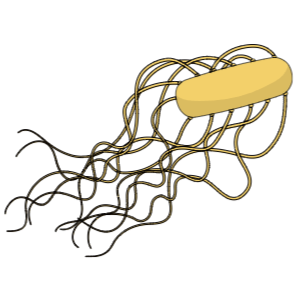
Bacteria and the molecules they use
Each of these bacteria harms the gut in its own way:
- Invasins and enterotoxins
Salmonella makes invasins and enterotoxins. Together they damage the intestinal lining and cause diarrhea.
- Cytolethal distending toxin (CDT)
Campylobacter releases a toxin called cytolethal distending toxin (CDT). It can damage intestinal cells and lead to inflammation.
- LT and ST enterotoxins
Most strains of Escherichia coli are harmless. Enterotoxigenic E. coli (ETEC) makes heat-labile (LT) and heat-stable (ST) enterotoxins, and these can cause severe diarrhea.
- Shiga toxin in some strains
Shigella invades the lining of the colon and damages it, which can lead to bloody diarrhea. Some strains also make Shiga toxin. PI-IBS has been described after Shigella infection.5
- Cholera toxin (CT)
Vibrio cholerae releases cholera toxin (CT). The toxin switches on the production of cyclic AMP in intestinal cells, and this leads to severe watery diarrhea.
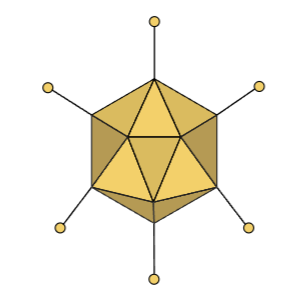
Viruses and the molecules they use
Viruses cause gastroenteritis through different proteins:
- VP1 protein
Norovirus is highly contagious. Its VP1 protein helps it bind to host cells. The infection causes inflammation and diarrhea.
- NSP4 protein
Rotavirus is a double-stranded RNA virus. Its NSP4 protein acts as an enterotoxin and leads to diarrhea.
- Capsid protein
Astrovirus is a single-stranded RNA virus. Its capsid protein is linked to diarrhea through damage to the intestinal barrier.
- VPg protein
Sapovirus is related to norovirus. Its VPg is a protein attached to the viral genome, and it supports the replication of the virus.
- Fiber protein
Adenovirus is a DNA virus. Its fiber protein helps the virus enter host cells, and the infection then disrupts the intestinal lining.
How viral and bacterial infections affect the gut
Different effects on the gut
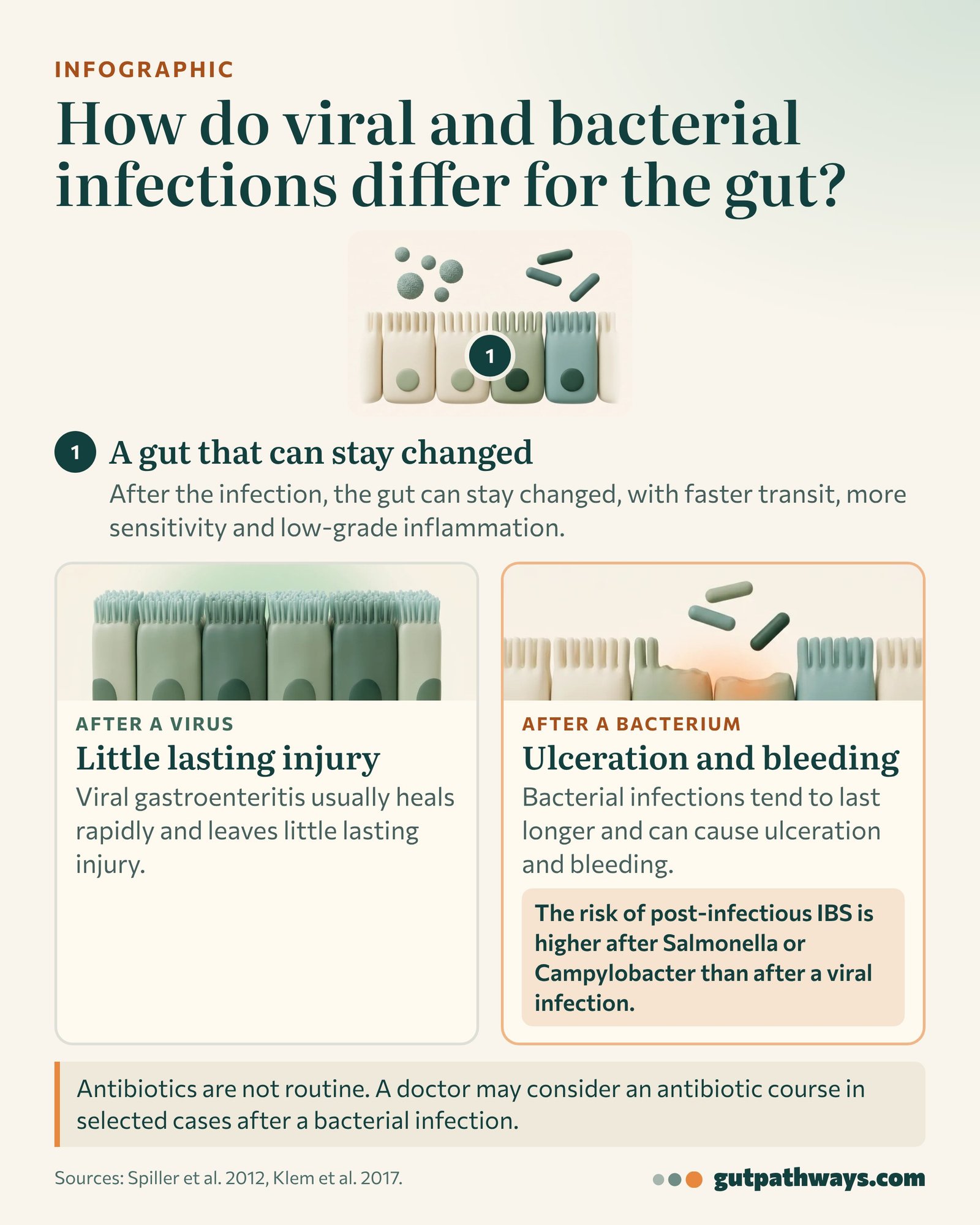
Both kinds of infection can have a strong effect on the gut. Viral gastroenteritis (norovirus, rotavirus, astrovirus, sapovirus and adenovirus) usually heals rapidly and leaves little lasting injury. Bacterial infections such as Campylobacter, Salmonella and Shigella tend to last longer. They can cause ulceration and bleeding. These are the infections most often linked to PI-IBS.1
Several factors raise the risk of PI-IBS after a bacterial gastroenteritis. They are:6, 1
- female sex
- psychological distress (anxiety or somatization)
- adverse life events
- a longer first illness
- more severe tissue damage
During a diarrheal illness, the gut moves faster and becomes more sensitive. Both usually return to normal, but the pace differs from person to person. By three months, most of the people who are going to recover have done so. After that, the rate of recovery slows down.1
What can stay changed after the infection
Once the infection is over, the gut can still look different. The lining may change, low-grade inflammation can remain, and the number of enteroendocrine cells can rise. Cytokines are thought to drive these changes.
The main content of enteroendocrine cells is serotonin (5-HT). Serotonin stimulates peristalsis and intestinal secretion, so more of it can mean faster transit and looser stools.7, 1 The immune response also seems to differ in people with PI-IBS.8 Overlap with small intestinal bacterial overgrowth (SIBO) has been described as well.9
How the two infections spread
Viral gastroenteritis spreads through contaminated food and water. It also spreads by contact with contaminated surfaces such as clothes, furniture and utensils. Bacteria travel the same fecal-oral route, but improperly prepared or stored food is another common source. Some bacteria make toxins that cause the illness, either directly or through their by-products.
Infographic
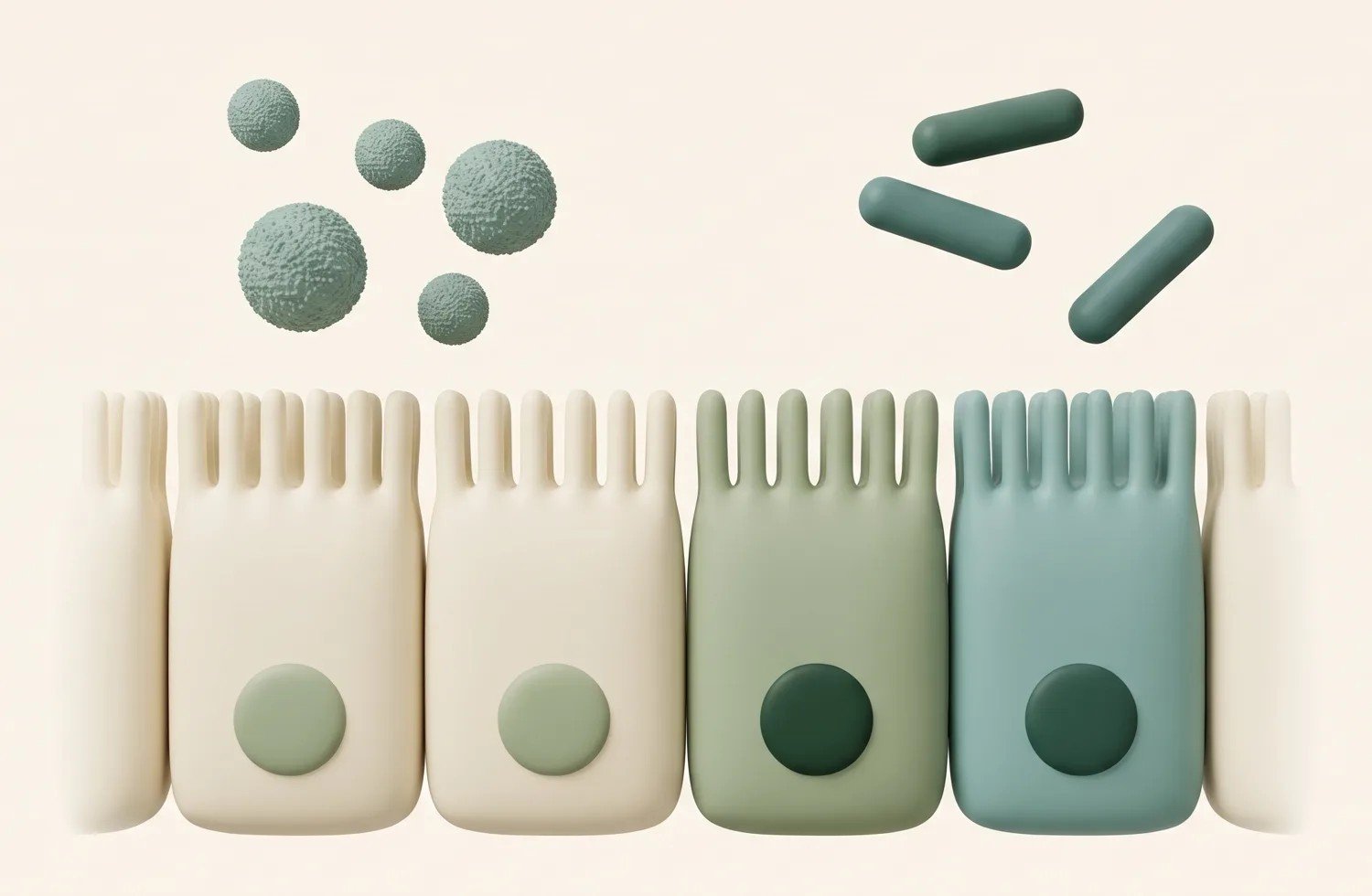
A gut that can stay changed
After the infection, the gut can stay changed, with faster transit, more sensitivity and low-grade inflammation.
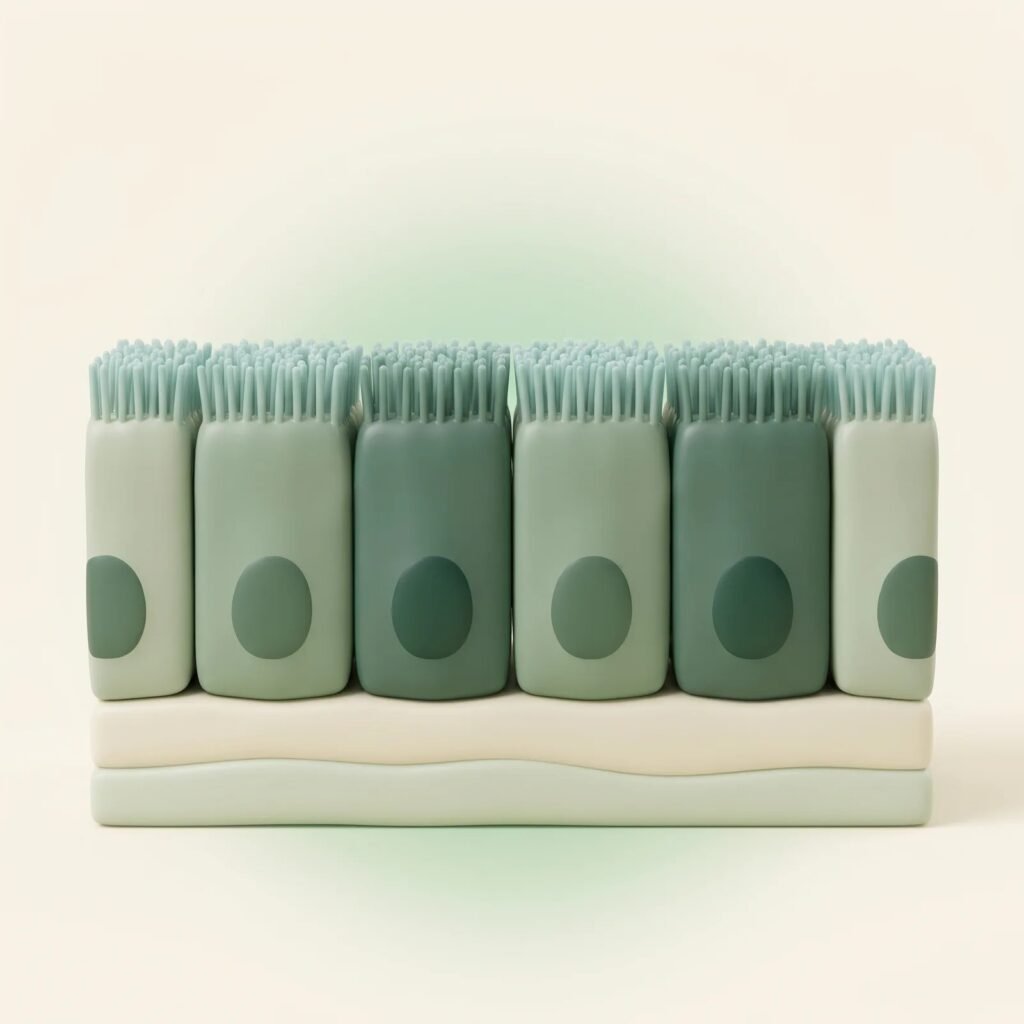
After a virus
Little lasting injury
Viral gastroenteritis usually heals rapidly and leaves little lasting injury.
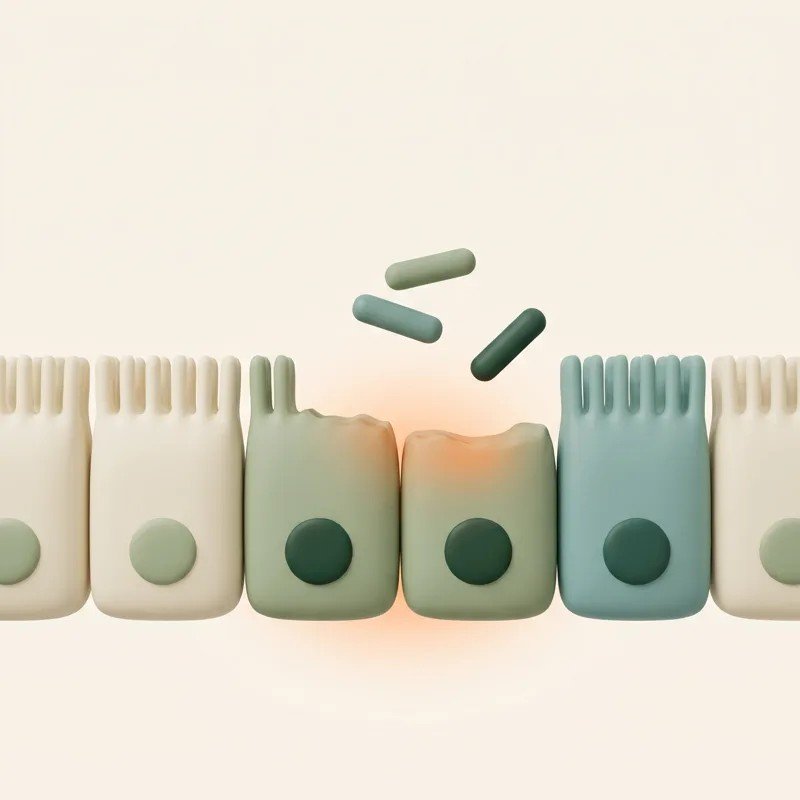
After a bacterium
Ulceration and bleeding
Bacterial infections tend to last longer and can cause ulceration and bleeding.
The risk of post-infectious IBS is higher after Salmonella or Campylobacter than after a viral infection.
Antibiotics are not routine. A doctor may consider an antibiotic course in selected cases after a bacterial infection.
Sources: Spiller et al. 2012, Klem et al. 2017.
gutpathways.com
 Save this infographicImage 4:5, with sources, from gutpathways.com
Why the trigger matters for treatment
Why identify the first infection
Each person has individual risk factors, and these matter. Still, knowing the first infection helps to choose the approach. Viral and bacterial gastroenteritis differ in course, healing time and effect on the gut.
A viral gastroenteritis usually heals faster. It is less likely to leave areas of inflammation, and it tends to disturb the diversity of the gut microbiome less. In practice, PI-IBS after a viral infection is often handled by managing symptoms and supporting general gut health.
A bacterial gastroenteritis can do more damage to the lining of the gut. In some cases the damage looks similar to what is seen in inflammatory bowel disease. This is why a doctor may consider an antibiotic course in selected cases (see post-infectious IBS treatment). Antibiotics are not routine, and they should never be started on your own. The lining also needs time and support to recover.
Viral and bacterial gastroenteritis differ in course, healing time and effect on the gut. That is why the first infection matters.
Different approaches based on the trigger
Because a bacterial gastroenteritis can have a heavier effect on the gut, the approach may need to go further. It may aim to restore conditions in the gut, such as pH, and to choose meals that do not provoke motility. A diet that supports gut health and a balanced microbiome is part of recovery. After a severe bacterial infection, behavioral and lifestyle changes may be needed as well.
Four examples
Glutamine
In a randomized trial, glutamine supplements improved symptoms in people with PI-IBS and diarrhea.10 It does not suit everyone. Some bacteria, such as Proteus mirabilis, use glutamine to survive, form biofilms and develop antibiotic resistance. When that bacterium is involved, glutamine may add to the symptoms instead of easing them.
Antibiotics
After a viral infection, PI-IBS tends to resolve more often by itself. After a bacterial infection, a doctor may consider an antibiotic course in selected cases. Do not start one on your own.
Probiotics
After a viral infection, simple mixtures are often used, such as Saccharomyces boulardii, lactobacilli and bifidobacteria. After a bacterial infection, the choice may need more care. Some people are sensitive to mast cell activation, and some lactobacilli strains are histamine producers. In these people, such strains can make symptoms worse.
Support for the gut lining
After a viral infection, nutrients that support the lining are often needed for a shorter time. After a bacterial infection, they may be needed for longer.
Can COVID-19 cause post-infectious IBS?
The gut in COVID-19
COVID-19 is caused by the SARS-CoV-2 virus. It has been linked to bowel symptoms. The virus has been found in intestinal cells and in stool, even in people whose nose and throat tests were negative.11 Its target, the ACE2 receptor, is present in large amounts in the small intestine.
ACE2 helps to keep the gut in balance, so changes in it could lead to bowel symptoms. These may come from a direct effect of the virus on the lining of the gut or from the inflammation it triggers.
Possible pathways to IBS after COVID-19
SARS-CoV-2 infection can be linked to inflammation in the bowel. Higher fecal levels of cytokines such as IL-8 were found in people with COVID-19. Fecal calprotectin, a marker of gut inflammation, was raised in some of them.12 A prospective study then found that some people developed IBS after COVID-19.13
Five mechanisms are proposed for IBS after COVID-19:
- Dysbiosis
- Inflammation
- Epithelial barrier dysfunction
- Increased intestinal permeability
- Visceral hypersensitivity
COVID-19 is a new trigger, and its long-term effect on the gut is still under study. The approach may differ from the usual one for viral or bacterial PI-IBS. More research is needed before clear advice can be given.
Can post-infectious IBS be treated completely?
The answer is "sometimes"
Whether PI-IBS can be treated completely depends on several factors. A viral and a bacterial trigger are approached differently, as shown above. Many people improve with time, and in some the symptoms last for years. Understanding the mechanisms behind the illness, and the nature of the first infection, helps to decide which steps make sense.
What shapes the outcome
In the gastroenterology clinics where I work as a scientific collaborator, one point is clear. Many factors affect the result of any intervention for PI-IBS. These include the severity of the infection, the medical history of the person, and any underlying gut or psychological condition. The specific germ behind the first infection matters too.
Frequently asked questions
It varies from person to person. Some people have symptoms for a few weeks or months after the infection. Others have them for years. Symptoms usually improve over time, but they can rise and fall in intensity and frequency. For the factors behind this, see post-infectious IBS recovery time.
Many people improve over time, but in some it lasts for years. The course differs from person to person. Treatment options and lifestyle changes can help control symptoms in the long term.
They are often used. Antispasmodics relax spasms of the gut muscle, and this can ease pain, cramping and irregular bowel movements.14 They tend to work better together with diet and lifestyle changes. In post-infectious IBS, they should not be the only treatment.
In some cases food poisoning leads to IBS, especially after a severe or long infection. The infection can change gut motility, raise sensitivity and disturb the gut microbiome. These changes can keep the symptoms going after the infection is over.
There is no single cure. Many people improve a lot over time. Antispasmodics, diet changes and stress management can help with symptoms. Some people keep their symptoms in the long term, while in others they fade or go away.
References
14 studies
- Spiller R, Lam C. An update on post-infectious irritable bowel syndrome: role of genetics, immune activation, serotonin and altered microbiome. J Neurogastroenterol Motil. 2012.
- Thabane M, Kottachchi DT, Marshall JK. Systematic review and meta-analysis: the incidence and prognosis of post-infectious irritable bowel syndrome. Aliment Pharmacol Ther. 2007.
- Klem F, Wadhwa A, Prokop LJ, et al. Prevalence, risk factors, and outcomes of irritable bowel syndrome after infectious enteritis: a systematic review and meta-analysis. Gastroenterology. 2017.
- Mearin F, Lacy BE, Chang L, et al. Bowel disorders. Gastroenterology. 2016.
- Ji S, Park H, Lee D, et al. Post-infectious irritable bowel syndrome in patients with Shigella infection. J Gastroenterol Hepatol. 2005.
- Spiller R, Campbell E. Post-infectious irritable bowel syndrome. Curr Opin Gastroenterol. 2006.
- Beatty JK, Bhargava A, Buret AG. Post-infectious irritable bowel syndrome: mechanistic insights into chronic disturbances following enteric infection. World J Gastroenterol. 2014.
- Sundin J, Rangel I, Fuentes S, et al. Cytokine response after stimulation with key commensal bacteria differ in post-infectious irritable bowel syndrome (PI-IBS) patients compared to healthy controls. PLoS One. 2015.
- Ghoshal UC, Gwee KA. Post-infectious IBS, tropical sprue and small intestinal bacterial overgrowth: the missing link. Nat Rev Gastroenterol Hepatol. 2017.
- Zhou Q, Verne ML, Fields JZ, et al. Randomised placebo-controlled trial of dietary glutamine supplements for postinfectious irritable bowel syndrome. Gut. 2019.
- Xiao F, Tang M, Zheng X, et al. Evidence for gastrointestinal infection of SARS-CoV-2. Gastroenterology. 2020.
- Effenberger M, Grabherr F, Mayr L, et al. Faecal calprotectin indicates intestinal inflammation in COVID-19. Gut. 2020.
- Marasco G, Lenti MV, Cremon C, et al. Post COVID-19 irritable bowel syndrome. Gut. 2023.
- Lacy BE, Pimentel M, Brenner DM, et al. ACG clinical guideline: management of irritable bowel syndrome. Am J Gastroenterol. 2021.
Found this useful? Share it with someone who needs it.
Cite this article
Prevedoros, T. (2023, April 16). Post-infectious IBS differs after a virus or a bacterium. Gut Pathways. https://gutpathways.com/articles/post-infectious-ibs-viral-vs-bacterial/