Can glutamine cause diarrhea? The Proteus link in IBS
L-glutamine is a popular supplement for the gut lining. In some people with IBS, though, it can make diarrhea, bloating and pain worse. A common reason is Proteus mirabilis, a gut bacterium that uses excess glutamine as a signal.
Can L-glutamine cause diarrhea?
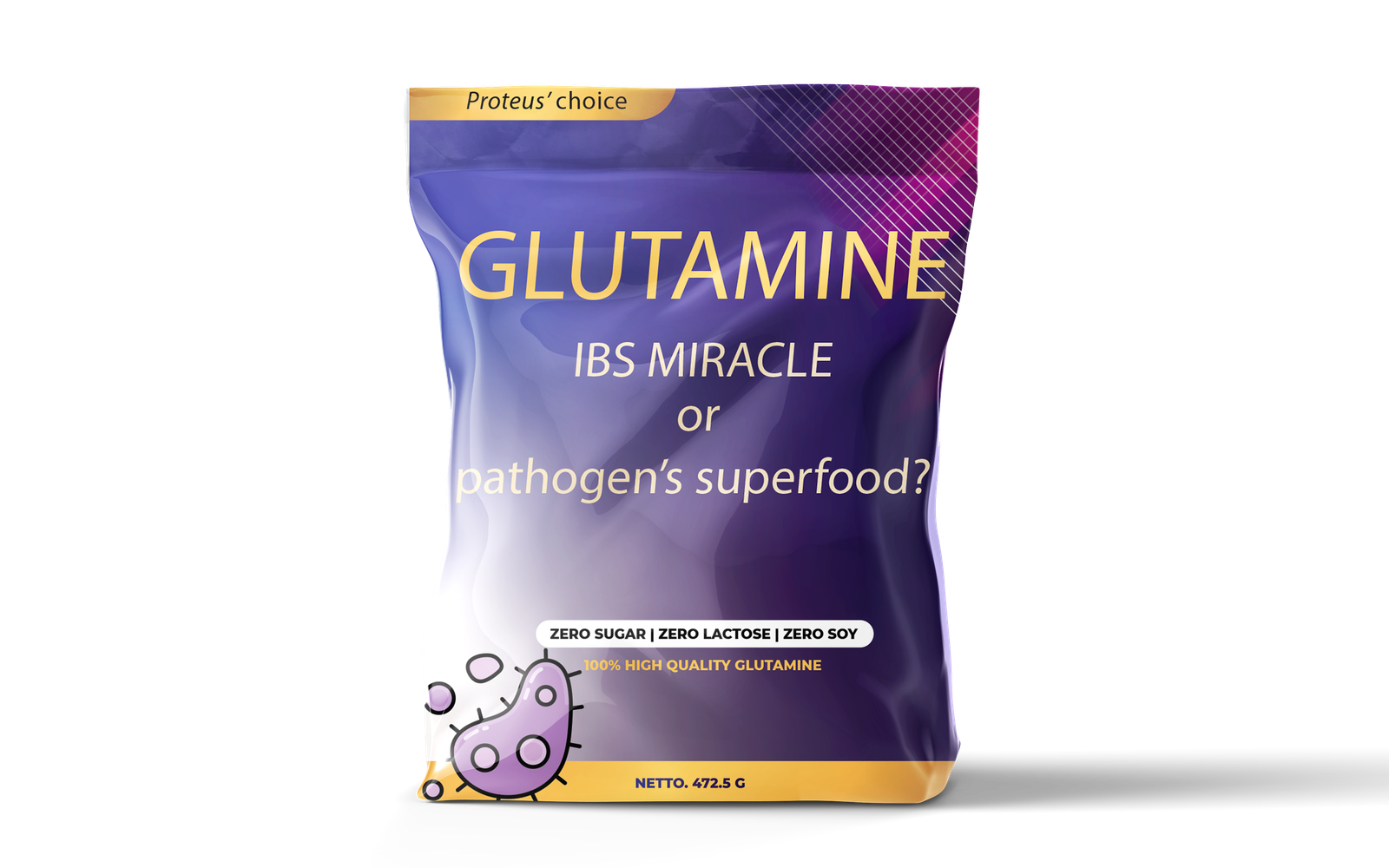
Yes, L-glutamine can make diarrhea worse in some people with IBS. In these cases there is usually a high load of Proteus mirabilis in the gut. This bacterium uses excess L-glutamine as a cue to switch into its swarming form, the form linked with its harmful properties.3
L-glutamine for IBS: what the trials show
Glutamine is the main fuel of the cells that line the small intestine. It also supports the tight junctions that keep the gut barrier closed.1 For this reason many practitioners and patients use it for bloating, gas and a leaky gut.
However, the evidence in people is weaker than its reputation. A meta-analysis of ten trials found no overall effect of glutamine on gut permeability. A small effect appeared only with doses above 30 g a day, taken for less than two weeks.2 So glutamine can help some people, but it is not a sure fix for the gut lining.
Your cells are not the only ones using glutamine
In the gut we are never alone. Trillions of microbes live there, and each species has its own metabolism with hundreds of chemical reactions. Bacteria therefore use dietary glutamine for their own purposes too.
One of them is Proteus mirabilis, which needs excess glutamine to start swarming.3, 4 Proteus is a normal, low-level resident of the human gut, but it carries many tools that can harm the lining when its numbers rise.5
Why Proteus needs glutamine
First of all, Proteus uses glutamine to build its proteins, like any other cell. That part is harmless, because it needs only small amounts. The problem starts when there is excess glutamine around it.
Proteus has a property called swarming: the coordinated movement of a whole population across a surface.6 Swarming starts only under certain conditions and needs a strong enough signal. Excess L-glutamine is one of these signals.3 In fact, glutamine is the amino acid that researchers use in the laboratory to start swarming in Proteus.4
- Swarming
- The coordinated movement of a bacterial population across a surface. Swarming Proteus cells grow long, make many extra flagella and switch on a different set of genes.7
Our gut absorbs most of the glutamine we eat, but part of a large supplement dose may stay in the gut, where resident Proteus can use it. This is an inference from the laboratory findings above and has not been measured in people with IBS. To swarm, the cells first change their shape and metabolism. Swarming Proteus also produces large amounts of ammonia through its urease.8
How Proteus causes symptoms
Proteus species carry many tools that may matter for the gut: movement, adhesion, urease, toxins and the ability to acquire antibiotic resistance.5 The six below explain most of the symptoms.
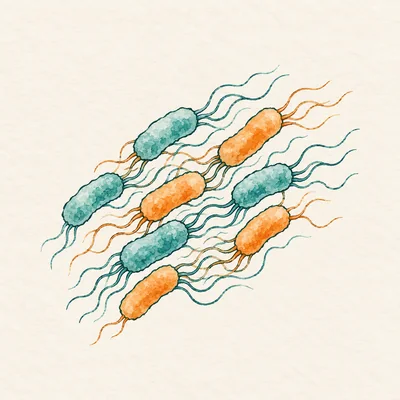
Swarming
With large amounts of glutamine, Proteus changes its shape, moves very fast and uses its flagella more. This is an evolutionary state that helps it thrive and survive under certain conditions.3
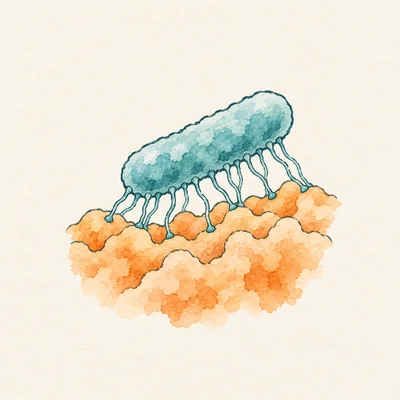
Inflammation
Proteus attaches to host tissues with specialized fimbriae (pili). Once it is attached, an inflammatory cascade can start, with molecules such as interleukin-6.8
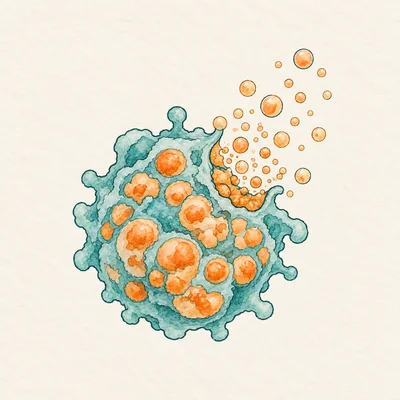
Histamine production
Some bacteria related to Proteus, such as Morganella morganii (once called Proteus morganii), produce large amounts of histamine.9 Histamine is a known mediator of allergies and asthma, and it may add to urgency and pain in diarrhea-predominant IBS.
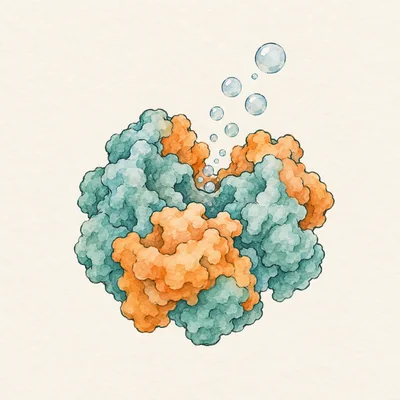
Urease activity
Proteus has strong urease activity. Urease turns urea into ammonia, and ammonia makes the environment more alkaline, which may favor other, less friendly microbes.8
Systemic effects
Even when Proteus dies, it releases LPS, an inflammatory molecule from its outer membrane. LPS can cross a leaky gut barrier and reach the bloodstream. Higher LPS levels have been reported in autoimmune conditions, autism and Parkinson's disease, although a cause has not been proven.
Why do some people feel better on glutamine at first?
Glutamine is a trophic agent, so it feeds the cells of the lining and helps restore the junctions between them.1 For this reason many people with IBS feel better for a while.
The problem starts when Proteus, or another swarming bacterium, is overgrown. In the clinics where I work as a scientific collaborator, people in this group often feel better at first, but the next flare can be stronger, because the bacterium has been fed in the meantime.
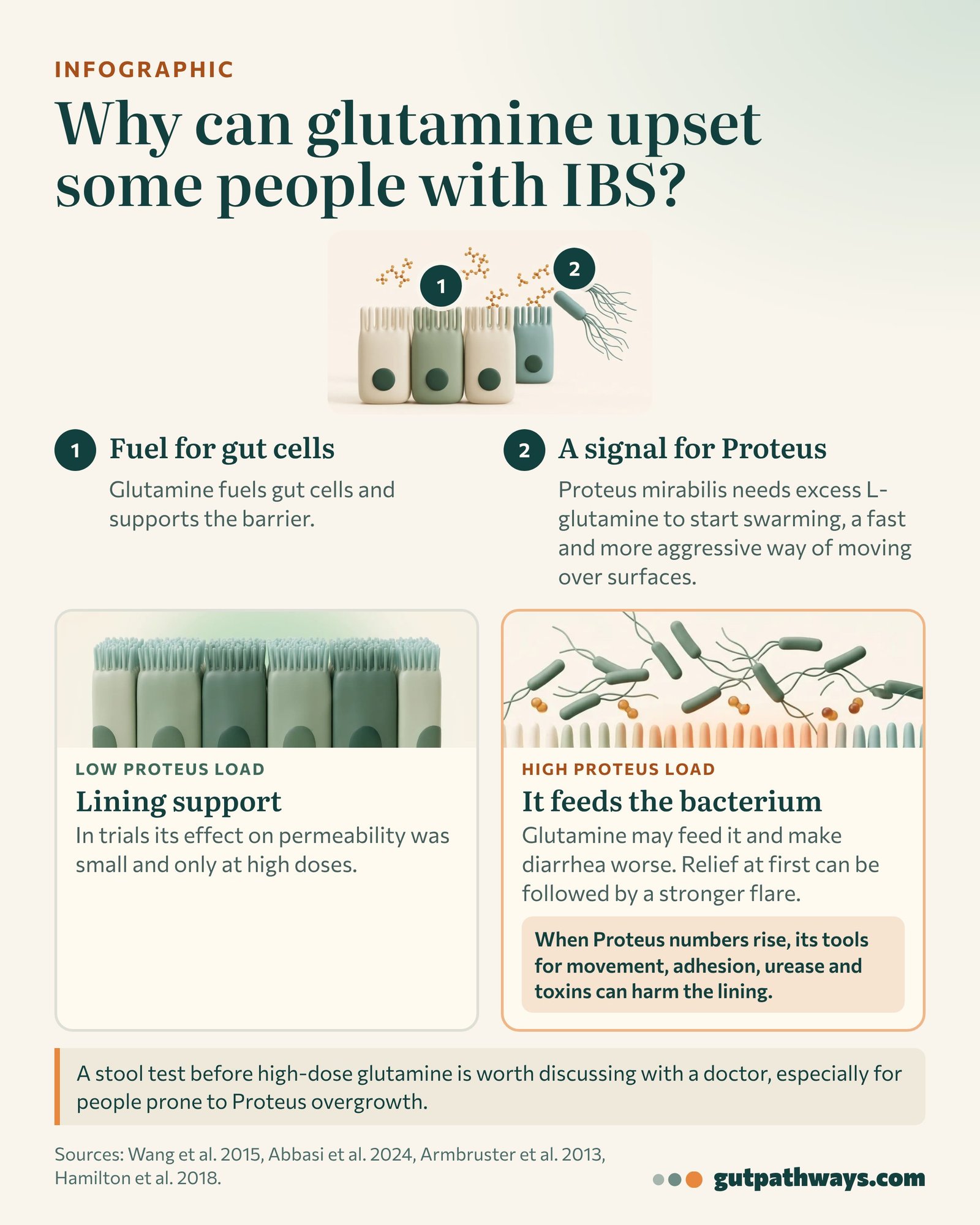
Infographic
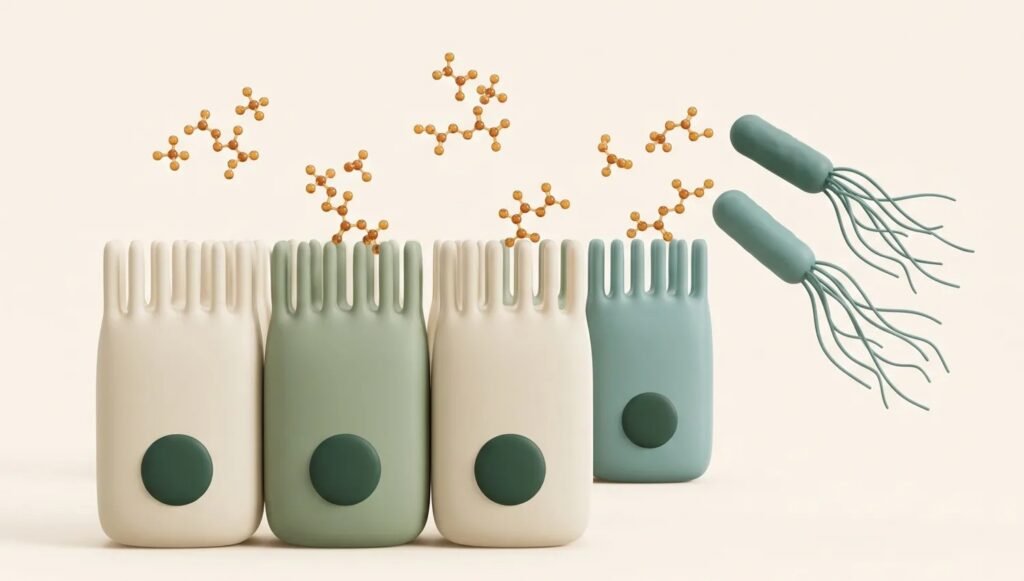
Fuel for gut cells
Glutamine fuels gut cells and supports the barrier.
A signal for Proteus
Proteus mirabilis needs excess L-glutamine to start swarming, a fast and more aggressive way of moving over surfaces.

Low Proteus load
Lining support
In trials its effect on permeability was small and only at high doses.
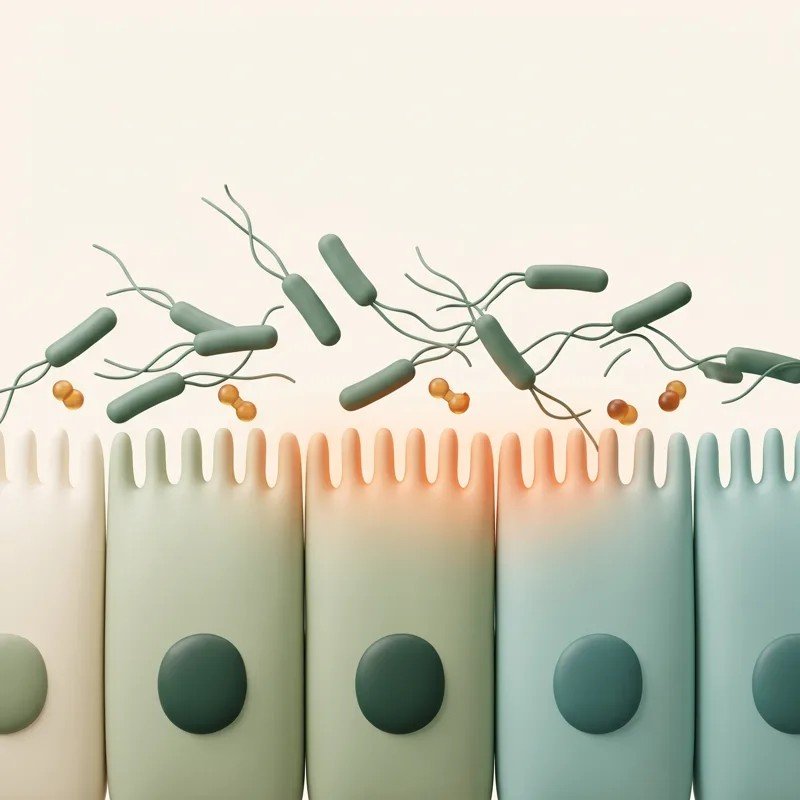
High Proteus load
It feeds the bacterium
Glutamine may feed it and make diarrhea worse. Relief at first can be followed by a stronger flare.
When Proteus numbers rise, its tools for movement, adhesion, urease and toxins can harm the lining.
A stool test before high-dose glutamine is worth discussing with a doctor, especially for people prone to Proteus overgrowth.
Sources: Wang et al. 2015, Abbasi et al. 2024, Armbruster et al. 2013, Hamilton et al. 2018.
gutpathways.com
 Save this infographicImage 4:5, with sources, from gutpathways.com
Who may want a stool test before taking glutamine
Proteus lives in almost everyone's gut. Its numbers are kept in check by the nutrients available, the space it can take and the host's immune defenses.5 When these conditions change, Proteus can expand. The groups below are more prone to this:
- chronic IBS
- immunosuppressive treatment
- diabetes
- repeated urinary tract infections
- athletes with bowel symptoms
- Crohn's disease and ulcerative colitis
Proteus can cause problems at low levels
Most stool cultures report Proteus as negative. However, symptoms linked with Proteus may appear at these "negative" levels. Since Proteus lives in almost every human gut, a negative culture often means a low level.
In the clinics where I work as a scientific collaborator, quantitative stool tests (PCR or mass spectrometry) are preferred for measuring bacterial levels. Levels above about 10,000 cells per gram of stool may cause symptoms under some conditions. This cut-off comes from clinical experience and has not been validated in published studies.
Symptoms that often go along with Proteus overgrowth
In the clinics where I work as a scientific collaborator, people with high Proteus levels often show some form of inflammation. Even in IBS, a condition usually seen as non-inflammatory, markers such as CRP or the erythrocyte sedimentation rate are often raised.
Many of these people also report abdominal pain that spreads beyond the gut, stiffness and occasional allergic reactions. Autoimmune disorders, in the bowel or elsewhere, are not rare in this group. Most people have more than one main complaint. From the most common to the least common, these are:
- diarrhea
- bloating
- mixed bowel habits
- lower abdominal pain
- constipation
Treatment options for Proteus overgrowth
Treatment depends on how long Proteus has been overgrown. Because of its properties, Proteus reshapes its surroundings and makes them friendly for its own growth. For this reason, antibiotics may lower its numbers, but the bacteria that remain can regrow.10
Clearing it fully is one of the hardest tasks in this field. Besides antimicrobial treatment, doctors often add diet and lifestyle changes that restore gut function and help beneficial bacteria return. See Proteus mirabilis in stool and natural ways to lower Proteus mirabilis.
Takeaway
Every substance, natural or not, has risks at therapeutic doses. Glutamine is a natural amino acid, yet in large doses it may worsen several gut symptoms. It has another dark side as well: in the laboratory, glutamine stimulated the growth of human colon cancer cell lines.11
In IBS, a worsening from glutamine is not very common. Still, in the clinics where I work as a scientific collaborator it has come up many times. If you belong to one of the risk groups above, a stool test before high-dose glutamine is worth discussing with your doctor.
Frequently asked questions
Often it helps, because glutamine supports the gut lining that diarrhea can damage.1 However, if L-glutamine makes your symptoms worse in the short or middle term, a high level of Proteus in the gut is one possible reason, and a stool test can check for it.
People with chronic IBS, diabetes, repeated urinary tract infections, inflammatory bowel disease or immunosuppressive treatment are more prone to Proteus overgrowth. For them, a stool test before high-dose glutamine is worth discussing with a doctor.
References
11 studies
- Wang B, Wu G, Zhou Z, et al. Glutamine and intestinal barrier function. Amino Acids. 2015.
- Abbasi F, Haghighat Lari MM, Khosravi GR, et al. A systematic review and meta-analysis of clinical trials on the effects of glutamine supplementation on gut permeability in adults. Amino Acids. 2024.
- Armbruster CE, Hodges SA, Mobley HL. Initiation of swarming motility by Proteus mirabilis occurs in response to specific cues present in urine and requires excess L-glutamine. J Bacteriol. 2013.
- Allison C, Lai HC, Gygi D, et al. Cell differentiation of Proteus mirabilis is initiated by glutamine, a specific chemoattractant for swarming cells. Mol Microbiol. 1993.
- Hamilton AL, Kamm MA, Ng SC, et al. Proteus spp. as Putative Gastrointestinal Pathogens. Clin Microbiol Rev. 2018.
- Fraser GM, Hughes C. Swarming motility. Curr Opin Microbiol. 1999.
- Pearson MM, Rasko DA, Smith SN, et al. Transcriptome of swarming Proteus mirabilis. Infect Immun. 2010.
- Armbruster CE, Mobley HLT, Pearson MM. Pathogenesis of Proteus mirabilis Infection. EcoSal Plus. 2018.
- Eitenmiller RR, Wallis JW, Orr JH, et al. Production of Histidine Decarboxylase and Histamine by Proteus morganii. J Food Prot. 1981.
- Uruén C, Chopo-Escuin G, Tommassen J, et al. Biofilms as Promoters of Bacterial Antibiotic Resistance and Tolerance. Antibiotics (Basel). 2020.
- Turowski GA, Rashid Z, Hong F, et al. Glutamine modulates phenotype and stimulates proliferation in human colon cancer cell lines. Cancer Res. 1994.
Found this useful? Share it with someone who needs it.
Cite this article
Prevedoros, T. (2022, September 20). Can glutamine cause diarrhea? The Proteus link in IBS. Gut Pathways. https://gutpathways.com/articles/can-glutamine-cause-diarrhea/