A breath test tells only half the truth about SIBO
When you wonder how to test for SIBO, a breath test can suggest that it is there. It cannot tell you which bacterium is behind it, and that is often the detail that decides the treatment.

How do you test for SIBO?
SIBO is usually tested with a breath test after a drink of glucose or lactulose, which measures the hydrogen and methane that bacteria make as they ferment the sugar. The most direct test is a culture of fluid drawn from the small intestine during an upper endoscopy, where more than 10³ colony-forming units per milliliter is the usual cut-off.1
A stool test is not a SIBO test. It describes the colon, a different neighborhood with different bacteria, as explained further down.
| Test | What it measures | Main strength | Main limit |
|---|---|---|---|
| Glucose or lactulose breath test | Hydrogen, methane and in some tests hydrogen sulfide after a sugar drink | Simple, cheap, done at home or in clinic | Indirect, gives no organism and no sensitivities |
| Duodenal or jejunal aspirate | Bacteria grown or sequenced from small intestinal fluid | Can name the organism and test what it responds to | Needs endoscopy, can be contaminated by mouth bacteria, samples one spot |
| Stool microbiome test | Bacteria in stool, mostly from the colon | Useful for colon dysbiosis | Does not reflect the small intestine |
What SIBO is
Small intestinal bacterial overgrowth means too many bacteria, or the wrong community, in the small intestine, where bacterial numbers are normally far lower than in the colon. The bacteria usually come from the colon or the mouth. Once they ferment food too early, they cause bloating, gas, pain, diarrhea or constipation, and they can interfere with the absorption of vitamin B12 and iron.
How does SIBO affect health beyond the gut?
SIBO can worsen existing gut conditions such as IBS, and it has been linked with problems outside the gut. In one study, all 42 people with fibromyalgia had an abnormal lactulose breath test, against 3 of 15 controls, and hydrogen levels rose with their pain scores.6 In people with fatty liver disease, low-grade overgrowth on jejunal culture was found in 40%, against 8.3% of controls.7
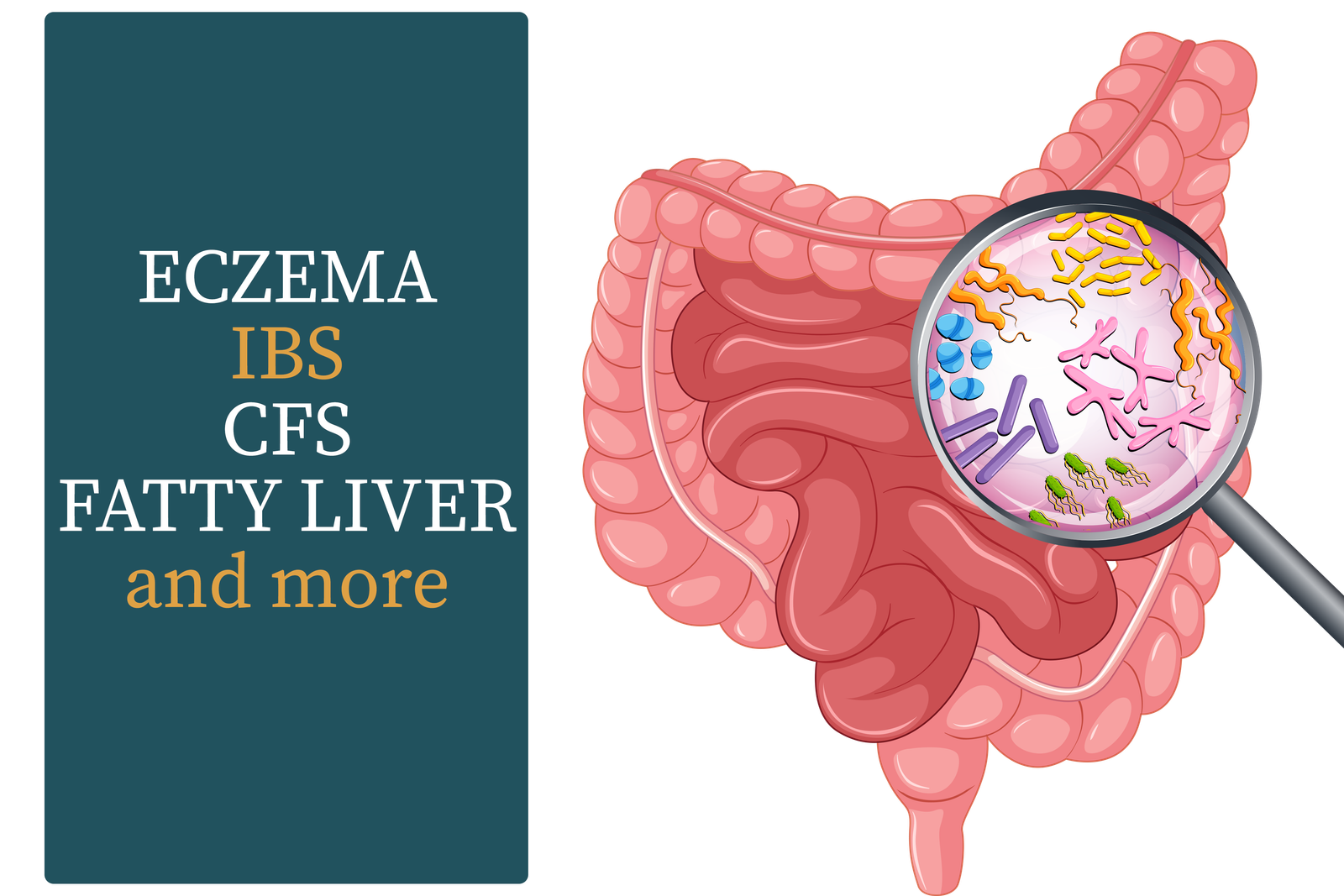
These are associations. They show that SIBO turns up more often in these conditions, not that it causes them. Links with celiac disease and autoimmune thyroid disease have also been described.8, 9 The thyroid connection is covered in hypothyroidism and SIBO.
What do hydrogen, methane and hydrogen sulfide results mean?
Each gas points to a different microbial group. A North American consensus counts a rise in hydrogen of 20 ppm or more within 90 minutes as positive, and methane of 10 ppm or more as methane-positive.2 Methane comes from archaea, not bacteria, so the current term for that pattern is intestinal methanogen overgrowth (IMO).1
Newer tests also measure hydrogen sulfide. In a nationwide study of more than 3,000 breath tests, hydrogen sulfide of 2 ppm or more was linked with more diarrhea, urgency and pain.10
| Gas | Positive result | Microbes usually involved | Typical bowel pattern |
|---|---|---|---|
| Hydrogen | Rise of 20 ppm or more within 90 minutes | Hydrogen producers such as Escherichia coli and Klebsiella | Diarrhea or mixed |
| Methane | 10 ppm or more at any point | Archaea, mainly Methanobrevibacter smithii | Constipation and slower transit |
| Hydrogen sulfide | 2 ppm or more in recent studies | Sulfide producers such as Desulfovibrio, Fusobacterium and Proteus mirabilis | Diarrhea, urgency and pain |
In duodenal fluid sequenced from people who had a breath test, higher breath hydrogen sulfide went with more sulfide producers, including Proteus mirabilis, and higher methane went with more M. smithii.5 Stool studies show the same split between IBS-C with methanogens and IBS-D with sulfide producers.4
So the gas gives a direction. It still does not say which organism is there, how much of it there is, or what it responds to. Two people with the same hydrogen curve can carry very different bacteria.
Which symptoms and risk factors point to SIBO?
Common SIBO symptoms are bloating, gas, belching, abdominal pain, diarrhea, constipation and sometimes itching. The chronic course can bring fatigue and a general sense of being unwell, and the unpredictable bowel pattern makes work and social life harder.
Risk rises whenever one of the small intestine's defenses weakens: stomach acid, bile, motility or the valve between the small and large intestine.
- Long-term proton pump inhibitors
- Diabetes with slow gut motility
- Constant snacking
- Gallbladder removal
- Low thyroid function
- A weak migrating motor complex


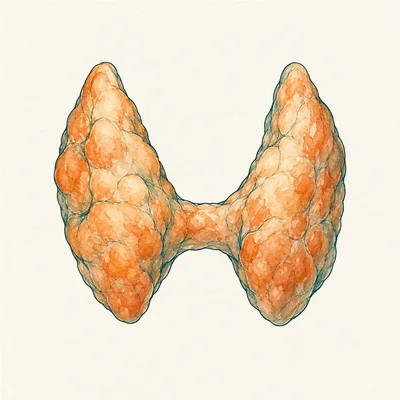
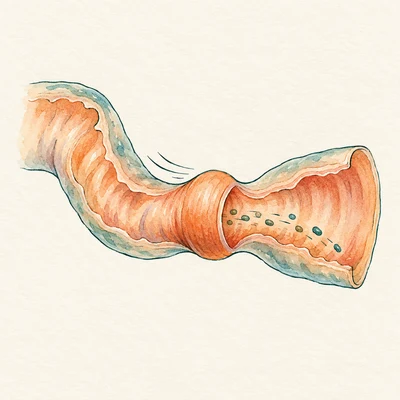
Each of these is explained in its own article: PPI-related SIBO, diabetes and the bowel, snacking and digestion, SIBO after gallbladder removal, hypothyroidism and SIBO and the migrating motor complex.
How accurate is the SIBO breath test?
The breath test is useful, but it misses many cases and gives no organism. In a study where 139 people had both tests within a week, culture of duodenal fluid was positive in 44.6% and the glucose breath test in 27.3%. The two agreed in 65.5% of people.3
Culture also shows that a true positive is less common than many expect. In a Mayo Clinic review of 675 duodenal cultures, only 8% met the criteria for SIBO, and older age, fatty stools, opioid use, inflammatory bowel disease, small bowel diverticula and pancreatitis were the linked factors.11
Glucose breath test against duodenal culture (%)
Erdogan 2015, 139 people who had both tests. PPV and NPV are positive and negative predictive values.
The choice of sugar matters too. In the nationwide study, lactulose gave a positive result in 27% of people and glucose in 7.3%, because glucose is absorbed early and may never reach overgrowth further down.10 A 2024 practice update endorsed by European and American motility societies concluded that breath tests are not reliable enough to carry a diagnosis on their own.12 Every limit of the breath test is listed in oregano oil for SIBO.
Why does naming the bacterium behind SIBO matter?
Knowing the organism changes the plan in five ways. The same gas result can come from bacteria with very different habits, and each habit has its own lever.
Sensitivity testing
A cultured organism can be tested against antibiotics and natural agents, so the choice is based on what it responds to. This matters most for natural agents that may be taken daily for longer periods.
The cause behind it
Oral bacteria such as Fusobacterium in the small intestine point toward the mouth and gums. Other organisms point toward food, medicines or a motility problem.
A diet that fits
Diet can follow the organism's preferences. Klebsiella grows on starch, and a lower-starch diet has been proposed in conditions linked with it.13
Probiotic choice
If a Lactobacillus is part of the overgrowth, adding more lactobacilli makes little sense. In one series, people with brain fog, bloating and probiotic use improved after stopping probiotics and a course of antibiotics.14
Supplements to avoid
Some supplements feed the organism. Proteus mirabilis needs excess glutamine to start swarming, its spreading behavior, so glutamine is a poor choice when Proteus is present.15
Which bacteria are most often behind SIBO?
Several organisms come up again and again in small intestinal fluid. Each causes trouble in its own way, which is why a single protocol for every case often falls short.
| Organism | Trait | Matched intervention |
|---|---|---|
| Escherichia coli | Endotoxin production that irritates the gut lining | Lower the endotoxin load and support the gut barrier |
| Klebsiella pneumoniae | High starch use | A lower-starch diet for a period13 |
| Enterococcus faecalis | Disruption of the community balance | An antimicrobial chosen by sensitivity testing |
| Lactobacillus species | Lactic acid production | A break from probiotics for at least two months |
| Proteus species | Swarming when glutamine is in excess | Avoiding glutamine supplements15 |
| Fusobacterium | Biofilm formation | Natural biofilm disruptors such as curcumin, with oral health checked |
More on the organisms in how to reduce Klebsiella naturally, Proteus mirabilis in stool and can glutamine cause diarrhea.
Can a stool test diagnose SIBO?
No. A stool test describes the colon's microbiome, not the small intestine's. The small intestine has far fewer bacteria and a different mix, and stool is shaped by transit time and by changes after the sample leaves the body. A high Desulfovibrio in stool may fit a sulfide pattern, but it does not prove overgrowth in the small intestine.
PCR-based stool tests also cannot tell live from dead bacteria, and they say little about how active the bacteria are. A sample from the duodenum is harder to get, but when a gastroscopy is planned anyway, a sample for culture and sequencing can be requested.
Duodenal aspirates from 140 people showed higher bacterial counts and a distinct 16S profile in culture-defined SIBO, with more Proteobacteria. That profile is invisible in stool.16
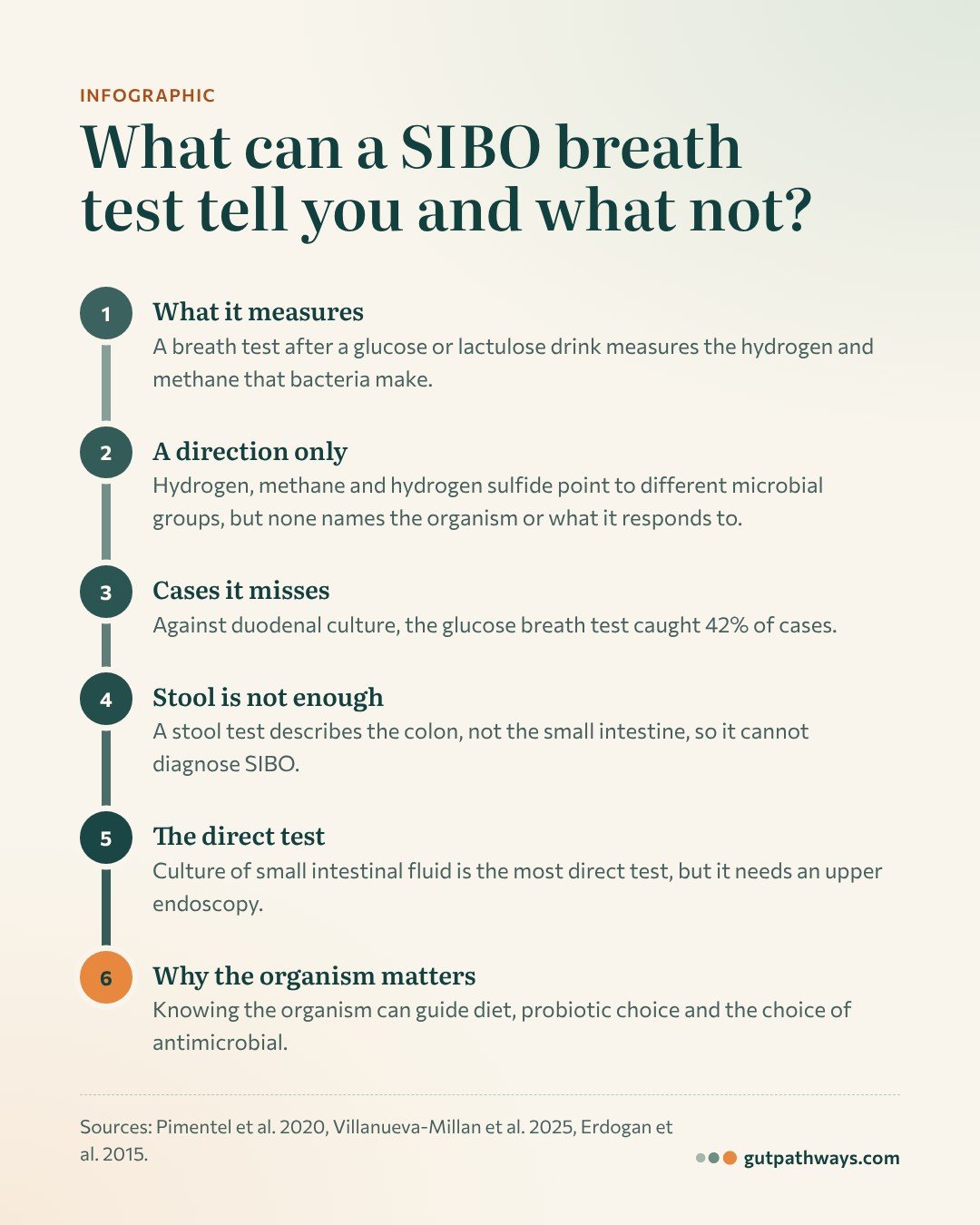
Infographic
What it measures
A breath test after a glucose or lactulose drink measures the hydrogen and methane that bacteria make.
A direction only
Hydrogen, methane and hydrogen sulfide point to different microbial groups, but none names the organism or what it responds to.
Cases it misses
Against duodenal culture, the glucose breath test caught 42% of cases.
Stool is not enough
A stool test describes the colon, not the small intestine, so it cannot diagnose SIBO.
The direct test
Culture of small intestinal fluid is the most direct test, but it needs an upper endoscopy.
Why the organism matters
Knowing the organism can guide diet, probiotic choice and the choice of antimicrobial.
Sources: Pimentel et al. 2020, Villanueva-Millan et al. 2025, Erdogan et al. 2015.
gutpathways.com
 Save this infographicImage 4:5, with sources, from gutpathways.com
How is SIBO treated once the bacterium is known?
Once the organism is known, the plan can be built around it. Antibiotics or natural agents are chosen by sensitivity testing, prokinetics support motility, and diet follows the organism: an elemental or low-FODMAP phase, a lower-starch diet or glutamine avoidance, depending on the finding. Meal timing and longer gaps between meals protect the migrating motor complex.
In the clinics where I work as a scientific collaborator, about 1 in 10 SIBO cases have duodenal aspirate data. Those patients benefit most, because the plan targets the organism instead of the gas. The rest are treated from breath tests, symptoms and history, with the limits of that approach in mind.
Real cases show how this works: SIBO success stories, SIBO with Hashimoto's thyroiditis, SIBO that mimicked celiac disease and SIBO after omeprazole.
Frequently asked questions
Home breath test kits exist, usually ordered through a clinician. You follow a preparation diet, fast overnight, drink the sugar solution and collect breath samples at set times. The result still needs to be read with your symptoms and history, because the test is indirect.
Yes. A general practitioner or gastroenterologist can order a breath test. Duodenal aspiration needs an upper endoscopy, so it is done by a gastroenterologist, often when a gastroscopy is planned anyway.
Bloating, gas, belching and abdominal discomfort after meals are usually the first signs, with diarrhea, constipation or both. Some people also notice itching, fatigue or brain fog.
The usual trigger is a weakened defense of the small intestine: slow motility, low stomach acid from long-term PPIs, changed anatomy after surgery, or conditions such as diabetes and low thyroid function. Constant snacking can add to it by keeping the gut's cleaning wave switched off.
There is no typical SIBO stool. Loose stools are common with hydrogen and hydrogen sulfide patterns, and harder, less frequent stools with methane. Pale, greasy or floating stools can mean fat malabsorption and are worth reporting to a doctor.
The main alternative is culture or sequencing of fluid taken from the small intestine during an upper endoscopy. Stool tests describe the colon and cannot diagnose SIBO.
References
16 studies
- Pimentel M, Saad RJ, Long MD, Rao SSC. ACG Clinical Guideline: Small Intestinal Bacterial Overgrowth. Am J Gastroenterol. 2020.
- Rezaie A, Buresi M, Lembo A, et al. Hydrogen and methane-based breath testing in gastrointestinal disorders: the North American Consensus. Am J Gastroenterol. 2017.
- Erdogan A, Rao SSC, Gulley D, et al. Small intestinal bacterial overgrowth: duodenal aspiration vs glucose breath test. Neurogastroenterol Motil. 2015.
- Villanueva-Millan MJ, Leite G, Wang J, et al. Methanogens and hydrogen sulfide producing bacteria guide distinct gut microbe profiles and irritable bowel syndrome subtypes. Am J Gastroenterol. 2022.
- Villanueva-Millan MJ, Leite G, Mathur R, et al. Hydrogen sulfide and methane on breath test correlate with human small intestinal hydrogen sulfide producers and methanogens. Dig Dis Sci. 2025.
- Pimentel M, Wallace D, Hallegua D, et al. A link between irritable bowel syndrome and fibromyalgia may be related to findings on lactulose breath testing. Ann Rheum Dis. 2004.
- Ghoshal UC, Baba CS, Ghoshal U, et al. Low-grade small intestinal bacterial overgrowth is common in patients with non-alcoholic steatohepatitis on quantitative jejunal aspirate culture. Indian J Gastroenterol. 2017.
- Rubio-Tapia A, Barton SH, Rosenblatt JE, Murray JA. Prevalence of small intestine bacterial overgrowth diagnosed by quantitative culture of intestinal aspirate in celiac disease. J Clin Gastroenterol. 2009.
- Ruscio M, Guard G, Piedrahita G, D'Adamo CR. The relationship between gastrointestinal health, micronutrient concentrations, and autoimmunity: a focus on the thyroid. Nutrients. 2022.
- Pimentel M, Leite G, Joo L, et al. Real-world study of three-gas breath testing nationwide and the association with symptoms. J Clin Gastroenterol. 2026.
- Choung RS, Ruff KC, Malhotra A, et al. Clinical predictors of small intestinal bacterial overgrowth by duodenal aspirate culture. Aliment Pharmacol Ther. 2011.
- Kashyap P, Moayyedi P, Quigley EMM, et al. Critical appraisal of the SIBO hypothesis and breath testing: a clinical practice update endorsed by ESNM and ANMS. Neurogastroenterol Motil. 2024.
- Rashid T, Wilson C, Ebringer A. The link between ankylosing spondylitis, Crohn's disease, Klebsiella, and starch consumption. Clin Dev Immunol. 2013.
- Rao SSC, Rehman A, Yu S, Andino NM. Brain fogginess, gas and bloating: a link between SIBO, probiotics and metabolic acidosis. Clin Transl Gastroenterol. 2018.
- Armbruster CE, Hodges SA, Mobley HLT. Initiation of swarming motility by Proteus mirabilis occurs in response to specific cues present in urine and requires excess L-glutamine. J Bacteriol. 2013.
- Leite G, Morales W, Weitsman S, et al. The duodenal microbiome is altered in small intestinal bacterial overgrowth. PLoS One. 2020.
Found this useful? Share it with someone who needs it.
Cite this article
Prevedoros, T. (2023, April 22). A breath test tells only half the truth about SIBO. Gut Pathways. https://gutpathways.com/articles/diagnosis-of-bacteria-cause-sibo/