An underactive thyroid can open the door to SIBO
When the thyroid slows down, the gut often slows with it. That is one reason hypothyroidism and SIBO show up together so often, and why treating one side alone rarely settles both.

How are hypothyroidism and SIBO connected?
You may have noticed that whenever your thyroid acts up, your gut reacts too. That is not an overreaction. Even small shifts in thyroid hormone levels can ripple through the digestive system, because the gut and the thyroid are in constant biochemical contact.6
In hypothyroidism, the fragile balance inside the small intestine often breaks down. This is when small intestinal bacterial overgrowth (SIBO) can appear: bacteria multiply in a part of the gut where they should stay scarce. The overgrowth then becomes a direct trigger for bloating, food sensitivities and unpredictable diarrhea or constipation.
SIBO is not rare in people with a thyroid condition. In fact, it is common, with 54% of people with a history of overt hypothyroidism testing positive, against 5% of controls.1 Yet many treatment plans never address it.
In the clinics where I work as a scientific collaborator, SIBO is often the missing piece in people with thyroid disease who cannot seem to stabilize, however carefully they eat or dose their thyroid medication.
Among 50 people with a history of overt hypothyroidism from autoimmune thyroiditis, 27 (54%) had a positive glucose breath test, against 2 of 40 controls (5%). Abdominal discomfort, flatulence and bloating were more common in the positive group and improved after rifaximin.1
What do the newest studies show about hypothyroidism and SIBO risk?
Newer data point the same way, and on a larger scale. In a 2026 study, SIBO was found in about 33% of people with hypothyroidism, against 15% of controls, based on duodenal aspirates. In a large health-records analysis, the 10-year risk of SIBO was 2.2 times higher with hypothyroidism and 2.4 times higher with autoimmune thyroiditis.2
However, that risk looked much lower in people taking levothyroxine. The same study also found Klebsiella species common in the small intestine of people with both hypothyroidism and SIBO.2
Relative 10-year risk of SIBO against matched controls
Wei 2026, health-records analysis. A risk of 1 means no difference.
The overlap appears even before overt disease. In early pregnancy, 56.7% of women with subclinical hypothyroidism tested positive for SIBO, against 31.6% of pregnant women with normal thyroid function. In the subclinical group, those with SIBO had a lower FT4 and a higher TSH than those without.7
So if you live with IBS-like symptoms, such as bloating, pain, diarrhea or irregular stools, and you also have hypothyroidism, the two may well be connected.
Mechanisms linking hypothyroidism and small intestinal bacterial overgrowth
The link between hypothyroidism and SIBO goes beyond theory. It is mechanical, neural and biochemical. To keep it simple, the mechanisms fall into three groups: motility, nerve and hormone signals, and biochemical feedback.

MMC, the gut cleaner
The MMC, the gut cleaner, is one mechanism of the thyroid and SIBO axis.
Vagus nerve malfunction
Vagus nerve malfunction is one mechanism of the thyroid and SIBO axis.
Liver and bile issues
Liver and bile issues are one mechanism of the thyroid and SIBO axis.
Microbial metabolites
Microbial metabolites are one mechanism of the thyroid and SIBO axis.
Inflammation
Inflammation is one mechanism of the thyroid and SIBO axis.
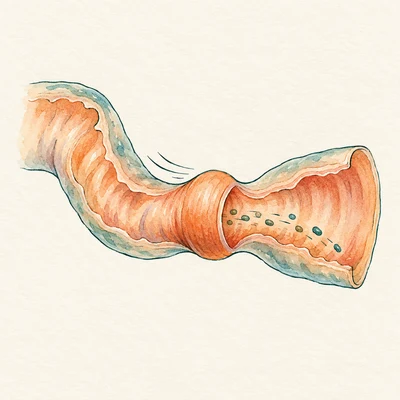
Motility
The migrating motor complex sweeps bacteria out of the small intestine between meals. A slow thyroid slows this sweep, and bacteria get time to settle.
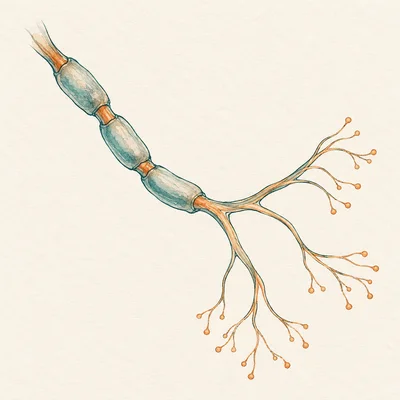
Nerves and motilin
The vagus nerve and the hormone motilin help start each sweep. When these signals weaken, the cleaning cycle stalls.
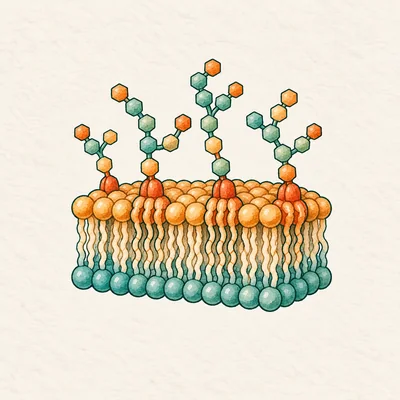
Microbial metabolites
Bacterial products such as LPS rise with gut dysbiosis and can feed back on thyroid function.
Motility: the MMC and bacterial clearance
Gut health relies heavily on the migrating motor complex, the gut's housekeeping team. When it works, it quietly sweeps debris and excess bacteria down the digestive tract between meals. However, it only runs when there is enough time between meals.
Constant grazing or snacking keeps switching it off. And when the MMC is switched off too often, bacteria take the chance to settle where they do not belong.4 Hypothyroidism itself slows gut motility, which is the main reason it predisposes to SIBO.3
Phase III sweeps of the MMC were far less frequent in people with IBS and an abnormal lactulose breath test than in healthy controls, and each sweep was shorter.4
In practice, many people unknowingly undercut their gut's natural cleaning cycles. Add gallbladder removal or long-term use of proton pump inhibitors (PPIs), and the motility problem gets bigger. Many of these people eventually develop SIBO, and some degree of hypothyroidism often sits in the background.
Nerves and thyroid health: the role of the vagus nerve and motilin
Next comes the vagus nerve, the main communication line between gut and brain. When its signal weakens, for example with chronic stress, poor sleep or drugs that block acetylcholine, gut motility suffers. In a randomized trial, atropine, one such drug, lengthened phase II of the MMC.8
Then there is motilin, a hormone released in the upper small intestine that starts the strong phase III contractions of the MMC.9 Bile is one of its triggers. In healthy people, each burst of gallbladder emptying between meals was followed by a steep rise in motilin, and bile acid receptors on the motilin cells stimulate its release directly.10, 11
After gallbladder removal, that timed pulse of bile is lost, so one of the signals behind motilin weakens. Motilin levels themselves have not been measured directly after the operation. However, the sweep is measurably slower and shorter, which affects how long bacteria stay in the small intestine.12
Biochemical feedback: bile acids, inflammation and microbial metabolites
Each digestive cycle releases bile acids. They help digest fats, but they are also irritating to the gut lining if they linger. One working model is that, without a functioning MMC, the lining does not get the quiet time it needs to repair, and low-grade inflammation helps SIBO settle in. This model has not yet been tested directly.
What is more, gut dysbiosis in primary hypothyroidism comes with higher blood levels of LPS, a bacterial product. In mice, stool from people with hypothyroidism lowered total thyroxine.6 This creates a loop: hypothyroidism slows motility and digestion, which favors SIBO, and the microbial changes in turn feed back on thyroid function.6, 3
In practice, this is where the root cause of persistent symptoms often hides: less in the lab results than in the interactions between gut bacteria and hormones.
SIBO and your thyroid: how SIBO affects levothyroxine
If thyroid function is low, the gut slows down. When the gut slows down, SIBO can appear. And once SIBO is present, it can interfere with how well levothyroxine tablets are absorbed. Even a correct dose may then not do its job.5
Among 75 people with hypothyroidism and IBS, 65.3% had SIBO. Switching from levothyroxine tablets to a liquid form at the same dose normalized TSH more often (77.6% against 57.1%) and improved IBS and thyroid symptoms.5
The picture is not uniform, though. In the earlier study, clearing SIBO with rifaximin improved gut symptoms but did not change thyroid hormone levels.1 So the effect on medication seems to depend on the person, the form of levothyroxine and the gut picture.
There is also a wider effect. An overgrowth can let more bacterial products such as LPS reach the bloodstream, and from there they travel to every system in the body as inflammatory messengers. In primary hypothyroidism, higher blood LPS has already been shown.6 That is why fixing only the gut, or only the thyroid, often leaves people still bloated, tired or foggy. Real progress usually comes when both ends of the axis are addressed. You cannot fix the plumbing if the water supply is broken, and the reverse holds too.
SIBO and hypothyroidism case study: Colin's case
Colin's story, a real case from practice, shows why treating the thyroid and the gut together matters.
Colin: SIBO with hypothyroidism
Colin felt he had tried everything. He was on long-term thyroid medication and ate what he thought was a clean diet, yet his bloating, fatigue and IBS-like symptoms would not quit.
- The starting point
His lab results were unpredictable and his digestion sluggish. Some days were fine, most were frustrating, and he began to wonder if it was all in his head.
- The test
A SIBO breath test showed a classic overgrowth pattern, with gas production matching his symptoms.
- What was added
Antibiotics alone were not enough. Meal spacing, vagus nerve stimulation, a consistent diet and a few stress practices were added to support the gut-thyroid axis.
- The result
Once the SIBO and the thyroid condition were addressed together, his thyroid levels stabilized, the bloating and intermittent diarrhea eased a lot, and he felt like himself again, steadily rather than overnight.
Colin's case is one example. What made the difference was treating both systems together, because they never stopped working together.
What are the SIBO treatment options with hypothyroidism?
Once the connection is clear, the next question is what to do. Below are the options that come up most often, with what the studies show. Each one is worth discussing with your doctor, ideally with both the thyroid and the gut in view.
Probiotics: won't they make SIBO worse?
This question comes up constantly. People worry that probiotics will feed the bacteria in the small intestine and make SIBO worse. The research, however, points the other way.
In a meta-analysis, probiotics cleared SIBO in a pooled 62.8% of patients, and the clearance rate was higher than without probiotics. In its subgroups, clearance was about 53.5% with probiotics alone and about 85.5% when probiotics were combined with antibiotics. Probiotics also lowered hydrogen levels and abdominal pain, although they did not prevent SIBO.13 In pregnant women with subclinical hypothyroidism and SIBO, probiotics plus prebiotics for 21 days lowered methane positivity, gut symptoms and TSH.14
In practice, the blend that comes up most combines Bifidobacterium infantis, Lactobacillus acidophilus, Enterococcus faecalis and Bacillus cereus. It is the same four-strain mix used in the pregnancy study above, and it is meant to calm immune reactivity and support the gut barrier without feeding overgrowth in the wrong place.14
Timing matters: no more late-night meals
Your gut keeps a schedule, and eating late throws it off. A meal pauses the MMC and the motilin cycle that drives it, so snacking late or eating dinner at 10 pm leaves the gut's natural cleaning cycles little chance to run.16
That is why a common first step is a longer overnight fast of about 12 hours, for example no food after 8 pm. In practice, this change alone often improves bloating and gas in people with hypothyroidism. More on this in is snacking bad for digestion.
Medical treatment of SIBO
SIBO can lower the absorption of thyroid medication.5 If the levothyroxine dose keeps creeping up, the reason may not be a worsening thyroid. Inflammation and overgrowth in the small intestine may be limiting absorption.
When symptoms are severe, doctors often use rifaximin, an antibiotic that acts mainly in the gut.17 In people with hypothyroidism, a one-week course cleared SIBO in many and improved gut symptoms.1 Antibiotics alone, however, will not keep SIBO from coming back. The environment that allowed the overgrowth has to change too.
That is where the rest comes in: MMC support, meal timing, stress support and probiotics. They are not optional extras. They decide whether the result lasts. A structured approach is described in how to treat gut dysbiosis in the right order.
Consistent eating patterns, beyond the low-FODMAP diet
Diet matters, but it is not all about restriction. Many people with SIBO benefit from a low-FODMAP diet for a while, yet consistency tends to matter more than perfection.
Radical diet changes every few weeks can unsettle the microbiome and stall progress. Gut bacteria do well with routine. Keeping a rhythm, in what you eat and when you eat it, supports the MMC, steadies blood sugar and favors a balanced gut flora.
Food is not the only factor, though. The nervous system, sleep and emotional stress also affect both the gut and thyroid health. Structured meal times, restorative sleep and simple tools such as diaphragmatic breathing or vagal tone exercises can make the difference between relapse and recovery, as Colin's story shows.
Conclusion: treat the gut and the thyroid together
Colin's story may sound a lot like yours, and it is not unique. Many people spend years treating symptoms of IBS, hypothyroidism, anxiety or bloating without realizing that their thyroid and gut are caught in the same loop.
SIBO is more than a nuisance. Left alone, it can interfere with levothyroxine absorption, mimic or worsen IBS, raise inflammation and lead to unnecessary dose increases. On the other side, hypothyroidism can directly cause the slow motility that lets SIBO develop.3, 5
The way forward is to treat the gut and the thyroid at the same time: address the root cause, support motility, rebuild the MMC, support vagal tone, adjust meal timing, consider evidence-based probiotics and, when needed, use medicines such as rifaximin with a long-term plan in place.
SIBO can be stubborn, but it is not unbeatable, especially when the gut-thyroid axis is treated as the two-way system it is.
Frequently asked questions
Hypothyroidism slows gut motility, including the migrating motor complex, which lets bacteria linger and overgrow in the small intestine.3 The link runs both ways, because microbial changes and products such as LPS can feed back on thyroid function.6 About 54% of people with a history of overt hypothyroidism had SIBO in one study, and 56.7% of pregnant women with subclinical hypothyroidism tested positive in another.1, 7
Hypothyroidism more often slows the bowels and causes constipation. Diarrhea can still appear, and one common reason is SIBO, which is linked with hypothyroidism and causes bloating, gas and loose or irregular stools.1, 3 New diarrhea with a thyroid condition is worth checking with a doctor, including for SIBO.
Yes. In a large records analysis, people with autoimmune thyroiditis, the group that includes Hashimoto's, had a 2.4 times higher 10-year risk of SIBO than matched controls, and the risk looked lower with levothyroxine.2 The patients in the first study linking hypothyroidism with SIBO also had autoimmune thyroiditis.1
Not according to the pooled data. In a meta-analysis, probiotics cleared SIBO in about 63% of patients, about 86% when combined with antibiotics, and lowered hydrogen and abdominal pain.13 Strain choice still matters, so it is best decided with your doctor.
Leave real gaps between meals, avoid late-night eating and aim for an overnight fast of about 12 hours. Supporting vagal tone, sleep and stress management also helps. Gallbladder removal or long-term PPIs can weaken motility and raise the risk of SIBO, so meal timing and lifestyle matter even more then.4, 12
Both are treated together. Depending on severity, options include rifaximin, a probiotic regimen, structured meal spacing, vagal tone work and consistent eating patterns.1, 13 Getting the thyroid dose right, and checking whether the tablet form absorbs well, alongside gut treatment tends to improve results and reduce relapse.5
References
17 studies
- Lauritano EC, Bilotta AL, Gabrielli M, et al. Association between hypothyroidism and small intestinal bacterial overgrowth. J Clin Endocrinol Metab. 2007.
- Wei M, Mehravar S, Leite G, et al. Relationship between hypothyroidism, risk of small intestinal bacterial overgrowth, and duodenal microbiome alterations. J Clin Endocrinol Metab. 2026.
- Patil AD. Link between hypothyroidism and small intestinal bacterial overgrowth. Indian J Endocrinol Metab. 2014.
- Pimentel M, Soffer EE, Chow EJ, et al. Lower frequency of MMC is found in IBS subjects with abnormal lactulose breath test, suggesting bacterial overgrowth. Dig Dis Sci. 2002.
- Henderson BB, Smith SP, Mengelkamp ME, et al. Liquid thyroxine improves outcomes in hypothyroid patients with small intestinal bacterial overgrowth and irritable bowel syndrome. Endocr Pract. 2024.
- Su X, Zhao Y, Li Y, et al. Gut dysbiosis is associated with primary hypothyroidism with interaction on gut-thyroid axis. Clin Sci (Lond). 2020.
- Wang B, Xu Y, Hou X, et al. Small intestinal bacterial overgrowth in subclinical hypothyroidism of pregnant women. Front Endocrinol (Lausanne). 2021.
- Halim MA, Gillberg L, Boghus S, et al. Nitric oxide regulation of migrating motor complex: randomized trial of N(G)-monomethyl-L-arginine effects in relation to muscarinic and serotonergic receptor blockade. Acta Physiol (Oxf). 2015.
- Deloose E, Tack J. Redefining the functional roles of the gastrointestinal migrating motor complex and motilin in small bacterial overgrowth and hunger signaling. Am J Physiol Gastrointest Liver Physiol. 2016.
- Qvist N, Oster-Jørgensen E, Pedersen SA, et al. Increases in plasma motilin follow each episode of gallbladder emptying during the interdigestive period, and changes in serum bile acid concentration correlate to plasma motilin. Scand J Gastroenterol. 1995.
- Miedzybrodzka EL, Foreman RE, Lu VB, et al. Stimulation of motilin secretion by bile, free fatty acids, and acidification in human duodenal organoids. Mol Metab. 2021.
- Perdikis G, Wilson P, Hinder R, et al. Altered antroduodenal motility after cholecystectomy. Am J Surg. 1994.
- Zhong C, Qu C, Wang B, et al. Probiotics for preventing and treating small intestinal bacterial overgrowth: a meta-analysis and systematic review of current evidence. J Clin Gastroenterol. 2017.
- Ouyang Q, Xu Y, Ban Y, et al. Probiotics and prebiotics in subclinical hypothyroidism of pregnancy with small intestinal bacterial overgrowth. Probiotics Antimicrob Proteins. 2024.
- Cui Y, Märtlbauer E, Dietrich R, et al. Multifaceted toxin profile, an approach toward a better understanding of probiotic Bacillus cereus. Crit Rev Toxicol. 2019.
- Deloose E, Janssen P, Depoortere I, et al. The migrating motor complex: control mechanisms and its role in health and disease. Nat Rev Gastroenterol Hepatol. 2012.
- Pimentel M, Saad RJ, Long MD, Rao SSC. ACG Clinical Guideline: Small Intestinal Bacterial Overgrowth. Am J Gastroenterol. 2020.
Found this useful? Share it with someone who needs it.
Cite this article
Prevedoros, T. (2025, March 31). An underactive thyroid can open the door to SIBO. Gut Pathways. https://gutpathways.com/articles/hypothyroidism-and-sibo/