Why intestinal permeability rises during infection and sometimes stays high
A gut infection opens the gaps between the cells of your intestinal lining, and that opening helps your body fight back. Trouble starts when the gaps stay open long after the infection is gone, a pattern often seen in post-infectious IBS.

Is intestinal permeability a bad thing after all?
Have you ever felt that a stomach bug from six months ago never ended? If so, you may be dealing with post-infectious irritable bowel syndrome (IBS). This condition is closely linked to a persistent rise in intestinal permeability, the state many people call "leaky gut".
Intestinal permeability itself is not a disease. It describes how easily water, ions and molecules cross the lining of your gut. In other words, every healthy gut is permeable to some degree, and that degree changes with meals, stress, exercise and infection.8
- Intestinal permeability
- How easily substances cross the single layer of cells that lines your intestine. It is controlled mainly by tight junctions, the protein seals between neighboring cells.
What is leaky gut?
Leaky gut, also called "leaky gut syndrome", describes a state where the tight junctions in the intestinal wall become compromised. As a result, harmful substances such as bacterial products and toxins may pass into the bloodstream. This altered intestinal permeability may contribute to several health issues, including gastrointestinal disorders, autoimmune diseases and inflammation.9
It helps to be precise here. Increased intestinal permeability can be measured, for example with sugar tests in urine. By contrast, "leaky gut syndrome" is not an accepted medical diagnosis, and scientists are still working out when higher permeability causes symptoms and when it follows them.8
Leaky gut is a made-up condition.
Increased intestinal permeability is real and measurable. The unproven part is the idea that it is one single disease behind a long list of symptoms.
Why does the gut barrier open during an infection?
During an infection, increased intestinal permeability can be useful in several ways. To begin with, the immune response gets stronger, because more immune cells and signals reach the site of infection. This matters most in gastroenteritis, where harmful bacteria or viruses sit inside the gut itself.
In mice, an infection with the bacterium Citrobacter rodentium raised the immune signal IL-22. IL-22 then switched on claudin-2, a tight junction protein that forms channels for water. The extra water flow produced diarrhea and helped flush the bacteria out, and mice that could not raise claudin-2 cleared the infection more slowly.1 By opening the barrier for a while, the body mounts a stronger and more targeted response to remove the infectious agent. In the best case, this helps restore gut health and prevents chronic inflammation.
- A pathogen reaches the gut
Bacteria, viruses or parasites irritate the lining.
- Immune signals rise
Cytokines such as IL-22, TNF and interferon gamma are released.
- Tight junctions loosen
Claudin-2 water channels increase and the seals between cells relax.
- Water and immune cells flow
Diarrhea flushes the gut and more immune cells reach the lining.
- The pathogen is cleared
The signals fade and the barrier usually closes again.
A simplified chain, based mostly on animal studies. In most people the barrier closes again after recovery.
- Tight junctionsProtein seals such as claudins, occludin and zonula occludens-1 hold neighboring cells tightly togetherThe seals loosen and claudin-2 water channels increase
- What passesWater, ions and small molecules cross in controlled amountsMore water flows into the gut, and bacterial products and toxins may cross the lining
- Immune signalsQuiet, steady background activityCytokines such as IL-22, TNF and interferon gamma rise
- Immune cellsFew immune cells at the liningMore immune cells and signals reach the site of infection
- What you feelNormal digestionDiarrhea that helps flush the pathogen out
A simplified picture, based partly on animal studies. In most people the barrier closes again after recovery.2, 1
Mechanisms and mediators of increased intestinal permeability
Tight junction proteins, such as claudins, occludin and zonula occludens-1, keep the intestinal barrier intact. They act as a seal between the cells of the intestinal lining. When these tight junctions are disrupted, the result is intestinal hyperpermeability, or leaky gut. Several factors can contribute to this disruption, including inflammation, stress and imbalances in the gut microbiota.2

Immune signals
Cytokines released during inflammation loosen tight junctions directly.
Stress
Stress hormones activate mast cells in the gut wall, and the barrier opens.
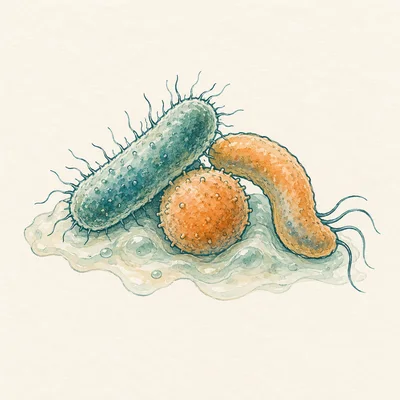
Gut bacteria imbalance
Dysbiosis changes the signals that keep tight junctions sealed.
Inflammatory mediators, such as cytokines and zonulin, shape barrier function. Zonulin is a protein that modulates tight junctions between cells. These mediators can increase the permeability of the gut lining and let harmful substances cross into the bloodstream. In turn, this can trigger a cascade of immune responses and contribute to chronic inflammation, which may take part in several chronic diseases.9
How is leaky gut linked to post-infectious IBS?
When increased intestinal permeability persists after the infection ends
In the best case, the gut barrier returns to normal once an infection resolves. In some cases, however, increased permeability persists and may help drive post-infectious IBS. This chronic condition can cause a wide range of gastrointestinal symptoms, including abdominal pain, bloating, diarrhea and constipation.11
The risk is not small. A 2017 meta-analysis of 45 studies and more than 21,000 people found that 10.1% had IBS 12 months after infectious enteritis, and the risk of IBS was about four times higher than in people without such an infection.5
The connection between leaky gut and post-infectious IBS
Studies show that people with post-infectious IBS often have signs of increased intestinal permeability. After Campylobacter enteritis, gut permeability was still raised at 12 weeks, and some changes in the gut lining were still present after one year.3 In a second study, the upper small intestine was more permeable in post-infectious IBS than in constipation-predominant IBS or in healthy people.4
This persistent rise in permeability after the infection resolves can contribute to ongoing inflammation and to imbalances in the gut microbiota. In addition, a compromised gut barrier lets harmful substances keep crossing, which can activate the immune system and worsen IBS symptoms.12 Even so, permeability is not raised in everyone with IBS after an outbreak, and in a large Canadian study it tracked IBS symptoms whether or not people had been ill during the outbreak.13
| Study | Who was tested | What was found |
|---|---|---|
| Spiller 2000 | 21 people after Campylobacter enteritis | Permeability still raised at 12 weeks |
| Dunlop 2006 | 15 people with post-infectious IBS-D | Upper small intestine more permeable than in controls |
| Marshall 2004 | 218 people two years after the Walkerton outbreak | Subtle rise in permeability linked to IBS symptoms |
Why does intestinal permeability not fully recover after infection?
Several lifestyle habits may hinder the recovery of intestinal permeability after an infection. Poor food choices are one of them. Processed foods and a diet high in sugar and unhealthy fats can feed inflammation and harm gut health. A 2026 review listed excess glucose, fructose, fat, omega-6 fatty acids, salt, alcohol and food additives as the main dietary factors that compromise the barrier.14
Late-night eating is another habit. It can disrupt the natural circadian rhythm of the digestive system and may lead to less efficient absorption and a weaker gut barrier. In mice, a disrupted body clock increased intestinal permeability.15 In addition, poor sleep quality can impair the body's ability to heal, repair and restore the intestinal lining.
Biological explanations for the impact of these habits
The harm these habits do to barrier recovery can be traced to several biological factors. Chronic inflammation, driven by an unhealthy diet and a disrupted circadian rhythm, can keep permeability high and upset the balance of the gut microbiota. Imbalanced gut bacteria are linked with several gastrointestinal disorders, including irritable bowel syndrome (IBS) and inflammatory bowel disease (IBD). Poor sleep, in turn, can weaken the immune response, which makes it harder for the body to clear lingering pathogens and fully restore gut integrity.16
Other factors that keep the gut barrier open
Chronic stress releases stress hormones that act on the intestinal barrier. In healthy volunteers, public speaking stress raised small intestinal permeability, and a drug that stabilizes mast cells blocked the effect.17 Stress can also alter the gut microbiota, which makes it harder to bring permeability back to its best state. It may also raise sensitivity to common food allergens, such as milk proteins and soy. Read more on mast cells and the IBS gut barrier.
Exposure to environmental toxins, such as pesticides, heavy metals and pollutants, may damage the intestinal lining and add to symptoms linked with intestinal permeability. These toxins may act directly on the tight junctions, raise permeability and let harmful substances enter the bloodstream.
Some people may have a genetic tendency toward leaky gut, or toward slower recovery of permeability after an infection. Higher zonulin and higher permeability have been found in people with type 1 diabetes and in their relatives, and celiac disease is the best known example.18, 9 In chronic fatigue syndrome, raised antibody responses to gut bacteria suggest that bacterial products cross the barrier more often.19 Other genes may also shape the proteins of barrier function, the immune response and the inflammatory cascade.
Infographic
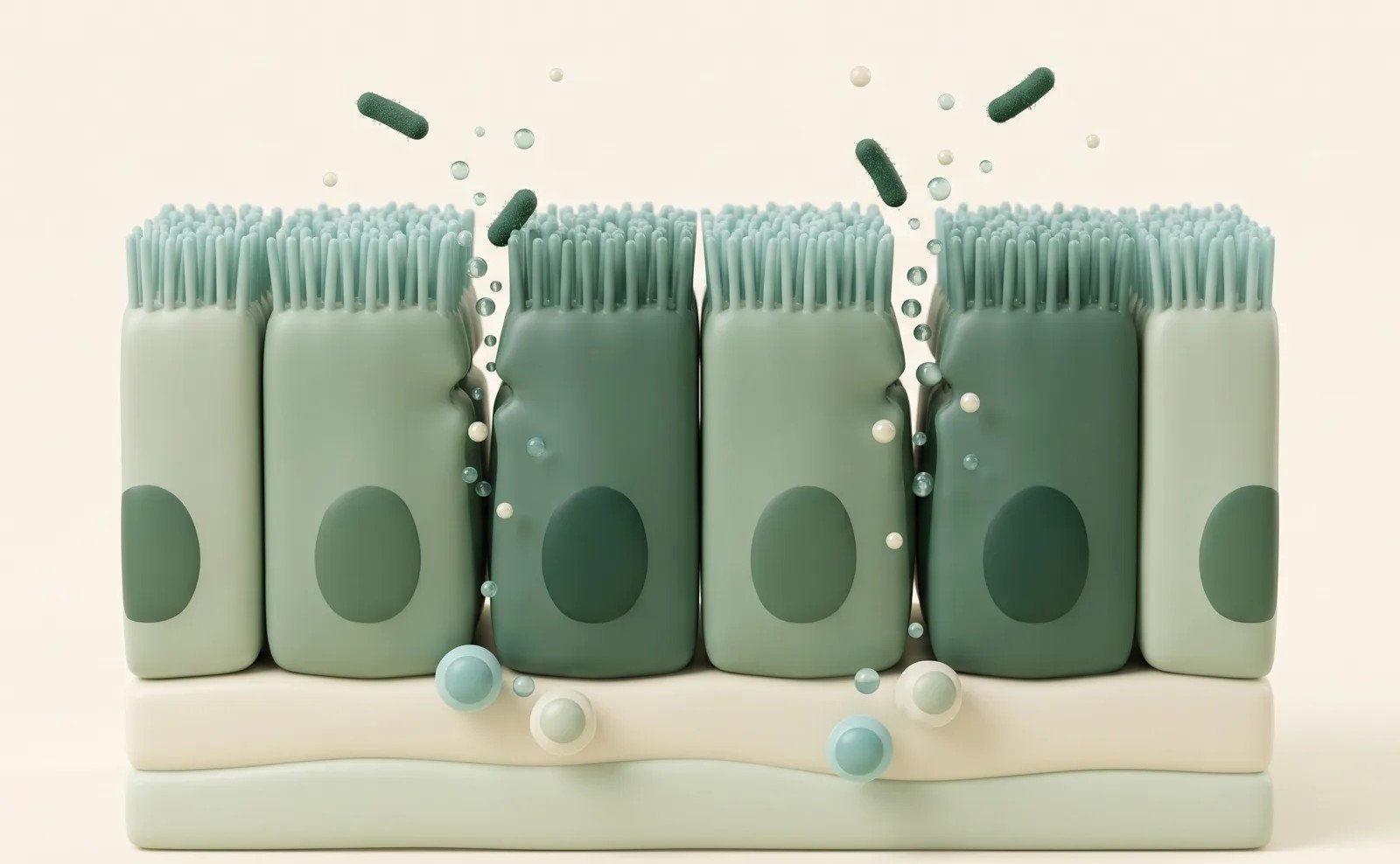
Seals loosen
During an infection, the tight junctions between lining cells loosen.
The pathogen is flushed out
Water and immune signals pass through the gaps and help flush the pathogen out.
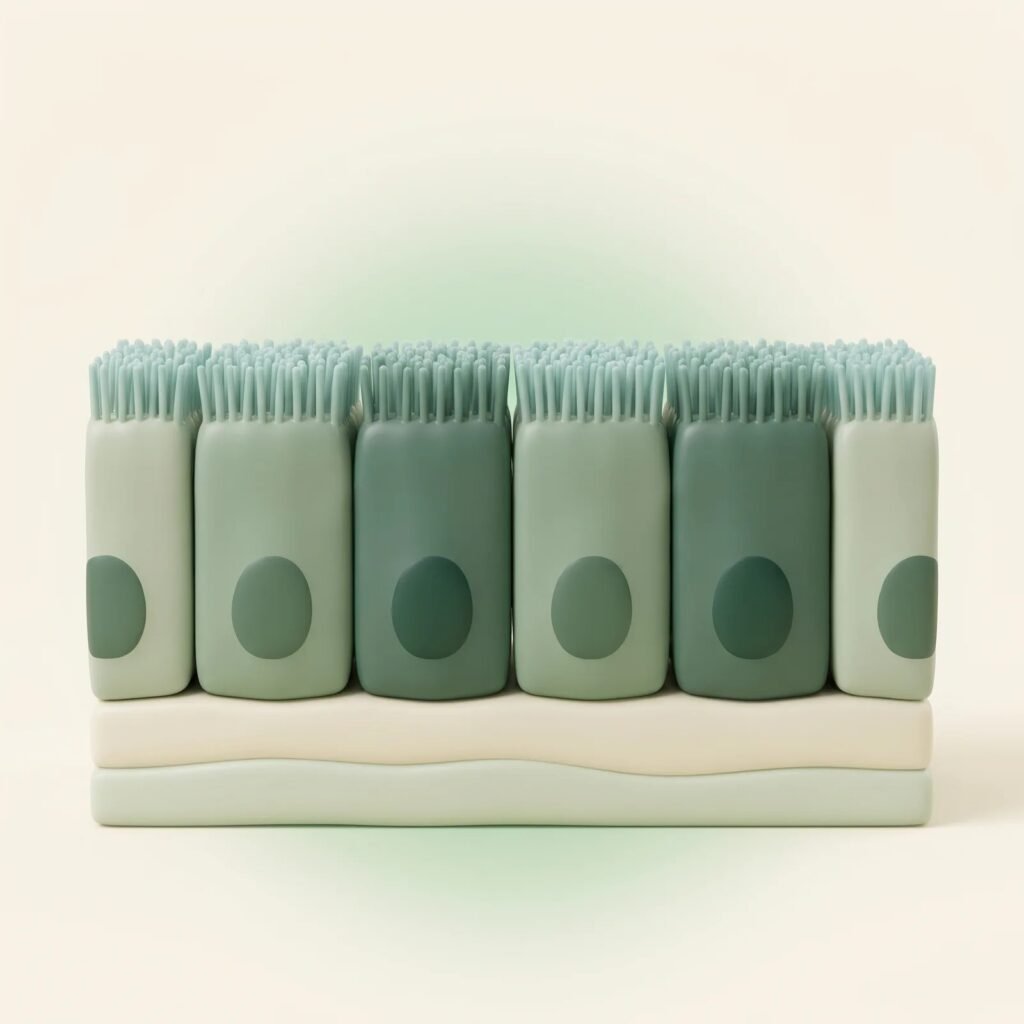
Most people
The barrier closes again
In most people the barrier closes again after recovery.
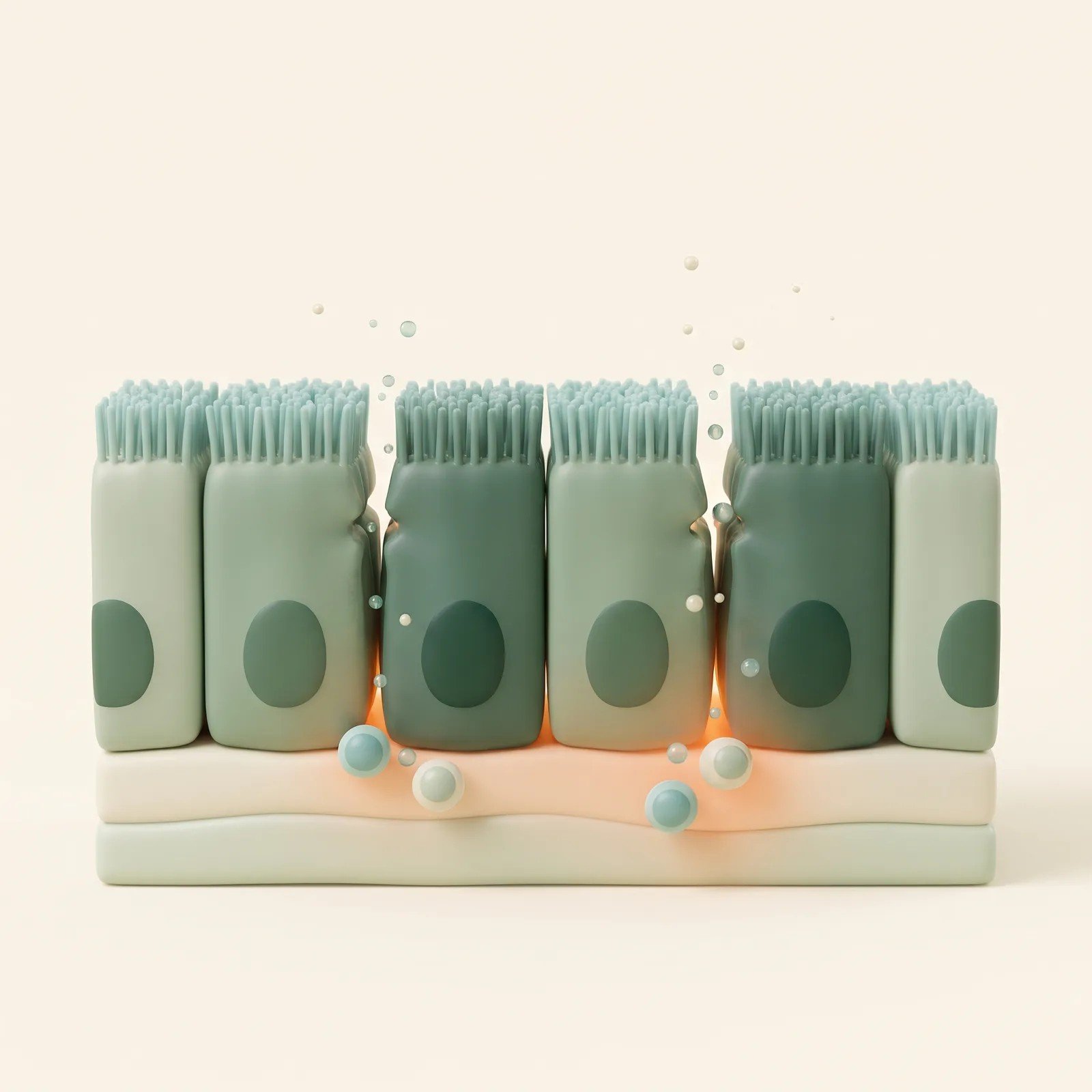
Some people
It stays open
Permeability stays raised for months, and this has been linked with post-infectious IBS.
About 1 in 10 people had IBS 12 months after infectious enteritis.
May slow recovery: processed foods, a diet high in sugar and unhealthy fats, late-night eating and poor sleep.
Sources: Tsai et al. 2017, Spiller et al. 2000, Klem et al. 2017, Granizo Bermejo et al. 2026.
gutpathways.com
 Save this infographicImage 4:5, with sources, from gutpathways.com
What helps the gut barrier recover after post-infectious IBS?
None of the steps below is a treatment plan, and each person's recovery differs. They are the main levers that research and practice point to. Read more on post-infectious IBS recovery time and on treatment options by mechanism.
Probiotics during and after the infection
Probiotics may support the immune system and help keep the gut microbiota in balance during and after an infection. In healthy volunteers, Lactobacillus plantarum placed in the duodenum moved tight junction proteins closer to the seal between cells.20 In practice, probiotics are usually continued for at least one week after the infection resolves, to support recovery of the barrier.
Avoid vigorous exercise for at least 7 days after recovery
Hard exercise raises gut permeability for a while. One hour of cycling at high intensity reduced blood flow to the gut and increased small intestinal permeability in healthy men.21, 22 Resting from vigorous exercise for about a week after the infection lets the body recover. Gentle activity, such as walking or yoga, can help with stress during recovery. Later on, regular moderate exercise may help, as the 2026 study below shows.
Glutamine, with one exception
Glutamine is an amino acid that supports the intestinal lining and immune function. In a 2019 randomized trial in post-infectious IBS-D with high permeability, 79.6% of people on glutamine improved, compared with 5.8% on placebo, and permeability returned to normal.6 However, glutamine should be avoided if a Proteus urinary tract infection is suspected, because it may worsen it. Read why glutamine can cause diarrhea in the Proteus pattern.
Liquid dinners for at least 7 days after the infection
Liquid dinners, such as soups, for at least seven days after an infection may ease digestion and help absorption. Liquid meals are simpler for the gut to break down, which reduces the load on it while it heals. Soups can also supply nutrients needed for tissue repair and immune function.
Zinc for at least a month after the infection
Zinc supports immune function, tissue repair and the control of inflammation. In 12 people with Crohn's disease in remission, eight weeks of zinc supplements brought raised permeability back to normal in most of them.23 Zinc for at least a month after an infection may therefore help the gut lining heal. A 2026 trial in IBS found that zinc, alone or with a probiotic, raised blood zinc and lowered oxidative stress markers.24
Chamomile and ginger tea in the afternoon
Chamomile and ginger tea may soothe the digestive system and have anti-inflammatory properties. Drinking them in the afternoon may ease gastrointestinal discomfort and support the recovery of the barrier.
In a 2026 study, 16 weeks of supervised exercise lowered lactulose excretion, the lactulose to mannitol ratio and zonulin in people with both fibromyalgia and IBS. In people with IBS alone, symptom scores fell by about 86 points.7
Is leaky gut a cause or a symptom?
As a scientific collaborator with medical practices, I often see people treat intestinal permeability as a disease in itself, instead of looking at what drives it. Increased intestinal permeability is a sign of a wider imbalance, not the root problem. It is normal for tight junction gaps to widen during an infection. Even so, finding out why permeability stays high after the infection resolves matters, because it can prevent long-term symptoms, especially in post-infectious IBS.
Permeability that rises during an infection is defense. Permeability that stays high months later is a question worth asking.
The intestinal lining renews itself every few days, which is why the barrier can recover once the drivers behind it change.25 In practice, the same pattern often sits next to low secretory IgA, the antibody that guards the mucus layer above the barrier. Read how to increase secretory IgA naturally.
Frequently asked questions
Increased intestinal permeability is real and can be measured with sugar tests. "Leaky gut syndrome", however, is not an accepted diagnosis, and it is still unclear when higher permeability causes symptoms and when it follows them.8
There is no fixed list of five signs. Bloating, diarrhea, abdominal pain, food reactions and fatigue are often mentioned, but they overlap with IBS and many other conditions, so they cannot confirm a leaky gut.
In most people the barrier closes within weeks. After Campylobacter enteritis, however, permeability was still raised at 12 weeks, and some lining changes lasted more than a year.3
Some strains may help. Lactobacillus plantarum strengthened tight junction proteins in healthy volunteers, but results depend on the strain and the person.20
In one randomized trial in post-infectious IBS-D with high permeability, glutamine improved symptoms in 79.6% of people, compared with 5.8% on placebo, and permeability returned to normal. Larger trials are still needed.6
The exact figure is debated, but the gut does host the largest share of the body's immune cells and makes several grams of IgA antibody every day.26
References
26 studies
- Tsai PY, Zhang B, He WQ, et al. IL-22 upregulates epithelial claudin-2 to drive diarrhea and enteric pathogen clearance. Cell Host Microbe. 2017.
- Turner JR. Intestinal mucosal barrier function in health and disease. Nat Rev Immunol. 2009.
- Spiller RC, Jenkins D, Thornley JP, et al. Increased rectal mucosal enteroendocrine cells, T lymphocytes, and increased gut permeability following acute Campylobacter enteritis and in post-dysenteric irritable bowel syndrome. Gut. 2000.
- Dunlop SP, Hebden J, Campbell E, et al. Abnormal intestinal permeability in subgroups of diarrhea-predominant irritable bowel syndromes. Am J Gastroenterol. 2006.
- Klem F, Wadhwa A, Prokop LJ, et al. Prevalence, risk factors, and outcomes of irritable bowel syndrome after infectious enteritis: a systematic review and meta-analysis. Gastroenterology. 2017.
- Zhou Q, Verne ML, Fields JZ, et al. Randomised placebo-controlled trial of dietary glutamine supplements for postinfectious irritable bowel syndrome. Gut. 2019.
- Bianco A, Russo F, Prospero L, et al. Divergent intestinal barrier and neuroimmune responses to supervised exercise across fibromyalgia, irritable bowel syndrome, and their comorbidity phenotypes: a prospective interventional study. Front Physiol. 2026.
- Camilleri M. Leaky gut: mechanisms, measurement and clinical implications in humans. Gut. 2019.
- Fasano A. Zonulin and its regulation of intestinal barrier function: the biological door to inflammation, autoimmunity, and cancer. Physiol Rev. 2011.
- Scheffler L, Crane A, Heyne H, et al. Widely used commercial ELISA does not detect precursor of haptoglobin2, but recognizes properdin as a potential second member of the zonulin family. Front Endocrinol (Lausanne). 2018.
- Thabane M, Marshall JK. Post-infectious irritable bowel syndrome. World J Gastroenterol. 2009.
- Piche T. Tight junctions and IBS, the link between epithelial permeability, low-grade inflammation, and symptom generation? Neurogastroenterol Motil. 2014.
- Marshall JK, Thabane M, Garg AX, et al. Intestinal permeability in patients with irritable bowel syndrome after a waterborne outbreak of acute gastroenteritis in Walkerton, Ontario. Aliment Pharmacol Ther. 2004.
- Granizo Bermejo D, García-Pérez-de-Sevilla G, Molina-López A. Intestinal permeability and the zonulin pathway: tight junctions, mucosal immunity, dietary modulators and clinical relevance. Front Nutr. 2026.
- Summa KC, Voigt RM, Forsyth CB, et al. Disruption of the circadian clock in mice increases intestinal permeability and promotes alcohol-induced hepatic pathology and inflammation. PLoS One. 2013.
- Hall EH, Crowe SE. Environmental and lifestyle influences on disorders of the large and small intestine: implications for treatment. Dig Dis. 2011.
- Vanuytsel T, van Wanrooy S, Vanheel H, et al. Psychological stress and corticotropin-releasing hormone increase intestinal permeability in humans by a mast cell-dependent mechanism. Gut. 2014.
- Sapone A, de Magistris L, Pietzak M, et al. Zonulin upregulation is associated with increased gut permeability in subjects with type 1 diabetes and their relatives. Diabetes. 2006.
- Maes M, Twisk FN, Kubera M, Ringel K. Increased IgA responses to the LPS of commensal bacteria is associated with inflammation and activation of cell-mediated immunity in chronic fatigue syndrome. J Affect Disord. 2012.
- Karczewski J, Troost FJ, Konings I, et al. Regulation of human epithelial tight junction proteins by Lactobacillus plantarum in vivo and protective effects on the epithelial barrier. Am J Physiol Gastrointest Liver Physiol. 2010.
- van Wijck K, Lenaerts K, van Loon LJ, et al. Exercise-induced splanchnic hypoperfusion results in gut dysfunction in healthy men. PLoS One. 2011.
- Chantler S, Griffiths A, Matu J, et al. The effects of exercise on indirect markers of gut damage and permeability: a systematic review and meta-analysis. Sports Med. 2021.
- Sturniolo GC, Di Leo V, Ferronato A, D'Odorico A, D'Incà R. Zinc supplementation tightens "leaky gut" in Crohn's disease. Inflamm Bowel Dis. 2001.
- Rezazadegan M, Saneei P, Soheilipour M, et al. Co-supplementation of zinc and probiotic on oxidative stress markers and sleep quality index in irritable bowel syndrome patients: a double-blind randomized controlled trial. Eur J Nutr. 2026.
- van der Flier LG, Clevers H. Stem cells, self-renewal, and differentiation in the intestinal epithelium. Annu Rev Physiol. 2009.
- Gao P, Morita N, Shinkura R. Role of mucosal IgA antibodies as novel therapies to enhance mucosal barriers. Semin Immunopathol. 2024.
Found this useful? Share it with someone who needs it.
Cite this article
Prevedoros, T. (2023, April 2). Why intestinal permeability rises during infection and sometimes stays high. Gut Pathways. https://gutpathways.com/articles/intestinal-permeability-beneficial-process-or-leaky-gut/