How histamine intolerance and SIBO feed each other
Some of the bacteria behind SIBO make histamine, and the inflammation they cause can lower the enzyme that clears it. More histamine comes in while less goes out, and that is why the usual antibiotic course rarely ends the story.
How are SIBO and histamine intolerance connected?
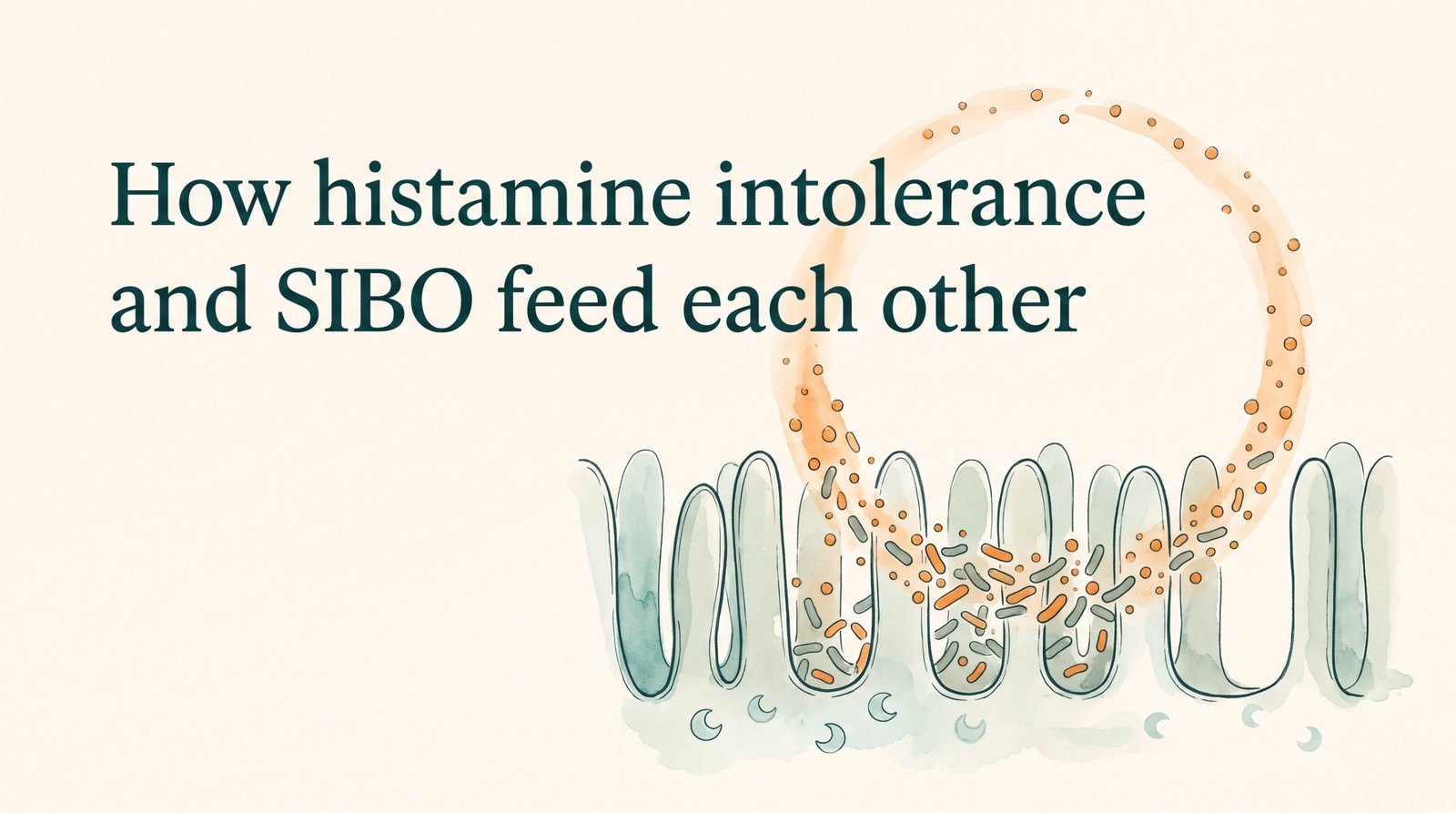
SIBO and histamine intolerance are connected through a double hit on the same small stretch of gut. Some of the bacteria that overgrow in small intestinal bacterial overgrowth (SIBO) can make histamine. At the same time, the inflammation the overgrowth causes may lower diamine oxidase (DAO), the enzyme in the gut lining that breaks histamine down. As a result, production goes up while clearance goes down.
- Histamine intolerance
- A mismatch between the histamine the body takes in or makes and its capacity to break it down, mainly through the enzyme DAO in the gut lining. The result can be gut, skin, headache and other symptoms that look like an allergy but are not one.4
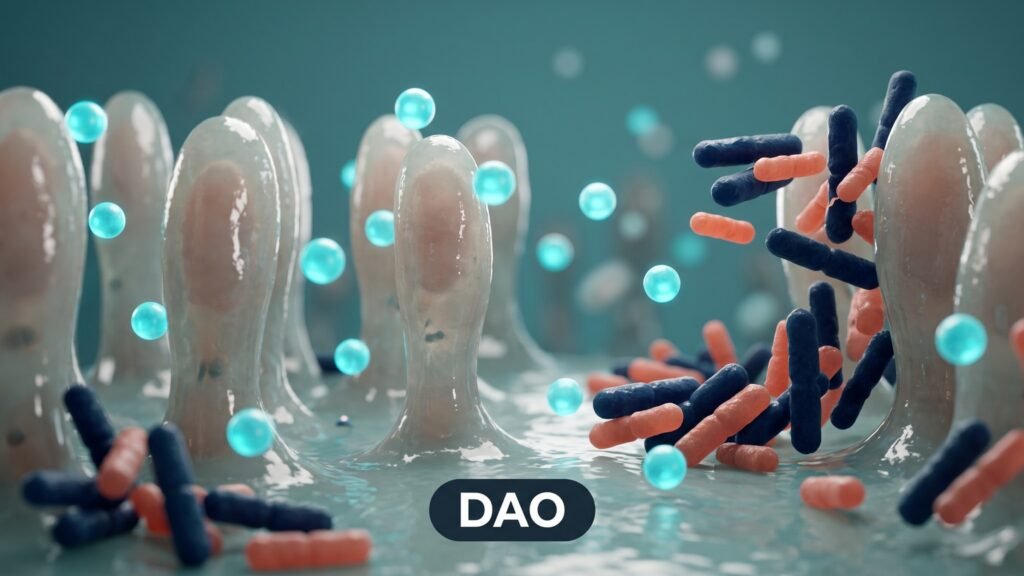
Several gut bacteria carry histidine decarboxylase, an enzyme that turns the amino acid histidine into histamine. Bacteria with this ability include Morganella morganii, Escherichia coli and Klebsiella aerogenes.5, 1 When species like these overgrow in the small intestine, they add histamine right where food is absorbed.
Gut bacteria from IBS patients with high urinary histamine made large amounts of histamine in the lab. Klebsiella aerogenes, carrying a variant of the histidine decarboxylase gene, was the main producer and was abundant in three separate IBS groups. In germ-free mice, these bacteria caused gut pain through the histamine 4 receptor.1
The overlap between the two depends on which test you trust. In a meta-analysis of 12 studies in IBS, a positive lactulose breath test turned up in 54% of patients, a glucose breath test in 31% and a jejunal culture in only 4%.6
A positive SIBO test in IBS depends on the method
Pooled prevalence of a positive test. Ford 2009, meta-analysis of 12 studies, 1,921 people with IBS.
A later meta-analysis of 50 studies put SIBO at 38% of people with IBS, with about 4.7 times higher odds than in healthy controls.7 Whatever the exact figure, bacterial overgrowth is common in exactly the people who report histamine symptoms. In a small study of eight people with histamine intolerance, the gut microbiome also looked different, with lower diversity and fewer histamine-degrading Bifidobacteriaceae.8
Can histamine intolerance trigger SIBO?
Histamine intolerance can plausibly help trigger SIBO, mostly by disturbing the two systems that keep the small intestine clean, motility and stomach acid. The evidence here comes from mechanisms rather than trials, so it is best read as a likely route, not a proven one.
Between meals, the migrating motor complex (MMC) sweeps bacteria down the small intestine in regular waves. Histamine acts as a signal in the gut's own nervous system, and in excess it may disturb the contractions behind that cleaning wave. If the wave weakens, bacteria stay longer, ferment food in the wrong place and can start to overgrow. The MMC itself is explained in how a weak migrating motor complex sets the stage for SIBO.
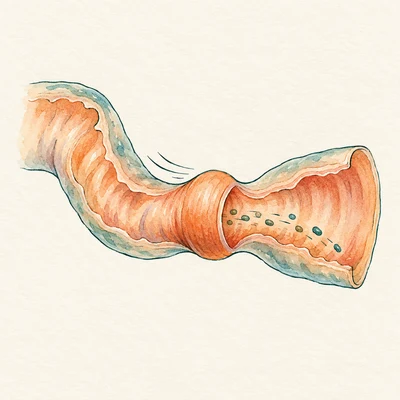
Motility disruption
Excess histamine signaling through H1 and H2 receptors in the gut may disturb peristalsis and the MMC, so bacteria linger in the small intestine.
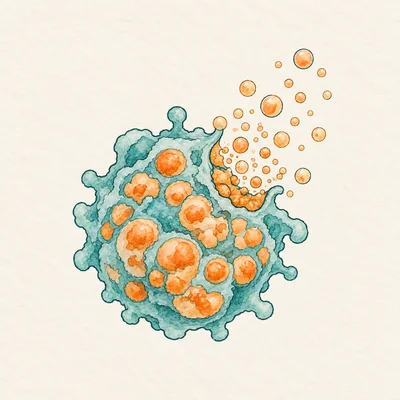
Mast cell activity
Mast cells sit next to the gut's nerves. When activated, they release histamine and other mediators that may slow transit further. More on this in IBS and mast cells.
Medicines that block DAO
Reviews of histamine intolerance list several drugs that can block DAO or release histamine, so a full medication review belongs in the work-up.4
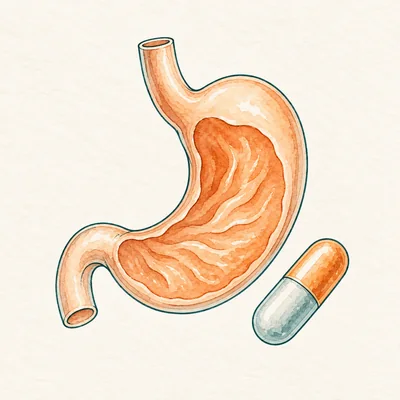
Acid suppression
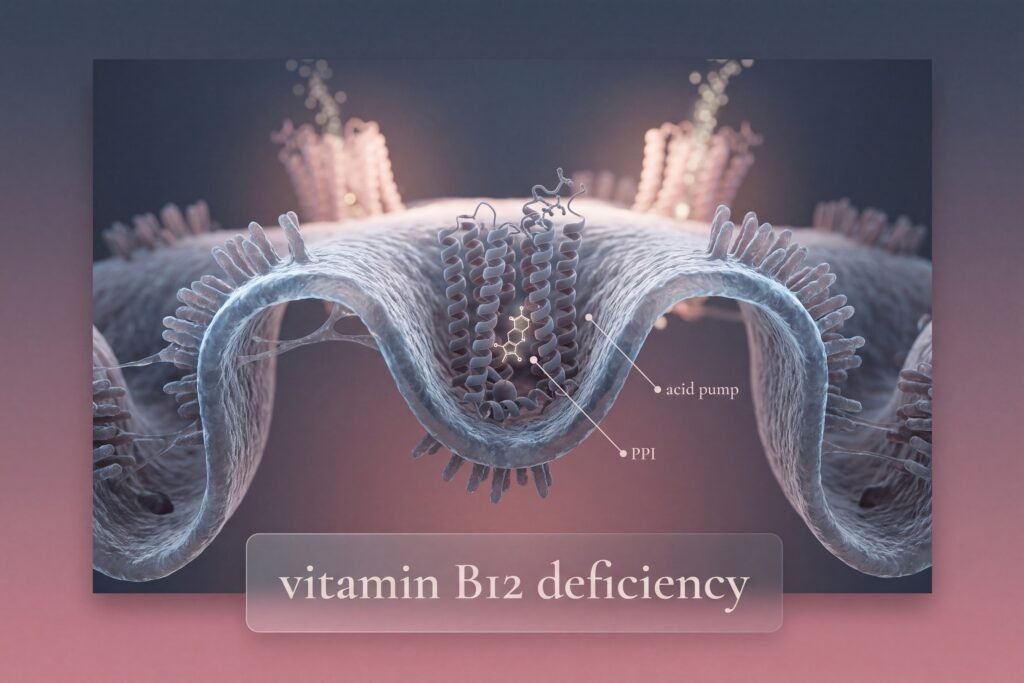
People with histamine symptoms often end up on antacids or PPIs. Stomach acid is a first line of defense, and lowering it raises the odds of bacterial overgrowth.
That last route has the firmest data. In a meta-analysis of 11 studies, people on proton pump inhibitors had about twice the odds of SIBO, and the link was strongest when SIBO was diagnosed by culture.9 A later meta-analysis of 19 studies also found a moderate increase in risk.10 So the drugs many people reach for when histamine flares or reflux starts can feed the next stage.
Histamine intolerance may start in the gut itself, where disease of the lining, medications and reduced DAO activity interact. The authors note that gastrointestinal disorders are a common background for low DAO.2
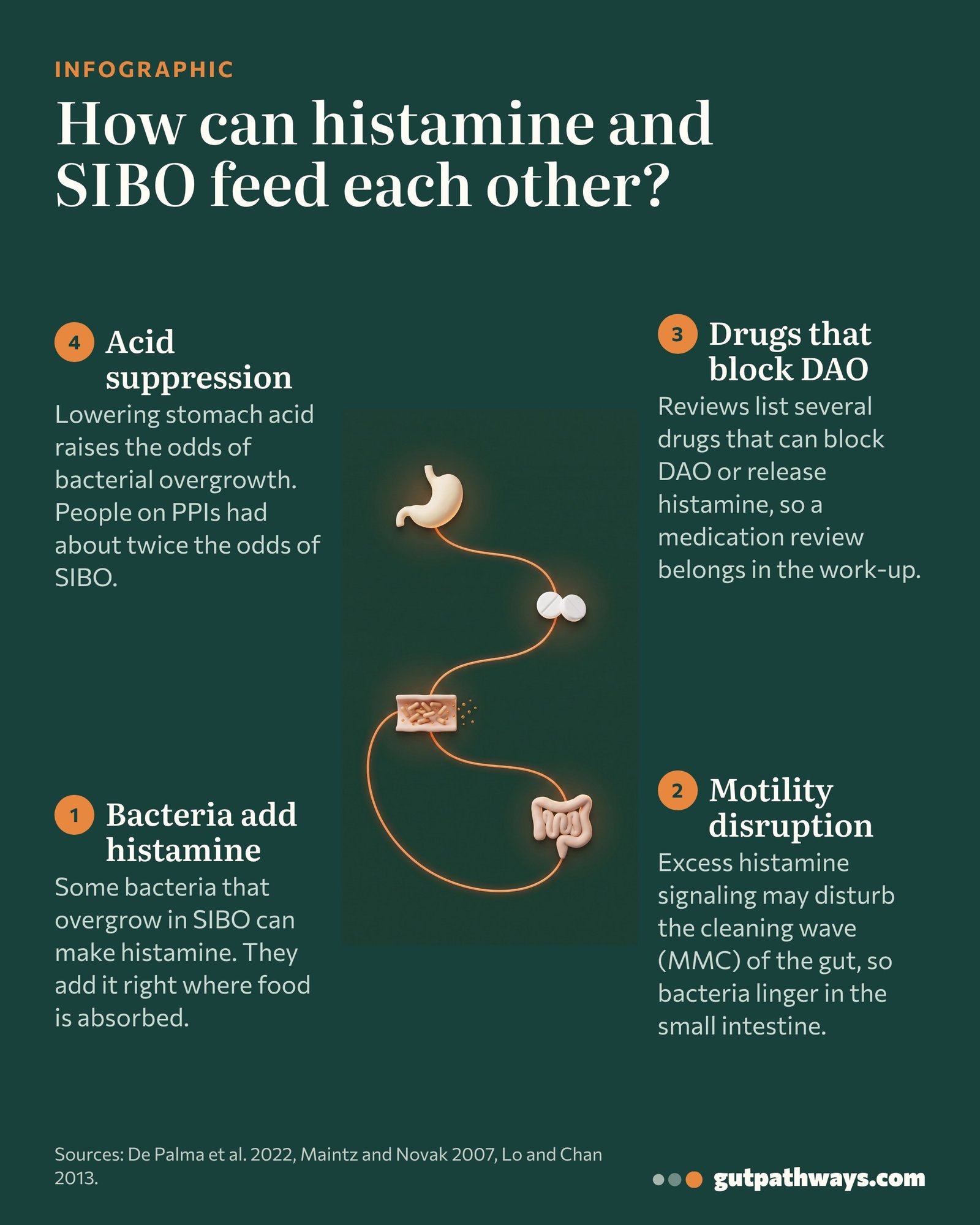
Infographic
Bacteria add histamine
Some bacteria that overgrow in SIBO can make histamine. They add it right where food is absorbed.
Acid suppression
Lowering stomach acid raises the odds of bacterial overgrowth. People on PPIs had about twice the odds of SIBO.
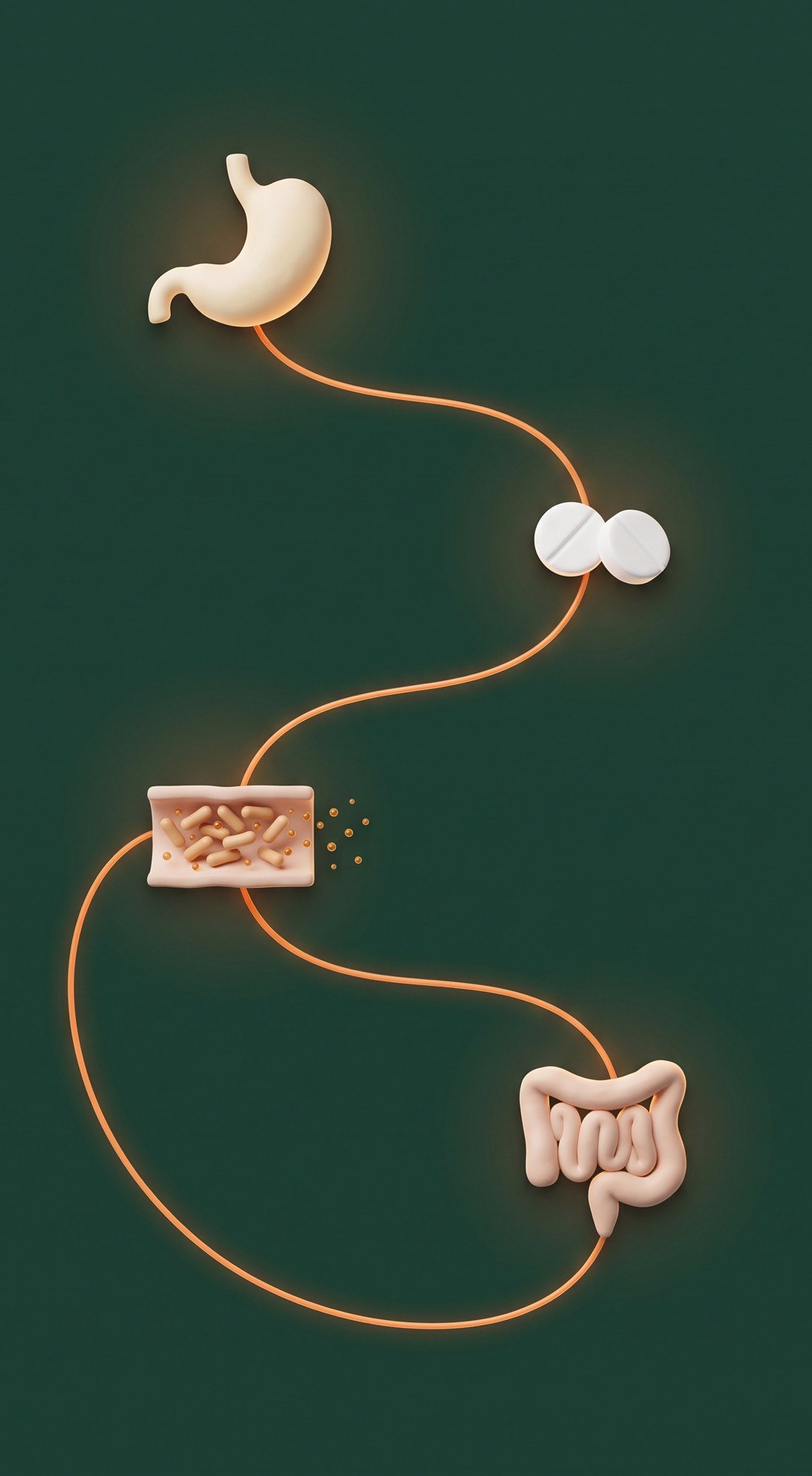
Motility disruption
Excess histamine signaling may disturb the cleaning wave (MMC) of the gut, so bacteria linger in the small intestine.
Drugs that block DAO
Reviews list several drugs that can block DAO or release histamine, so a medication review belongs in the work-up.
Bacteria add histamine
Some bacteria that overgrow in SIBO can make histamine. They add it right where food is absorbed.
Motility disruption
Excess histamine signaling may disturb the cleaning wave (MMC) of the gut, so bacteria linger in the small intestine.
Drugs that block DAO
Reviews list several drugs that can block DAO or release histamine, so a medication review belongs in the work-up.
Acid suppression
Lowering stomach acid raises the odds of bacterial overgrowth. People on PPIs had about twice the odds of SIBO.
Sources: De Palma et al. 2022, Maintz and Novak 2007, Lo and Chan 2013.
gutpathways.com
 Save this infographicImage 4:5, with sources, from gutpathways.com
Which gut symptoms point to SIBO and histamine intolerance together?
The gut symptoms that most often point to the pair are bloating that builds after meals, bowels that swing between diarrhea and constipation, cramping, gas with visible distension, early fullness and reflux. A typical histamine signature is that these symptoms flare after histamine-rich or fermented foods.
There is a reason the gut leads. The digestive tract carries many histamine receptors, so excess histamine often shows up first as nausea, cramps or loose stool.4 SIBO then adds its own layer, because bacterial fermentation makes hydrogen, methane or hydrogen sulfide that stretch the bowel wall. In a 2025 meta-analysis of intestinal methanogen overgrowth, bloating affected 78% of patients and abdominal pain 65%.11
- Bloating and visible distension, worse as the day goes on
- Diarrhea, constipation or a swing between the two
- Cramping or upper abdominal pain after eating
- Excess gas, burping or loud gurgling
- Early fullness and nausea
- Heartburn or reflux that antacids do not settle
- Flushing, warmth or palpitations within an hour of a meal
- Reactions to fermented foods, leftovers, aged cheese or wine
What are the root causes of SIBO?
SIBO starts when the gut's self-cleaning defenses fail, and one of the best documented triggers is a bout of food poisoning. In a meta-analysis of 45 studies with more than 21,000 people, about one in ten developed IBS within a year of infectious enteritis, and bacterial overgrowth is one of the proposed mechanisms behind that link.12
The stomach normally kills incoming bacteria with acid, the MMC sweeps survivors downstream, and the ileocecal valve keeps colonic bacteria from backing up. Anything that weakens these defenses opens the door. Acid-suppressing drugs, abdominal surgery and adhesions, opioid painkillers, nerve damage from diabetes, and conditions such as scleroderma or celiac disease can all slow or block the cleaning wave.
Post-infectious damage
Food poisoning can affect the gut's nerves and the MMC for a long time. About 10% of people develop IBS within 12 months of a gut infection.12 More in post-infectious IBS treatment.
Motility problems
Diabetes, an underactive thyroid, scleroderma and long-term stress can all slow the cleaning waves, giving bacteria time to settle. See hypothyroidism and SIBO.
Low acid and structural pockets
PPIs, H2 blockers, atrophic gastritis and bariatric surgery lower the acid barrier, while adhesions, strictures and diverticula create pockets where bacteria pool.
Across 45 studies, the pooled share of IBS was 10.1% twelve months after infectious enteritis, a 4.2-fold higher risk in the first year. After protozoan or parasitic infections, 41.9% developed IBS.12 An earlier analysis put the odds of IBS after a gut infection at nearly six times higher.13
Willpower, gluten or one bad food appear nowhere on these lists. Instead, SIBO is first a mechanical and nerve problem, which is why diets and antibiotics alone so often disappoint, as the rifaximin data show next.
Why is rifaximin not a permanent fix for SIBO?
Rifaximin is not a permanent fix because it lowers the overgrowth for a while but does nothing for the weak motility, low acid or scar tissue that let bacteria build up. In a follow-up of 80 people whose breath test had normalized after rifaximin, 43.7% tested positive again within nine months.3
It works like mowing a lawn without touching the roots. The drug stays inside the gut, cuts down much of the overgrowth and normalized breath tests in about 70.8% of cases across 32 studies and 1,331 patients.14 Symptom results are more modest, though. In the two TARGET trials, adequate relief of global IBS symptoms was reached by 40.7% on rifaximin and 31.7% on placebo.15
Adequate relief of global IBS symptoms
Pimentel 2011, TARGET 1 and TARGET 2, rifaximin 550 mg three times daily for two weeks.
- 3 months12.6%Ten of 80 patients had a positive breath test again.
- 6 months27.5%Twenty-two of 80 had relapsed.
- 9 months43.7%Thirty-five of 80 had relapsed.
The relapse curve says more about the approach than about the drug. Clearing bacteria without repairing motility leaves the door open. In the same study, a past appendectomy raised the odds of relapse about six times, and long-term PPI use about three and a half times.3 Methane-dominant cases often respond poorly to rifaximin alone, and in one chart review a combination with neomycin worked best.16 Above all, no antibiotic can rebuild a weak migrating motor complex.
Do antihistamines help when SIBO is involved?
Antihistamines can take the edge off flushing, hives, itching and headaches, but they do nothing for SIBO itself. They block the receptor, not the production. Because the bacteria keep making histamine, symptoms usually return within hours of the last dose.
There is also a catch that rarely gets discussed. H2 blockers such as famotidine work by lowering stomach acid, and stomach acid is one of the main defenses against bacterial overgrowth. Taken daily for months, an H2 blocker may therefore worsen the very problem it was meant to calm. A different bridge is DAO itself. In a small study of 14 people with histamine intolerance, mean serum DAO activity was 7.04 U/mL against 39.50 U/mL in healthy controls.17
DAO supplements have early but encouraging data. In an open pilot study of 28 people, four weeks of DAO capsules before meals improved all 22 tracked symptoms, and symptoms crept back after stopping.18 Separately, 20 people with very low DAO who followed a histamine-free diet for 6 to 12 months saw their main symptoms disappear and their DAO activity rise.19 Antihistamines have their place, but the enzyme and the diet change the underlying balance.
What are the treatment options for SIBO and histamine intolerance?
Treatment works in layers. First the overgrowth comes down, then histamine is kept low while the lining heals, and finally motility is restored so the problem cannot rebuild. The order matters as much as the tools, because clearing bacteria while DAO is still low can make histamine symptoms worse for a while.
| Intervention | What it does and when it fits |
|---|---|
| Low-histamine diet | Cuts incoming histamine for 4 to 8 weeks while treatment works. A bridge, not a life sentence. In 101 patients, a histamine-reduced diet raised serum DAO, in step with how strictly it was followed.20 |
| Targeted antimicrobials | Rifaximin for hydrogen-dominant SIBO, combinations for methane types, or herbal protocols. Clears the overgrowth so the lining can recover.14, 16 |
| Strain-specific probiotics | Strains are chosen for their histamine profile. Some lactobacilli can make histamine, so those are best avoided early on.21 |
| Prokinetics | Restart the migrating motor complex after the overgrowth is cleared, the single most important step for preventing relapse. |
| DAO support | DAO capsules before meals, plus the cofactors the enzyme needs, vitamin B6, vitamin C and copper. Helps keep histamine down while the lining rebuilds its own production.18 |
| Elemental diet | A predigested formula that starves bacteria for about two weeks. Kept for stubborn or relapsing cases, under supervision. |
Two practical warnings come up again and again in practice. First, a strict low-histamine diet should not sit on top of a strict low-FODMAP diet for months. Together they remove so many foods that nutrition suffers, and nutrition is what rebuilds the lining. Second, probiotics are not automatically safe here. Some strains in popular products can make histamine themselves, which may explain why people with histamine intolerance sometimes feel worse on standard probiotics.21
How do you break the SIBO and histamine cycle?
Breaking the cycle means treating SIBO and histamine intolerance as one connected system with several entry points, not as two separate diagnoses. Instead of asking which pill kills which bug, the better questions are why the gut allowed overgrowth, why histamine clearance dropped and what keeps both going.
That starts with testing rather than guessing. A sensible work-up maps three areas. The first is the overgrowth itself, with a glucose or lactulose breath test that includes methane and, where available, hydrogen sulfide. The second is the histamine side, with serum DAO activity. The third is the terrain, with a stool microbiome profile, celiac serology, thyroid function and a full medication review. Each result changes the plan, as explained in how to test for SIBO.
- 1
Find the entry point
History first, food poisoning, surgery, PPI or opioid use, antibiotics and stress. Then breath testing, DAO activity and a stool profile before any treatment.
- 2
Lower the overgrowth
Antimicrobials or herbal agents matched to the gas pattern, together with a short low-histamine diet so the histamine load falls while bacteria clear.
- 3
Restart the cleaning waves
Prokinetics, meals spaced four to five hours apart and vagal support help restore the migrating motor complex. This step decides whether SIBO stays away.
- 4
Repair the lining and the enzyme
Zinc, glutamine and the DAO cofactors B6, C and copper support the villi that make DAO. This is where histamine tolerance usually returns.
- 5
Rebuild and retest
Strain-specific probiotics, gradual food reintroduction and a repeat breath test at eight to twelve weeks confirm the cycle is broken.
This framework also explains why single tools disappoint. Diet alone cannot clear an established overgrowth, antibiotics alone cannot repair motility, and DAO alone cannot stop bacteria from making histamine. In the clinics where I work as a scientific collaborator, people who treat their SIBO and lower their histamine load at the same time are the ones who stay well. If your story started with IBS that never quite made sense, this combined view is often the missing piece.
Frequently asked questions
Hydrogen-dominant SIBO is the type most often linked to histamine problems, because several overgrowing species, such as Klebsiella aerogenes, Morganella morganii and Escherichia coli, can make histamine.1, 5 Methane-dominant overgrowth mainly drives constipation and is less directly tied to histamine, although any long-standing overgrowth can lower DAO through inflammation.
Bloating, cramps, diarrhea or loose stool, nausea and reflux, often within an hour of histamine-rich or fermented food. Flushing, headache, hives or a blocked nose next to these gut symptoms point more strongly to histamine.4
It can contribute. Histamine made by overgrowing bacteria, together with low DAO, can trigger headache in people with histamine intolerance, and headache is one of its most common symptoms.4 The link between migraine and the gut is covered in migraine and IBS.
They help some symptoms, not the SIBO. H1 blockers can calm flushing, hives and headache within hours, but bacterial histamine production continues. Daily H2 blockers need extra caution, because lowering stomach acid removes a defense against overgrowth.
Because antibiotics lower the overgrowth without fixing the reason it formed. In one follow-up study, 43.7% of patients relapsed within nine months of successful rifaximin treatment, and a past appendectomy or long-term PPI use raised that risk.3
Some can. Certain lactobacilli make histamine, so a standard probiotic may add to the load in people who already clear histamine poorly.21 Strain choice matters more than the label.
References
21 studies
- De Palma G, Shimbori C, Reed DE, et al. Histamine production by the gut microbiota induces visceral hyperalgesia through histamine 4 receptor signaling in mice. Sci Transl Med. 2022.
- Schnedl WJ, Enko D. Histamine intolerance originates in the gut. Nutrients. 2021.
- Lauritano EC, Gabrielli M, Scarpellini E, et al. Small intestinal bacterial overgrowth recurrence after antibiotic therapy. Am J Gastroenterol. 2008.
- Maintz L, Novak N. Histamine and histamine intolerance. Am J Clin Nutr. 2007.
- Barcik W, Pugin B, Westermann P, et al. Histamine-secreting microbes are increased in the gut of adult asthma patients. J Allergy Clin Immunol. 2016.
- Ford AC, Spiegel BM, Talley NJ, Moayyedi P. Small intestinal bacterial overgrowth in irritable bowel syndrome: systematic review and meta-analysis. Clin Gastroenterol Hepatol. 2009.
- Chen B, Kim JJ, Zhang Y, Du L, Dai N. Prevalence and predictors of small intestinal bacterial overgrowth in irritable bowel syndrome: a systematic review and meta-analysis. J Gastroenterol. 2018.
- Schink M, Konturek PC, Tietz E, et al. Microbial patterns in patients with histamine intolerance. J Physiol Pharmacol. 2018.
- Lo WK, Chan WW. Proton pump inhibitor use and the risk of small intestinal bacterial overgrowth: a meta-analysis. Clin Gastroenterol Hepatol. 2013.
- Su T, Lai S, Lee A, He X, Chen S. Meta-analysis: proton pump inhibitors moderately increase the risk of small intestinal bacterial overgrowth. J Gastroenterol. 2018.
- Mehravar S, Takakura W, Wang J, et al. Symptom profile of patients with intestinal methanogen overgrowth: a systematic review and meta-analysis. Clin Gastroenterol Hepatol. 2025.
- Klem F, Wadhwa A, Prokop LJ, et al. Prevalence, risk factors, and outcomes of irritable bowel syndrome after infectious enteritis: a systematic review and meta-analysis. Gastroenterology. 2017.
- Thabane M, Kottachchi DT, Marshall JK. Systematic review and meta-analysis: the incidence and prognosis of post-infectious irritable bowel syndrome. Aliment Pharmacol Ther. 2007.
- Gatta L, Scarpignato C. Systematic review with meta-analysis: rifaximin is effective and safe for the treatment of small intestine bacterial overgrowth. Aliment Pharmacol Ther. 2017.
- Pimentel M, Lembo A, Chey WD, et al. Rifaximin therapy for patients with irritable bowel syndrome without constipation. N Engl J Med. 2011.
- Low K, Hwang L, Hua J, et al. A combination of rifaximin and neomycin is most effective in treating irritable bowel syndrome patients with methane on lactulose breath test. J Clin Gastroenterol. 2010.
- Manzotti G, Breda D, Di Gioacchino M, Burastero SE. Serum diamine oxidase activity in patients with histamine intolerance. Int J Immunopathol Pharmacol. 2016.
- Schnedl WJ, Schenk M, Lackner S, et al. Diamine oxidase supplementation improves symptoms in patients with histamine intolerance. Food Sci Biotechnol. 2019.
- Mušič E, Korošec P, Šilar M, et al. Serum diamine oxidase activity as a diagnostic test for histamine intolerance. Wien Klin Wochenschr. 2013.
- Lackner S, Malcher V, Enko D, et al. Histamine-reduced diet and increase of serum diamine oxidase correlating to diet compliance in histamine intolerance. Eur J Clin Nutr. 2019.
- Comas-Basté O, Sánchez-Pérez S, Veciana-Nogués MT, et al. Histamine intolerance: the current state of the art. Biomolecules. 2020.
Found this useful? Share it with someone who needs it.
Cite this article
Prevedoros, T. (2026, July 17). How histamine intolerance and SIBO feed each other. Gut Pathways. https://gutpathways.com/articles/histamine-intolerance-sibo-connection/