IBS symptoms in men differ and can involve the prostate
Most talk about irritable bowel syndrome centers on women. However, IBS symptoms in men often follow a different pattern: more diarrhea, pelvic pain and a link with the prostate, which sits only millimeters from the rectum.
Symptoms of IBS
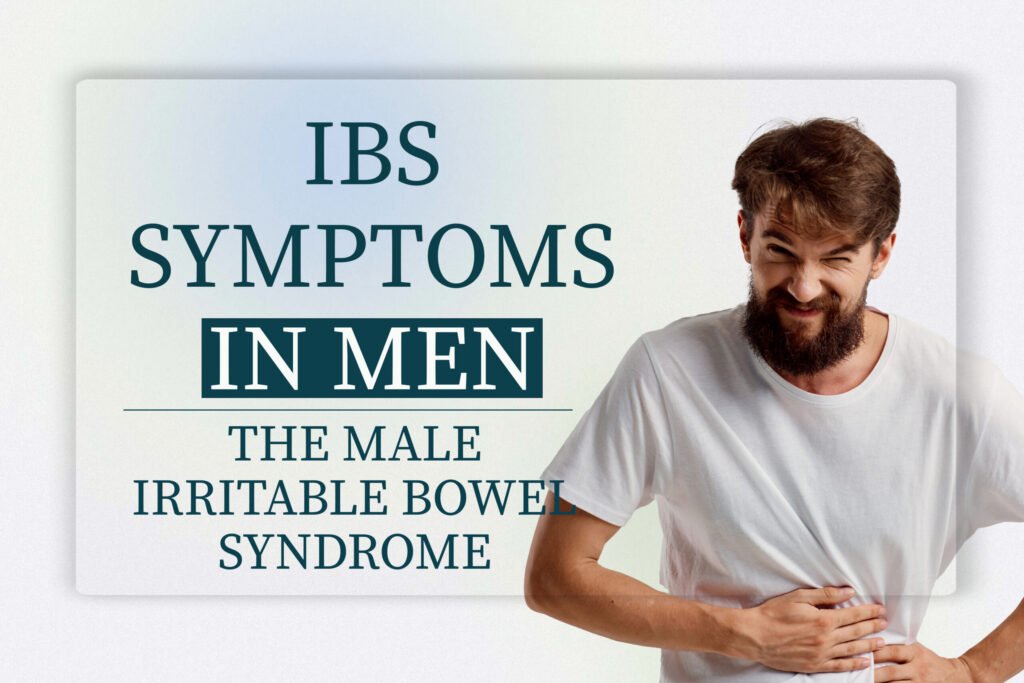
Irritable bowel syndrome shows up with abdominal pain, bloating, cramps and changes in bowel habits. An IBS flare in a man can range from pain and bloating to severe bouts of diarrhea or constipation. These symptoms disrupt daily life and can also affect sex life and overall wellbeing.
What does IBS feel like in a man?
Intense abdominal pain, lasting bloating and cramps that seem to come out of nowhere are typical of an IBS attack. Many men also describe a feeling of incomplete emptying after a bowel movement, and stools that change from hard (IBS-C) to loose (IBS-D).
Men with IBS are more likely than women to have the diarrhea-predominant type, while women more often have the constipation type.1 These swings are tiring and stressful, they can affect confidence and sex life, and they turn simple choices about food into a daily calculation.
Prostatitis and IBS in men
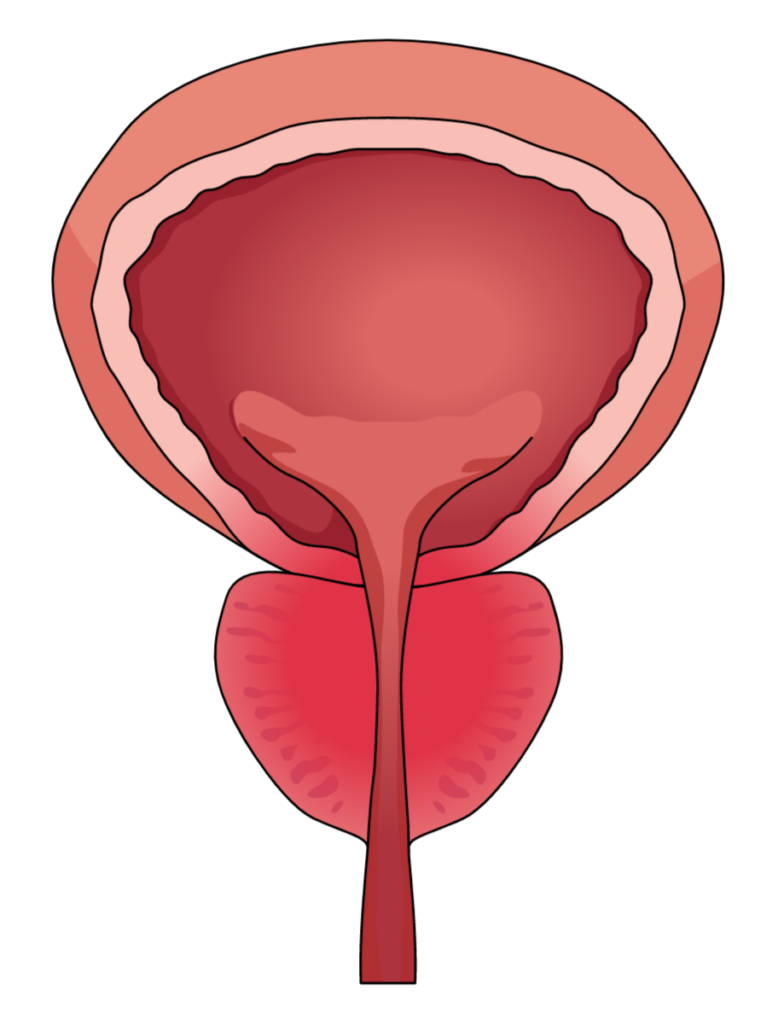
The prostate sits directly in front of the rectum, separated only by a thin layer of fat and a shared network of nerves and blood vessels. Because of this closeness, inflammation in the prostate, often from chronic prostatitis, may affect the bowel, and the two can flare together.
The overlap is common. In a study of men seen by urologists for prostatitis syndrome and by gastroenterologists for IBS, about 31% had both conditions.2 Men with both had more pelvic pain than men with prostatitis alone, and chronic bacterial prostatitis was more frequent among them. The study shows an association, so the direction of cause is not proven.
What causes IBS in men?
The causes of IBS in men are usually several at once. These are the factors that come up most often:
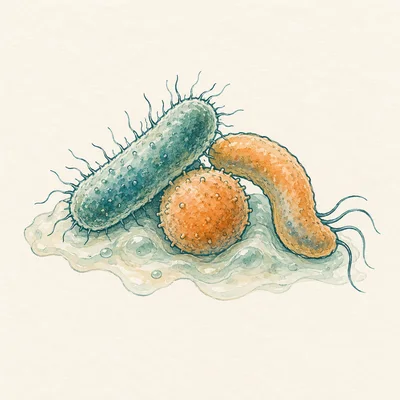
Altered gut flora
An imbalance between beneficial and harmful bacteria can drive bloating, diarrhea and constipation. See IBS types for the subtypes based on the first trigger.
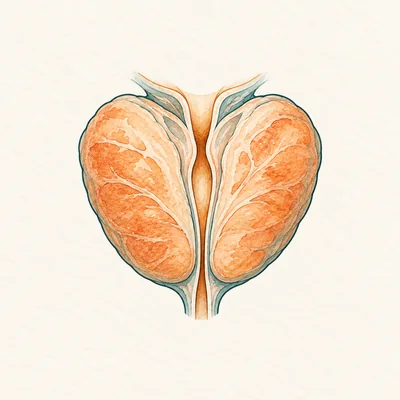
Chronic prostatitis
Many men with IBS also have a history of prostatitis, and the two often occur together.2 Inflammation may spread between the prostate and the rectum because they are so close.
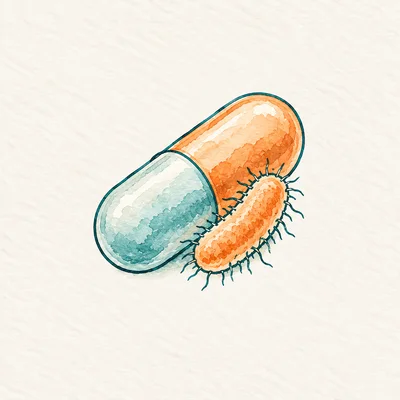
Antibiotic courses
Prostatitis is often treated with long, strong antibiotic courses. They are needed, but they can disturb the gut flora and make the bowel more sensitive. See IBS after antibiotics.

Smoking
Genetic studies support smoking as a cause of many gut diseases, irritable bowel syndrome among them.3 Some foods that irritate the bowel add to the problem.
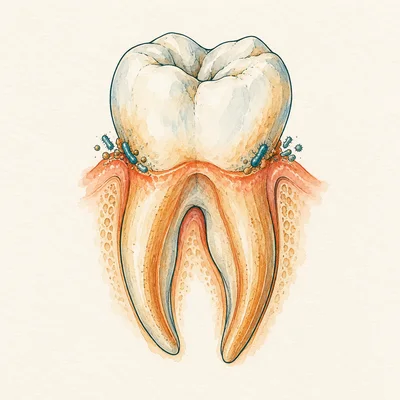
Gum disease
Chronic periodontitis was linked with a much higher risk of prostatitis in a large cohort.4 Oral bacteria may also reach the gut, although a direct link with IBS has not been studied.
In men, IBS often comes from this web of factors, in which chronic prostatitis and altered gut bacteria play the largest roles.
How the prostate can affect the bowel
The anatomical link helps explain why IBS symptoms can be so strong in men with prostatitis. The thin layer of fat between the prostate and the rectum offers little insulation, and both organs share pelvic nerves, so pain and inflammatory signals may cross over.
For this reason, a treatment aimed only at the prostate may leave the bowel symptoms untouched. For example, a man with cramps and bloating may be feeling a direct effect of prostate inflammation. Recognizing this link helps build a plan that covers both IBS and prostatitis at the same time.
A real-life case: John's IBS and prostatitis
John, 44
John's story shows how IBS and prostatitis can coexist and make each other worse.
- The start
Mild digestive discomfort turned into strong abdominal pain and bloating. At first his IBS was manageable.
- The prostatitis
Then chronic prostatitis developed, and his condition got much worse.
- The antibiotics
A strong antibiotic course improved his urinary symptoms, but his bowel got worse: strong cramps, stools that swung from diarrhea to constipation and a constant feeling of incomplete emptying.
- The impact
The symptoms affected his daily life and his sex life, which added stress and anxiety.
In men, IBS reaches beyond the bowel. John's case shows why a plan that addresses prostatitis and IBS together matters.
Treating IBS and prostatitis together
Treating only one side of the problem often gives short relief. These are the parts of a combined plan that are most often discussed with a doctor:
Antimicrobials and targeted probiotics
A plan may start with plant-based antimicrobials to lower the bacterial load without upsetting the gut flora further. A probiotic chosen for the person can follow to help restore balance.
Food choices
Avoiding the foods that trigger symptoms, with enough prebiotic fiber and fewer inflammatory foods, can ease pain and bloating. A symptom diary shows how specific foods affect the bowel.
Lifestyle
Lower stress, no smoking and less alcohol can reduce flares and support both gut and prostate health.3
Bringing it all together
The prostate sits right next to the rectum, so inflammation in one area can affect the other. This leads to diarrhea, constipation, bloating and lasting abdominal pain. For a man, IBS can feel like an unpredictable storm, with sudden flares that disrupt daily routines and sex life.
The causes of IBS in men usually combine chronic prostatitis, altered gut bacteria, lifestyle and even dental health. Recognizing these links is the first step toward a plan that works in the long term. You are not alone with this, and a combined approach to prostatitis and IBS is often what makes the difference.
Frequently asked questions
Abdominal pain and cramps, bloating, diarrhea or constipation, urgency and a feeling of incomplete emptying. Men are more likely than women to have the diarrhea-predominant type.1
The two often occur together: about 31% of men in one study had both.2 The prostate and the rectum are very close, so inflammation in one may affect the other, but the direction of cause is not proven.
Usually in the lower abdomen, and often relieved after a bowel movement. In men with prostatitis, the pain can also spread to the pelvis, the perineum or the lower back.
Soon, if there is weight loss without a reason, blood in the stool, iron deficiency anemia, symptoms at night, symptoms that start after 50, or a family history of bowel cancer.5
References
5 studies
- Lovell RM, Ford AC. Effect of gender on prevalence of irritable bowel syndrome in the community: systematic review and meta-analysis. Am J Gastroenterol. 2012.
- Vicari E, La Vignera S, Arcoria D, et al. High frequency of chronic bacterial and non-inflammatory prostatitis in infertile patients with prostatitis syndrome plus irritable bowel syndrome. PLoS One. 2011.
- Yuan S, Chen J, Ruan X, et al. Smoking, alcohol consumption, and 24 gastrointestinal diseases: Mendelian randomization analysis. Elife. 2023.
- Fu E, Cheng CM, Chung CH, et al. Association of chronic periodontitis with prostatic hyperplasia and prostatitis: A population-based cohort study in Taiwan. J Periodontol. 2021.
- Lacy BE, Pimentel M, Brenner DM, et al. ACG Clinical Guideline: Management of Irritable Bowel Syndrome. Am J Gastroenterol. 2021.
Found this useful? Share it with someone who needs it.
Cite this article
Prevedoros, T. (2025, February 9). IBS symptoms in men differ and can involve the prostate. Gut Pathways. https://gutpathways.com/articles/ibs-symptoms-men/