Gum disease tied one man's prostatitis to his IBS
This is case 5 in the book IBSyncrasy
Nick had pelvic pain, bloating and loose stools that five doctors could not explain. His case shows how gum disease, diverticula and repeated antibiotics can tie prostatitis and IBS together, and how his plan treated both.
 Nick's casecase study
1DemographicsStop 1 of 8
Who Nick is
Nick was a 45-year-old bar manager with a busy social life when he came to the clinic where I work as a scientific collaborator. He had lived with chronic prostatitis for about a year before his gut symptoms began.
- 45 years old
- Man
- Bar manager
- Chronic prostatitis
- Gum disease since age 25
- Sigmoid diverticulitis
Statistics from the practice for similar cases
- Number of cases
- 162
- Age range
- 30 to 45
- Success rate
- >90%
- Treatment duration
- 2 to 4 months
- Most common symptom
- Feeling of incomplete emptying
- Most common trigger
- Smoking
Average improvement score
Figures from the practice's own records of cases like this one, not from a published study.
His main complaints were bloating, a feeling of incomplete emptying, painful bowel movements and loose stools. His full case is described in the book IBSyncrasy.
2IntroductionStop 2 of 8
How prostatitis and IBS are linked
Men are diagnosed with IBS less often than women, and in my experience, men with IBS almost always have another condition alongside it. Among the men with IBS I have seen, the most common companion is chronic prostatitis or chronic pelvic pain syndrome, and a prostatitis flare often comes with a gut flare.
Research supports a link. In a Taiwanese study of 9,740 men, 10.2% of those with chronic prostatitis or chronic pelvic pain had a previous IBS diagnosis, against 5.3% of matched controls (odds ratio 2.05).1 In a small study, men with chronic pelvic pain syndrome had a less diverse gut microbiome than controls, with fewer Prevotella.2 More on this link is in gut bacteria and prostatitis.
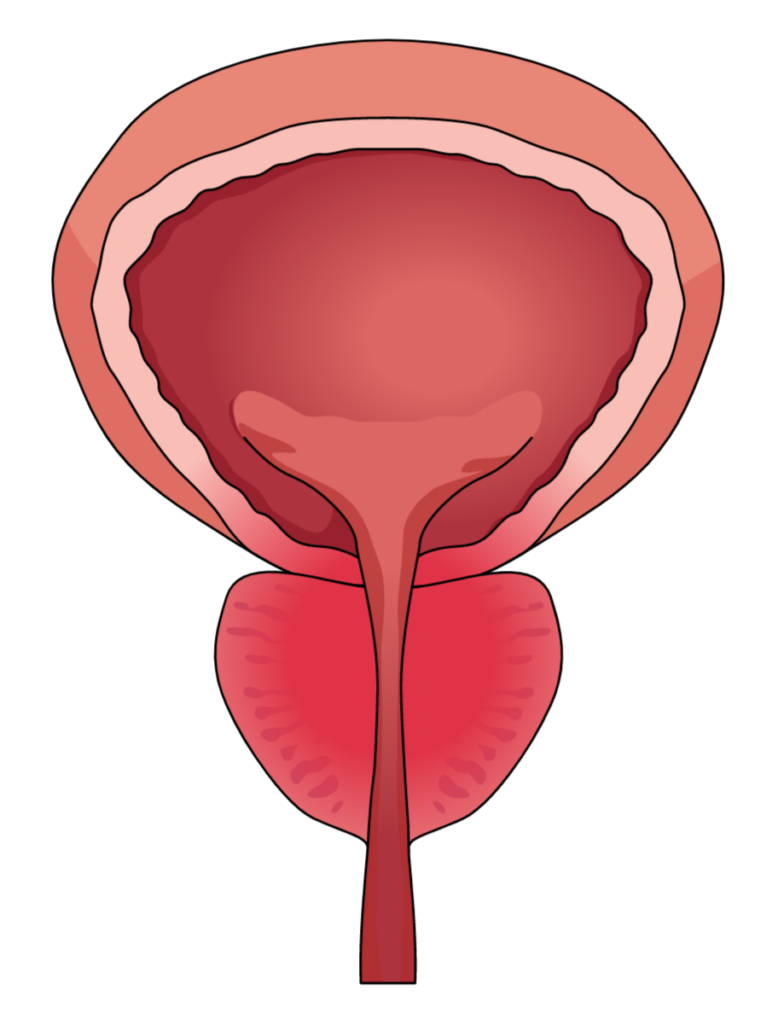
Anatomy plays a part too. An inflamed prostate can affect the outer wall of the rectum, since only a thin layer of fat separates the two. In bacterial prostatitis, the bacteria found are often gut bacteria, with E. coli the most common.3 Bloating and a feeling of incomplete emptying are the IBS features that most often accompany prostatitis, together with pain low in the abdomen. Colonoscopy and imaging are usually normal, although diverticula are a common finding.
3MeetingStop 3 of 8
Meeting Nick
Nick first felt mild discomfort in the genital area at 44. At first, it went away on its own, and he put it down to an active sex life. Over time, though, the pain came back and grew stronger, and he had to get up several times a night to pass urine. Within a year, he had seen a urologist, two gastroenterologists and two general practitioners and had a colonoscopy, a gastroscopy, ultrasounds and blood tests, without a diagnosis.
Looking back, four factors had built up over the years.
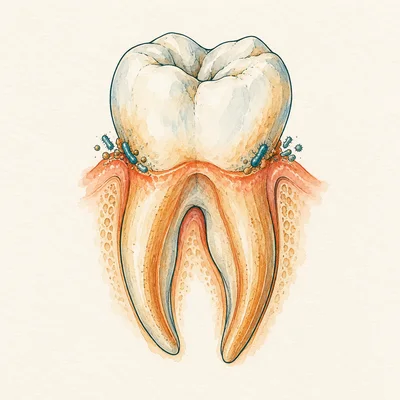
Gum disease
Plaque and periodontitis since his mid-twenties supplied his gut with mouth bacteria every day.

Daily habits
Smoking, late nights and his eating habits favored diverticulitis and overgrowth in the small intestine.
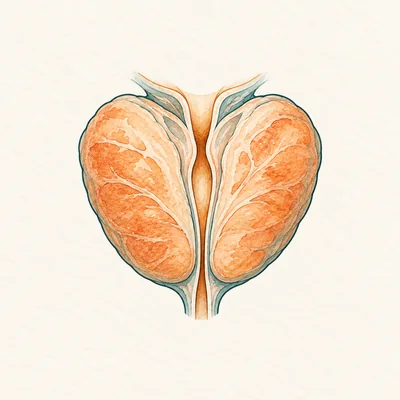
Prostatitis treatment
Courses of antibiotics for the prostate wore down his beneficial gut bacteria.
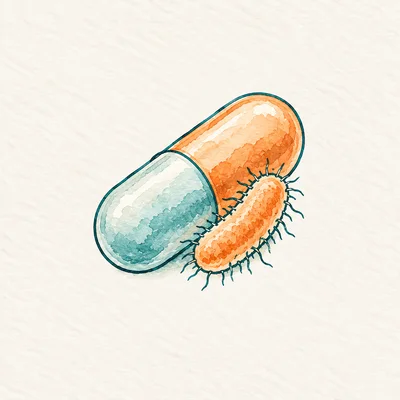
More antibiotics
Each new course deepened the imbalance, and IBS and poor nutrition followed.
4DiagnosticsStop 4 of 8
Diagnostics: a large panel for many conditions
Nick's chronic gum disease had been sending bacteria from his mouth to his gut since he was 25. Normally, stomach acid stops most of them. In Nick's case, his eating habits and heavy antibiotic use favored low stomach acid, which let more mouth and environmental bacteria reach his gut. A small study found the same oral bacteria in the dental plaque and the prostatic fluid of men with gum disease and prostate inflammation.4 In addition, his diverticula offered sheltered spots where bacteria could overgrow. Because of all these conditions, his panel was large and included stool, blood and urine tests.
Bloating and gas are two sides of the same coin. Both depend on an imbalance of gut bacteria, mostly fermenting gram-negative species.
Gas trapped in the colon and a lost bowel rhythm create a constant feeling that the bowel is not empty.
Living with both prostatitis and IBS can be painful, and chronic pelvic pain is common in men with prostatitis.
The colon releases water and mucus to clear possible pathogens, and this usually makes stools loose.
Other details completed his picture:
- Gum disease since age 25
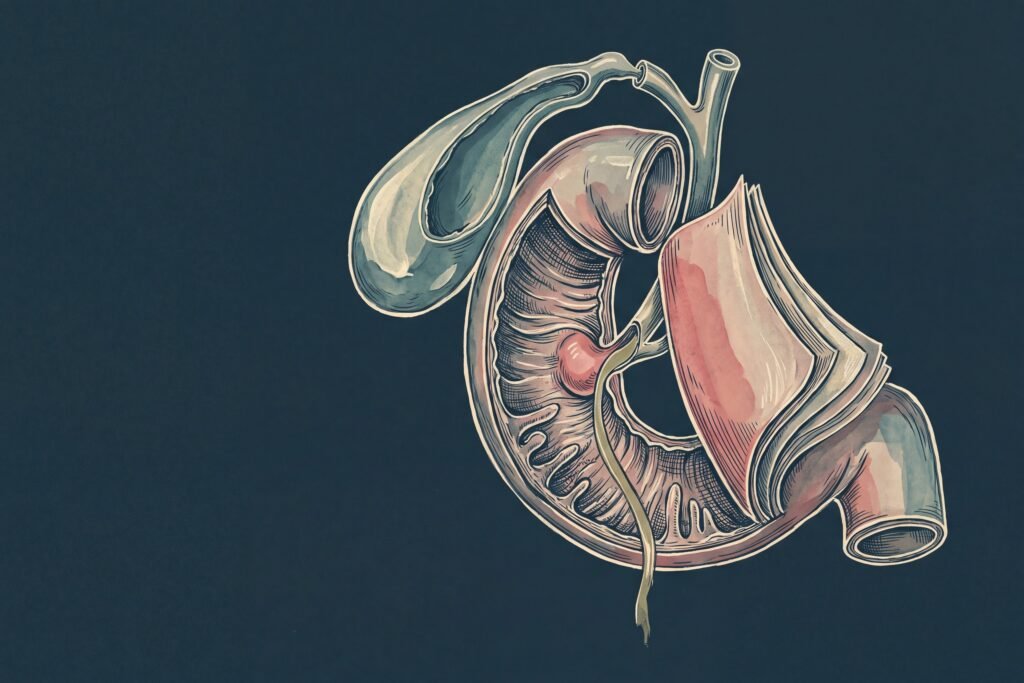
- Sigmoid diverticulitis
- Chronic bacterial prostatitis
- No findings on endoscopy
- Urgent bowel movements
- More than 3 bowel movements a day
5ResultsStop 5 of 8
Results: chronic inflammation
Nick's results pointed to a chronic inflammatory process, probably around his diverticula. This inflammation disturbed the gut lining and let other bacteria settle. The pain he felt came from this infection-related inflammation, which could also explain his feeling of incomplete emptying. Klebsiella and Veillonella were high, a pattern I often see when the gut lining has lost its normal chemical and immune properties. In this setting, fermenting bacteria produce gas faster than it can leave the gut, and strong, painful bloating follows.
Of the 10 results we reviewed, four guided the care plan.

High secretory IgA
High secretory IgA points to infection-related inflammation in the gut. Several bowel movements a day and loose stools often come with it.

High EPX
Activated eosinophils drive allergic-type symptoms, such as itching and loose stools, and in some cases add to painful bowel movements.
Klebsiella and Morganella overgrowth
Both bacteria ferment starch readily and can produce histamine. Loose stools, itching and bloating can follow. More on this finding is in Klebsiella spp high in stool.
Low levels of beneficial bacteria
With few beneficial bacteria (what I call probiotic sterility), starch, sugars and fiber ferment abnormally, and bloating and gas are the main symptoms.
6Care planStop 6 of 8
Care plan: prostate and gut together
Nick's plan ran in three stages of about six weeks each, with three more meetings. The first stage carried the most risk, because a prostatitis flare at that point would interfere with the treatment. For this reason, he was advised to avoid anything that could set off a flare during this stage, including sexual activity, smoking, alcohol and long periods of sitting.
Every case is different, so Nick's plan describes his care and is not a plan for anyone else. Prostatitis and IBS each need a doctor's assessment, and in Nick's case they were treated side by side.
7Follow-upStop 7 of 8
Follow-up: no bloating, no pain
A few weeks into the plan, it was time to add a strong prebiotic formula. Nick stopped the additional antimicrobials and continued the main one for six more weeks. I also asked him to extend his overnight fasts to five days a week, which was easy for him, since he had already seen the effect of this simple change.
Six weeks later, he called to say that he could not come to the appointment, but that everything was going well: no bloating, no pain and no diarrhea.
8ConclusionStop 8 of 8
Conclusion: treating both, not one
Men with prostatitis can feel pain or discomfort anywhere in the pelvic area, often as referred pain from a swollen, inflamed prostate. Research has also started to look at the gut microbiome in prostatitis, since men with chronic pelvic pain syndrome have a different gut community.2 It has been proposed that some gut bacteria and their by-products may reach the prostate, although this is still being studied.
When a man with past or current prostatitis asks for help with his gut, fixing only one of the two is rarely enough. In Nick's case, the prostate and the gut were treated together, and he followed his plan closely without giving up, despite its length.
What Nick's case shows
- Prostatitis is common in men with IBS, and it helps explain where their gut symptoms come from.1
- In Nick's case, symptoms settled over about four months, and gut-friendly habits were part of keeping them away.
- Bloating and a feeling of incomplete emptying are the most prominent symptoms, while painful bowel movements and diarrhea are also common.
- The gut is connected with almost every other organ, so a team approach is often needed.
- Lifestyle mattered for his recovery, especially smoking, diet and long hours of sitting.
Frequently asked questions
Pelvic or lower abdominal pain, frequent urination at night, bloating, gas, a feeling of incomplete emptying and loose stools. Nick had all of these, along with painful bowel movements.
Possibly. A small study found the same oral bacteria in the dental plaque and the prostatic fluid of men with gum disease and prostate inflammation.4 This is an association and not proof of cause.
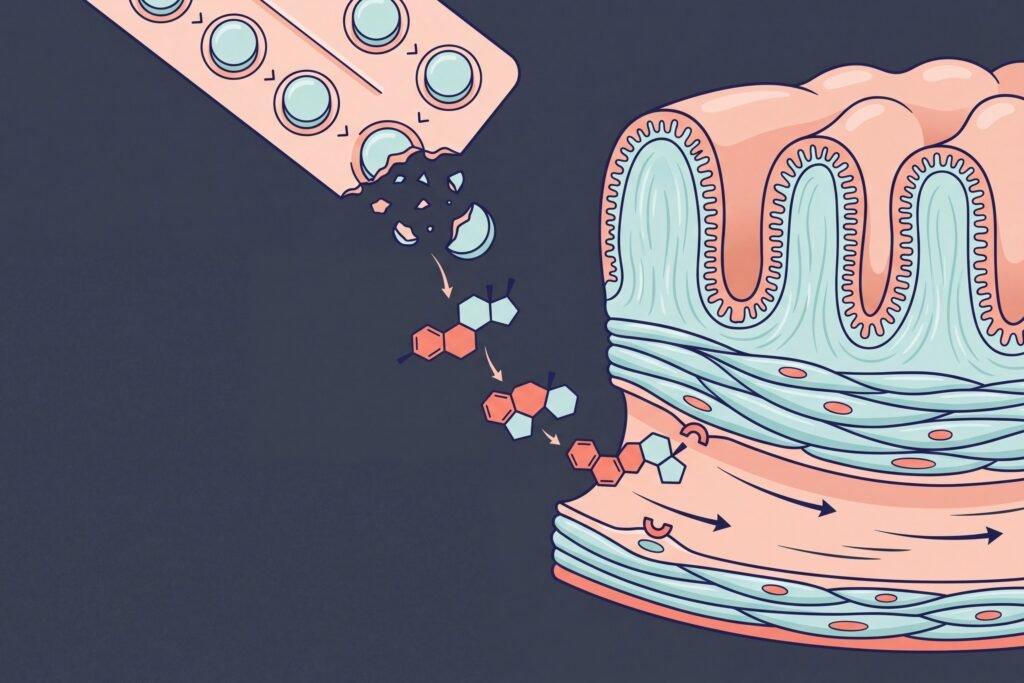
Repeated antibiotic courses can wear down beneficial gut bacteria. In Nick's case, several courses for prostatitis came before his IBS symptoms. More on this is in IBS after antibiotics.
References
4 studies
- Liao CH, Lin HC, Huang CY. Chronic prostatitis/chronic pelvic pain syndrome is associated with irritable bowel syndrome: a population-based study. Sci Rep. 2016.
- Shoskes DA, Wang H, Polackwich AS, et al. Analysis of gut microbiome reveals significant differences between men with chronic prostatitis/chronic pelvic pain syndrome and controls. J Urol. 2016.
- Marino A, Stracquadanio S, Bellanca CM, et al. Oral fosfomycin formulation in bacterial prostatitis: new role for an old molecule. Brief literature review and clinical considerations. Infect Dis Rep. 2022.
- Estemalik J, Demko C, Bissada NF, et al. Simultaneous detection of oral pathogens in subgingival plaque and prostatic fluid of men with periodontal and prostatic diseases. J Periodontol. 2017.
Found this useful? Share it with someone who needs it.
Cite this article
Prevedoros, T. (2022, September 15). Gum disease tied one man’s prostatitis to his IBS. Gut Pathways. https://gutpathways.com/case-studies/ibs-prostatitis-success-stories/