Best foods for gut health and the bacteria they feed
Each fiber, polyphenol and fermented food feeds a different group of gut bacteria. That is why specific foods, eaten in variety, do more for your microbiome than any single superfood.

Why do different foods feed different gut bacteria?
Did you know that boiling an apple may change the way it acts on your gut microbiome? Heat changes the structure of the pectin in the peel, and a fiber with a different structure reaches a different group of bacteria. The same idea runs through this whole article. Gut bacteria specialize, so the food you choose decides which of them get fed.
Your gut microbiome works like an organ that talks to the immune, nervous and endocrine systems. In addition, anything that passes through the large intestine can shift its composition and activity, from food to medicines and toxins. Whole plant foods, with their fiber and polyphenols, are the main fuel for colonic fermentation, and in human studies whole grains, cocoa and certain fruits raised bifidobacteria and lactobacilli.9
Prebiotic foods such as leeks, chicory, oats, apples and legumes feed specific bacteria. Fermented foods add microbes of their own. Variety, season and cooking method change the result.
Which dietary factors shape the gut microbiome?
Four factors decide which microbial groups thrive and which fade. One more point matters here: a healthy gut is acidic, and this acidity helps commensal bacteria settle. The details are in why alkalizing foods never make your gut alkaline.
Eating too much of one ingredient may favor a narrow set of species. In a 4-week trial, high-protein diets with less carbohydrate and fiber lowered the share of butyrate and the Roseburia and Eubacterium rectale group, and raised N-nitroso compounds in stool.12
Gut bacteria shift with the seasons. In the Hutterites, whose diet changes mainly with summer produce, the microbiome shifted between winter and summer.13 In the Hadza of Tanzania, some taxa disappeared in one season and came back in the next.14 Whether these swings change infection risk is still a hypothesis.15
Cooking changes what reaches the colon. In mice, the same plant diet served raw or cooked reshaped the gut microbiome, mainly through starch digestibility, and the shift was also seen in humans.16 Fiber of all kinds, soluble and insoluble, raw and cooked, feeds different parts of the microbiome.
Best foods for gut health, group by group
Each group below lists specific foods, what they feed and the amount used in the study. These are study amounts, which means they show what worked in a trial and not a personal dose. If you have IBS or SIBO, some of these foods can trigger gas, so start small and build up.
Inulin and FOS vegetables
Inulin-type fructans are stored in plant roots and bulbs. They pass the small intestine intact and are among the most studied fibers for raising Bifidobacterium.10
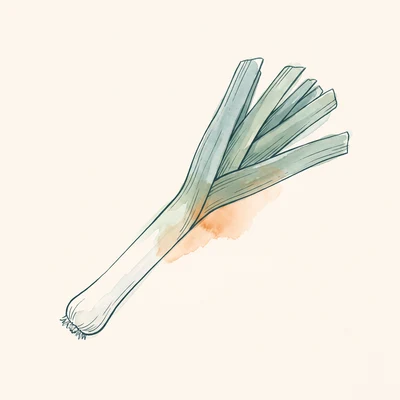
Leeks, onions and other inulin vegetables
In 26 healthy adults, two weeks of meals built on inulin-rich vegetables such as leeks, artichokes, salsify and Jerusalem artichokes provided about 15 g of inulin-type fructans a day. Bifidobacterium rose, people felt fuller and had less desire for sweet, salty and fatty food. The changes faded three weeks after they returned to their usual diet.1

Chicory root and Jerusalem artichoke
Snack bars with 7.7 g of chicory or Jerusalem artichoke inulin a day, then two bars a day for two more weeks, raised bifidobacteria in 45 volunteers. A few people had mild flatulence.17 In another trial, 5 g and 8 g of inulin a day both raised bifidobacteria, and more people responded to the higher dose.18

Globe artichoke
Very-long-chain inulin from globe artichoke, 10 g a day for three weeks, raised bifidobacteria and lactobacilli compared with placebo in 32 adults.19
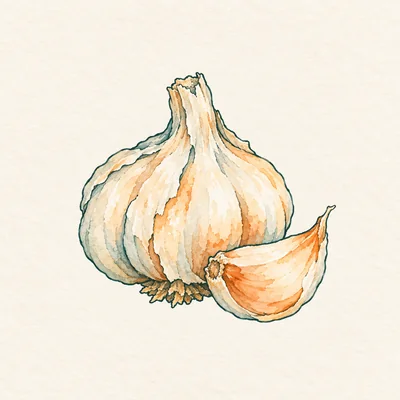
Garlic and asparagus
Both carry inulin and fructooligosaccharides (FOS). Specific trials with whole garlic or asparagus are scarce, so their effect is inferred from inulin studies and may be smaller in everyday portions.10
Inulin and minerals
In young adolescents, 8 g a day of inulin-type fructans raised calcium absorption and, after a year, bone mineral content compared with placebo.20
Beta-glucan grains
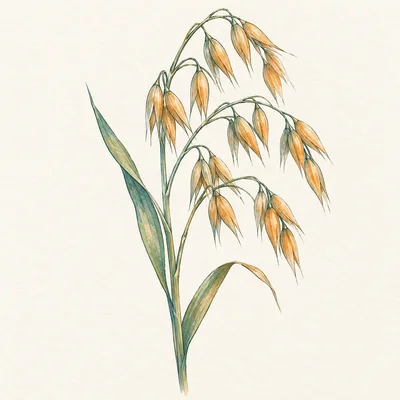
Oats and barley carry beta-glucan, a soluble fiber, together with other whole grain fibers and polyphenols.
Barley and brown rice
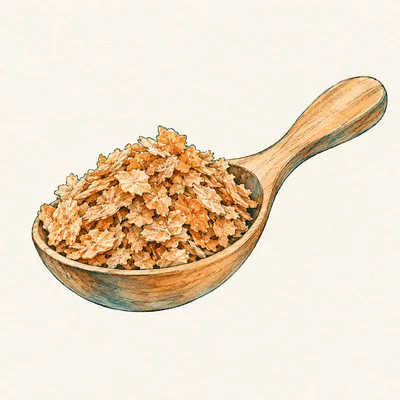
In 28 healthy adults, 60 g a day of whole grain barley, brown rice or both for four weeks raised microbial diversity. Barley also enriched Roseburia, Bifidobacterium and Dialister, and the grains lowered interleukin-6 and the peak of blood glucose after meals.22
Resistant starch
Resistant starch escapes digestion in the small intestine and is fermented in the colon, often into butyrate.

Cooked and cooled potatoes
Chilled potatoes had more resistant starch than hot or reheated ones, and baked potatoes more than boiled ones.23 A potato salad made the day before is a simple way to use this.
Slightly green bananas
Bananas that are still green at the tips carry more resistant starch than ripe ones. In 20 young adults, a resistant potato starch of the same type raised stool butyrate on average from 8 to 12 mmol/kg, but the response varied widely from person to person.11
Legumes
Legumes bring fiber, resistant starch and oligosaccharides such as raffinose.
Chickpeas, lentils and beans
In 12 healthy adults, 200 g of canned chickpeas a day for three weeks raised Faecalibacterium prausnitzii, a major butyrate producer. Raffinose alone, 5 g a day, had a similar effect.3 Lentils and beans carry the same type of oligosaccharides, which also explains the gas some people feel. More on this bacterium in low Faecalibacterium prausnitzii.
Pectin and polyphenol fruits
Fruits bring pectin and polyphenols, and the peel often holds most of both.
Blueberries and raspberries
A daily wild blueberry drink for six weeks raised Bifidobacterium compared with placebo.25 Raspberries carry soluble fiber and polyphenols too, but human microbiome data for them are limited.
Nuts
Nuts carry fiber in their skins together with polyphenols and fats, and the form you eat them in matters.
Walnuts
In 18 adults, 42 g of walnuts a day for three weeks raised Faecalibacterium and Roseburia, lowered secondary bile acids in stool and lowered LDL cholesterol by 7%.6
Fermented foods
Fermented foods bring their own microbes and the products of fermentation.29 In practice, plain milk is a different story: most adults lose part of their lactase over time, while yogurt and kefir arrive with much of their lactose already fermented.

Yogurt, kefir, kimchi and kombucha
In a 17-week trial in healthy adults, the fermented food group went from 0.4 to about 6.3 servings a day. Microbiome diversity rose steadily and inflammatory markers fell, and yogurt and vegetable brine drinks showed the strongest link with diversity.7
Sauerkraut
In 34 people with IBS, a daily portion of sauerkraut for six weeks improved symptoms and changed the gut microbiota, whether it was pasteurized or not. The authors think the prebiotic part of sauerkraut explains more of the effect than the live bacteria.30
Polyphenol-rich extras
Most polyphenols are poorly absorbed in the small intestine, so they reach the colon and feed bacteria there.
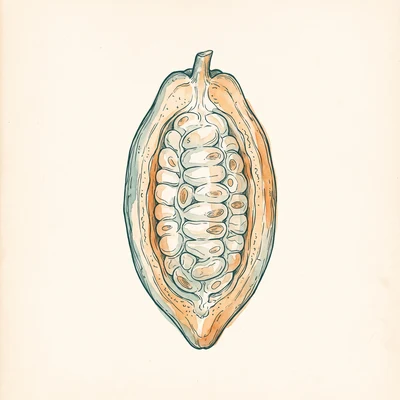
Cocoa
A drink with 494 mg of cocoa flavanols a day for four weeks raised bifidobacteria and lactobacilli, lowered clostridia and lowered blood triglycerides compared with a low-flavanol drink.31 This means cocoa, not sweetened chocolate.
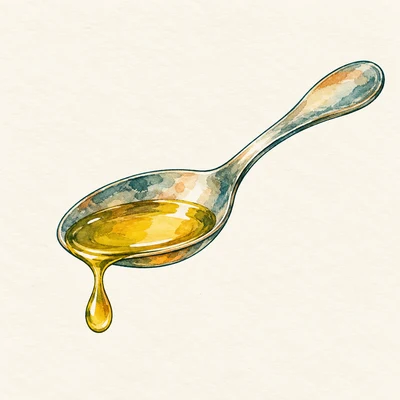
Virgin olive oil
In 12 adults, 25 mL a day for three weeks of three different virgin olive oils was compared. Only the oil enriched with olive and thyme phenols raised bifidobacteria, so the phenol content matters more than the oil itself.32
Why plant variety matters more than one superfood
A single food rarely changes much on its own. In the American Gut project, with samples from more than 10,000 people, those who ate more than 30 types of plants a week had more diverse gut bacteria than those who ate 10 or fewer, regardless of labels such as vegan.8
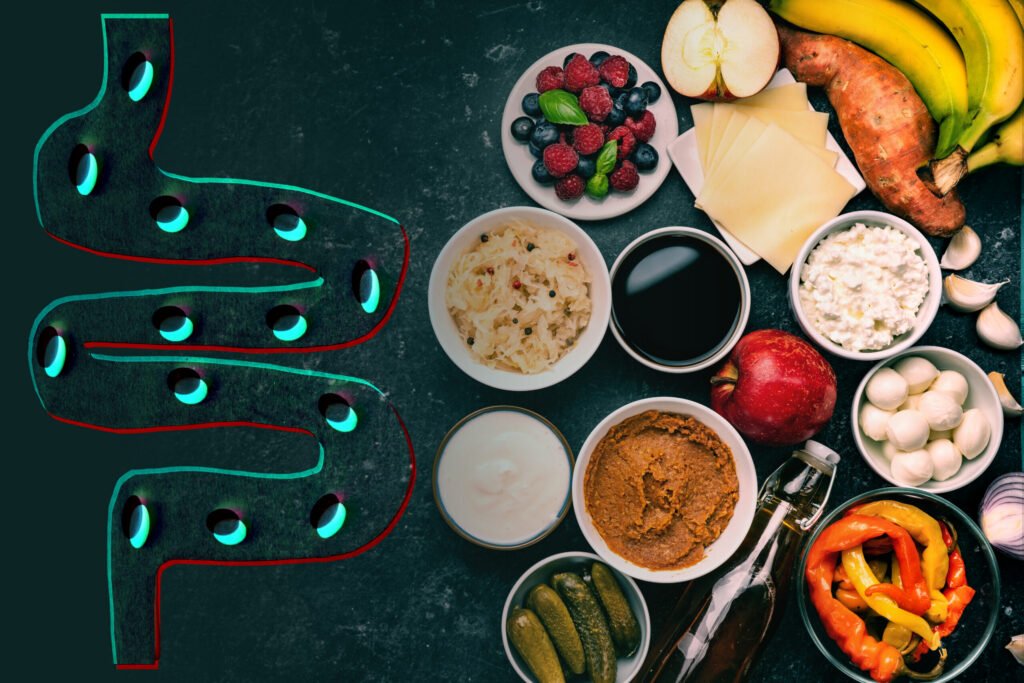
Herbs, spices, nuts, seeds, legumes and whole grains all count as plant types. A Mediterranean pattern built on them did the same over a year in older people: in a 12-month trial across five European countries, adherence shifted the microbiome toward taxa linked with lower frailty, better cognition and less inflammation.33 Seasonal eating adds variety on its own, because each season brings different produce.13
Infographic
Inulin vegetables
Two weeks of meals built on inulin-rich vegetables such as leeks raised Bifidobacterium in healthy adults.
Whole grain oats
Oat granola raised bifidobacteria and lactobacilli in adults with mild high cholesterol or glucose intolerance.
Fermented foods
In a 17-week trial, more fermented foods such as yogurt and kefir raised microbiome diversity and lowered inflammatory markers.
Plant variety
People who ate more than 30 plant types a week had more diverse gut bacteria than people who ate 10 or fewer.
Sources: Hiel et al. 2019, Connolly et al. 2016, Wastyk et al. 2021, McDonald et al. 2018.
gutpathways.com
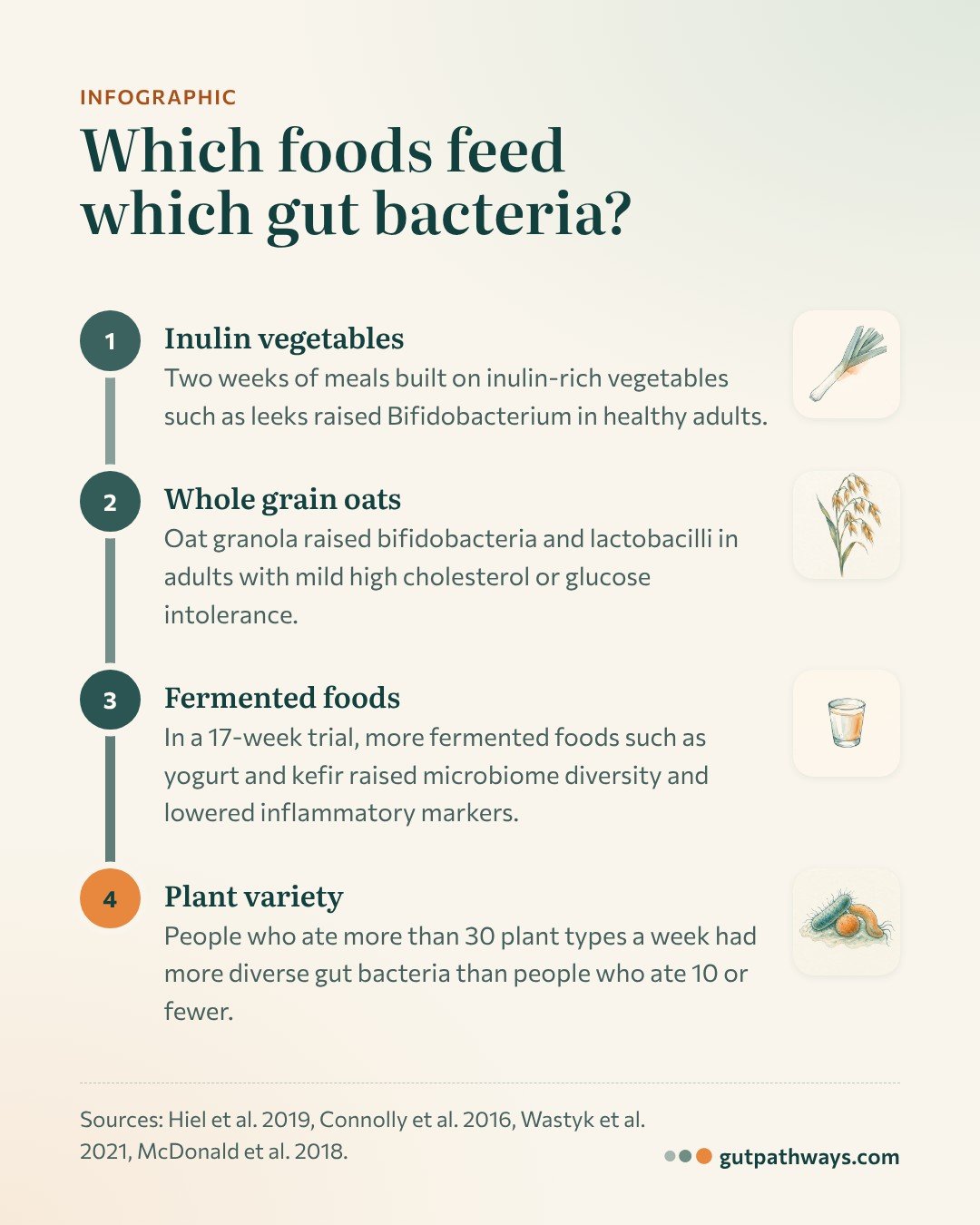 Save this infographicImage 4:5, with sources, from gutpathways.com
How cooking methods change fiber and gut bacteria
Boiling or steaming vegetables may soften some fibers and make them easier for gut microbes to reach, while roasting may act differently. Cooling cooked starch raises its resistant starch, as the potato study shows.23 Cooking also changes how much starch reaches the colon and which plant compounds survive, and both shape the microbiome.16
The practical rule is simple. Rotate raw, boiled, steamed, roasted and cooled versions of the same foods across the week, so your gut bacteria meet more than one fiber structure.
Fermented foods, prebiotics and probiotics for a healthy gut
Fermented foods such as kefir, sauerkraut, kimchi and miso carry live microbes, and they also bring the products of fermentation.29 Prebiotics are fibers that feed bacteria already in your gut, while probiotics are specific live strains. The effect of a probiotic depends on the strain, so results from one strain do not transfer to another.
For example, Lactobacillus rhamnosus GG shortened acute diarrhea in children by less than a day on average across trials.34 Bifidobacterium infantis 35624, at 1 x 10^8 CFU a day for four weeks, improved pain, bloating and bowel habits in women with IBS, while higher and lower doses did not beat placebo.35 For most people, though, food comes first and supplements second.
What the best foods for your microbiome look like on a table
Every gut microbiome is unique, and some people react to foods that others tolerate well. Conditions such as autoimmune disease, inflammatory bowel disease or increased gut permeability change the picture. Even so, the general direction is the same: feed the microbiome with a variety of plant fibers and keep the foods that irritate it to a minimum.
| Food | Main fiber or compound | What studies show |
|---|---|---|
| Apple | Pectin | Two a day raised bifidobacteria in a small study5 |
| Leeks and onions | Inulin | Inulin vegetables raised Bifidobacterium1 |
| Inulin in general | Inulin-type fructans | 8 g a day raised calcium absorption in adolescents20 |
| Whole grain oats and barley | Beta-glucan | Raised bifidobacteria, and beta-glucan itself lowers LDL cholesterol2, 21 |
| Almonds | Fiber in the skin | Raised Bifidobacterium and Lactobacillus4 |
| Asparagus | FOS | May feed bifidobacteria, few direct human data |
| Globe artichoke | Very-long-chain inulin | Raised bifidobacteria and lactobacilli19 |
| Raspberries | Soluble fiber, polyphenols | May feed lactobacilli, human data are limited |
The other side of the table matters too. Ultraprocessed foods tend to bring the ingredients that move the microbiome the wrong way.
| Junk food | Ingredient | Health effect |
|---|---|---|
| Soda | Added sugars, or sweeteners in diet versions | Linked with obesity and type 2 diabetes. Saccharin and sucralose altered the microbiome and blood glucose responses in a 2-week trial36 |
| Fried foods | Trans and oxidized fats | May harm the gut barrier and disturb the microbiota |
| Processed meats | Nitrates, sodium | Each 50 g a day went with 42% higher risk of coronary heart disease37 |
| Store-bought cakes | Added sugars, emulsifiers, preservatives | The emulsifier carboxymethylcellulose lowered microbiota diversity and short-chain fatty acids in a feeding trial38 |
| Fast food burgers | Saturated fat, sodium, little fiber | May favor bile-tolerant bacteria, as an animal-based diet did within days39 |
No artificial sweetener is neutral for the gut. In the trial above, even sweeteners taken below the acceptable daily intake changed the microbiome in each sweetener group.36 You can see where a diet heavy in junk food can lead in Antonis's proctitis case.
How to make food choices that support your gut
Small, repeated choices add up. In the practice where I work as a scientific collaborator, the plan always starts with food and habits, and supplements come later, if at all.
Fiber that arrives too fast can cause gas, especially in IBS. The timing of that gas is covered in bloating and gas after eating, and the low FODMAP question in post-infectious IBS diet.
Supporting digestion with the right foods
A healthy gut microbiome supports digestion, immunity and metabolism. Choosing specific foods from each group, eating many plant types, adding fermented foods and limiting processed foods and added sugars gives your gut bacteria the variety they need. Consistency matters more than any single meal.
Frequently asked questions
Focus on variety: vegetables rich in inulin such as leeks, onions and chicory, whole grains such as oats and barley, legumes, apples, berries, nuts and seeds. Fermented foods such as yogurt, kefir, sauerkraut, kimchi and miso add microbes of their own. In human trials, each of these groups shifted the gut microbiota in its own way.1, 2, 3, 7
Yes, for most people. In a 17-week trial, about six servings a day of fermented foods raised microbiome diversity and lowered inflammatory markers.7 People with histamine intolerance may react to some fermented foods, so they need a more careful start.
Eat a diet rich in different fibers, limit processed foods, added sugars and unhealthy fats, drink enough water and add fermented foods. The microbiome responds to a new diet within days, but it also returns quickly when the old diet comes back.39 After antibiotics, it does not return exactly to where it was, so recovery takes steady work over months. More in IBS after antibiotics.
Feed the bacteria you already have with fiber from many plant types, add fermented foods and cut back on ultraprocessed foods. More than 30 plant types a week went with a more diverse microbiome.8
A good choice is oatmeal or whole grain toast with almond butter, berries or a slightly green banana, and a serving of yogurt or kefir. A vegetable omelette with whole grain bread is another option.
It depends on your diet, lifestyle and health. Changes in composition start within days of a new diet,39 but a stable, balanced microbiome usually takes months of consistent eating. The recovery timeline is covered in how long it takes to heal gut dysbiosis.
References
39 studies
- Hiel S, Bindels LB, Pachikian BD, et al. Effects of a diet based on inulin-rich vegetables on gut health and nutritional behavior in healthy humans. Am J Clin Nutr. 2019.
- Connolly ML, Tzounis X, Tuohy KM, Lovegrove JA. Hypocholesterolemic and prebiotic effects of a whole-grain oat-based granola breakfast cereal in a cardio-metabolic "at risk" population. Front Microbiol. 2016.
- Fernando WM, Hill JE, Zello GA, et al. Diets supplemented with chickpea or its main oligosaccharide component raffinose modify faecal microbial composition in healthy adults. Benef Microbes. 2010.
- Liu Z, Lin X, Huang G, et al. Prebiotic effects of almonds and almond skins on intestinal microbiota in healthy adult humans. Anaerobe. 2014.
- Shinohara K, Ohashi Y, Kawasumi K, Terada A, Fujisawa T. Effect of apple intake on fecal microbiota and metabolites in humans. Anaerobe. 2010.
- Holscher HD, Guetterman HM, Swanson KS, et al. Walnut consumption alters the gastrointestinal microbiota, microbially derived secondary bile acids, and health markers in healthy adults: a randomized controlled trial. J Nutr. 2018.
- Wastyk HC, Fragiadakis GK, Perelman D, et al. Gut-microbiota-targeted diets modulate human immune status. Cell. 2021.
- McDonald D, Hyde E, Debelius JW, et al. American Gut: an open platform for citizen science microbiome research. mSystems. 2018.
- Tuohy KM, Conterno L, Gasperotti M, Viola R. Up-regulating the human intestinal microbiome using whole plant foods, polyphenols, and/or fiber. J Agric Food Chem. 2012.
- Le Bastard Q, Chapelet G, Javaudin F, et al. The effects of inulin on gut microbial composition: a systematic review of evidence from human studies. Eur J Clin Microbiol Infect Dis. 2020.
- Venkataraman A, Sieber JR, Schmidt AW, et al. Variable responses of human microbiomes to dietary supplementation with resistant starch. Microbiome. 2016.
- Russell WR, Gratz SW, Duncan SH, et al. High-protein, reduced-carbohydrate weight-loss diets promote metabolite profiles likely to be detrimental to colonic health. Am J Clin Nutr. 2011.
- Davenport ER, Mizrahi-Man O, Michelini K, et al. Seasonal variation in human gut microbiome composition. PLoS One. 2014.
- Smits SA, Leach J, Sonnenburg ED, et al. Seasonal cycling in the gut microbiome of the Hadza hunter-gatherers of Tanzania. Science. 2017.
- Stencel A. Do seasonal microbiome changes affect infection susceptibility, contributing to seasonal disease outbreaks? Bioessays. 2021.
- Carmody RN, Bisanz JE, Bowen BP, et al. Cooking shapes the structure and function of the gut microbiome. Nat Microbiol. 2019.
- Kleessen B, Schwarz S, Boehm A, et al. Jerusalem artichoke and chicory inulin in bakery products affect faecal microbiota of healthy volunteers. Br J Nutr. 2007.
- Kolida S, Meyer D, Gibson GR. A double-blind placebo-controlled study to establish the bifidogenic dose of inulin in healthy humans. Eur J Clin Nutr. 2007.
- Costabile A, Kolida S, Klinder A, et al. A double-blind, placebo-controlled, cross-over study to establish the bifidogenic effect of a very-long-chain inulin extracted from globe artichoke (Cynara scolymus) in healthy human subjects. Br J Nutr. 2010.
- Abrams SA, Griffin IJ, Hawthorne KM, et al. A combination of prebiotic short- and long-chain inulin-type fructans enhances calcium absorption and bone mineralization in young adolescents. Am J Clin Nutr. 2005.
- Whitehead A, Beck EJ, Tosh S, Wolever TM. Cholesterol-lowering effects of oat β-glucan: a meta-analysis of randomized controlled trials. Am J Clin Nutr. 2014.
- Martínez I, Lattimer JM, Hubach KL, et al. Gut microbiome composition is linked to whole grain-induced immunological improvements. ISME J. 2013.
- Raatz SK, Idso L, Johnson LK, Jackson MI, Combs GF Jr. Resistant starch analysis of commonly consumed potatoes: content varies by cooking method and service temperature but not by variety. Food Chem. 2016.
- Koutsos A, Riccadonna S, Ulaszewska MM, et al. Two apples a day lower serum cholesterol and improve cardiometabolic biomarkers in mildly hypercholesterolemic adults: a randomized, controlled, crossover trial. Am J Clin Nutr. 2020.
- Vendrame S, Guglielmetti S, Riso P, et al. Six-week consumption of a wild blueberry powder drink increases bifidobacteria in the human gut. J Agric Food Chem. 2011.
- Chey SW, Chey WD, Jackson K, Eswaran S. Exploratory comparative effectiveness trial of green kiwifruit, psyllium, or prunes in US patients with chronic constipation. Am J Gastroenterol. 2021.
- Blatchford P, Stoklosinski H, Eady S, et al. Consumption of kiwifruit capsules increases Faecalibacterium prausnitzii abundance in functionally constipated individuals: a randomised controlled human trial. J Nutr Sci. 2017.
- Holscher HD, Taylor AM, Swanson KS, Novotny JA, Baer DJ. Almond consumption and processing affects the composition of the gastrointestinal microbiota of healthy adult men and women: a randomized controlled trial. Nutrients. 2018.
- Leeuwendaal NK, Stanton C, O'Toole PW, Beresford TP. Fermented foods, health and the gut microbiome. Nutrients. 2022.
- Nielsen ES, Garnås E, Jensen KJ, et al. Lacto-fermented sauerkraut improves symptoms in IBS patients independent of product pasteurisation: a pilot study. Food Funct. 2018.
- Tzounis X, Rodriguez-Mateos A, Vulevic J, Gibson GR, Kwik-Uribe C, Spencer JP. Prebiotic evaluation of cocoa-derived flavanols in healthy humans by using a randomized, controlled, double-blind, crossover intervention study. Am J Clin Nutr. 2011.
- Martín-Peláez S, Mosele JI, Pizarro N, et al. Effect of virgin olive oil and thyme phenolic compounds on blood lipid profile: implications of human gut microbiota. Eur J Nutr. 2017.
- Ghosh TS, Rampelli S, Jeffery IB, et al. Mediterranean diet intervention alters the gut microbiome in older people reducing frailty and improving health status: the NU-AGE 1-year dietary intervention across five European countries. Gut. 2020.
- Szajewska H, Kołodziej M, Gieruszczak-Białek D, Skórka A, Ruszczyński M, Shamir R. Systematic review with meta-analysis: Lactobacillus rhamnosus GG for treating acute gastroenteritis in children, a 2019 update. Aliment Pharmacol Ther. 2019.
- Whorwell PJ, Altringer L, Morel J, et al. Efficacy of an encapsulated probiotic Bifidobacterium infantis 35624 in women with irritable bowel syndrome. Am J Gastroenterol. 2006.
- Suez J, Cohen Y, Valdés-Mas R, et al. Personalized microbiome-driven effects of non-nutritive sweeteners on human glucose tolerance. Cell. 2022.
- Micha R, Wallace SK, Mozaffarian D. Red and processed meat consumption and risk of incident coronary heart disease, stroke, and diabetes mellitus: a systematic review and meta-analysis. Circulation. 2010.
- Chassaing B, Compher C, Bonhomme B, et al. Randomized controlled-feeding study of dietary emulsifier carboxymethylcellulose reveals detrimental impacts on the gut microbiota and metabolome. Gastroenterology. 2022.
- David LA, Maurice CF, Carmody RN, et al. Diet rapidly and reproducibly alters the human gut microbiome. Nature. 2014.
Found this useful? Share it with someone who needs it.
Cite this article
Prevedoros, T. (2023, April 7). Best foods for gut health and the bacteria they feed. Gut Pathways. https://gutpathways.com/articles/best-foods-for-your-gut-microbiome/