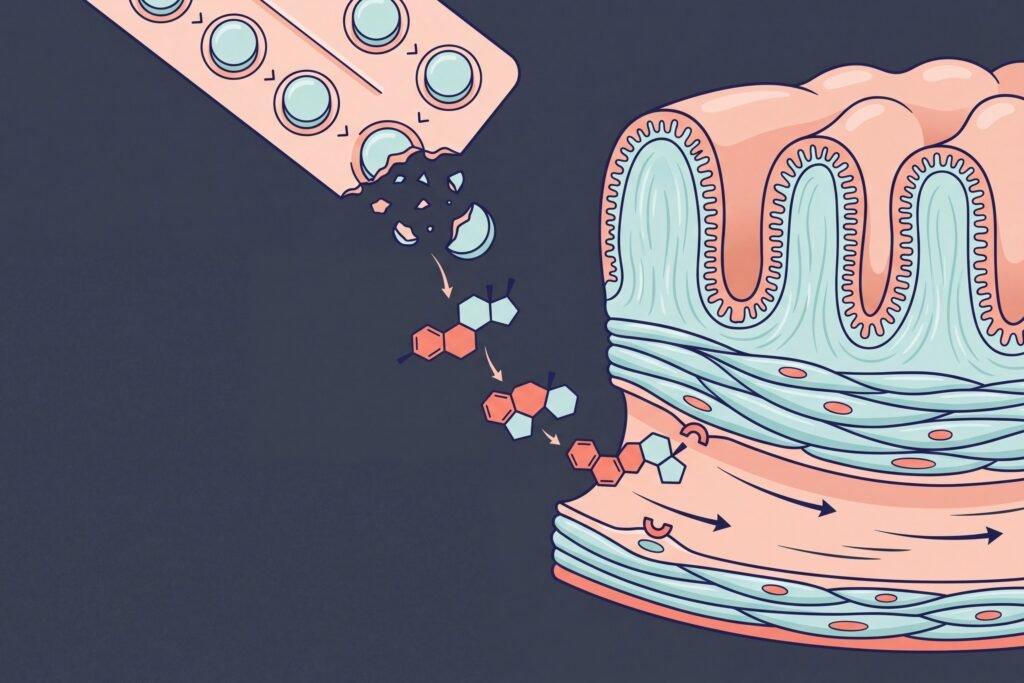
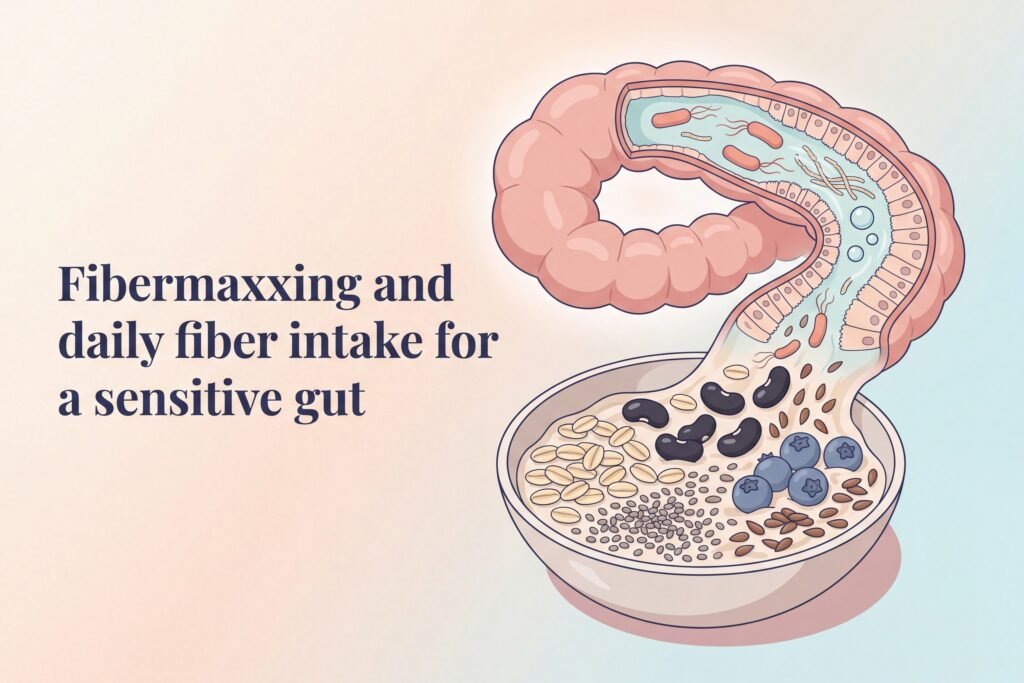
A daily glutamine habit fed Proteus and kept IBS going
This is case 3 in the book IBSyncrasy
Jason's bloating and itching began after a seafood meal, and the advice he got was to relax. His case is about L-glutamine and IBS, and shows how Proteus, histamine and a daily glutamine habit can keep IBS going. It also shows why his plan needed patience.
 Jason's casecase study
1DemographicsStop 1 of 8
Who Jason is
Jason is a man who came to the clinic where I work as a scientific collaborator about a year after his symptoms began. He took whey protein and glutamine supplements regularly.
- Man
- Symptoms for about a year
- Regular glutamine and whey protein
- Seafood meal as the trigger
- Rectal itching
Statistics from the practice for similar cases
- Number of cases
- >75
- Age range
- 30 to 50
- Success rate
- >80%
- Treatment duration
- 3 to 6 months
- Most common symptom
- Urgency
- Most common trigger
- Long-term glutamine intake
Average improvement score
Figures from the practice's own records of cases like this one, not from a published study.
His main complaints were urgency, loose stools, a constant feeling of incomplete emptying, stomach upset, itching and migraines. His full case is described in the book IBSyncrasy.
2IntroductionStop 2 of 8
What Proteus does in the gut
Proteus and Proteus-like bacteria are not part of a healthy gut community. They have many enzyme activities and can cause a range of IBS symptoms. The most common species found are Proteus mirabilis and Proteus vulgaris, and close relatives include Morganella morganii and Providencia rettgeri. Bacteria like these are known histamine producers, and histamine made by bacteria in spoiled fish is the cause of scombroid poisoning.3
| Product | Effect |
|---|---|
| Histamine | A biogenic amine that can also cause symptoms outside the gut, such as itching and headaches |
| Hydrogen sulfide | In large amounts, it irritates the gut lining and gives gas its smell |
| Urea breakdown and ammonia | Makes the normally acidic gut environment less acidic, which favors harmful bacteria |
| Gas | Flatulence and bloating |
Proteus can also move across surfaces in a coordinated way called swarming. In laboratory studies with Proteus mirabilis from urinary infections, swarming started in response to specific nutrients, and excess L-glutamine was one of them.1 For this reason, it makes sense to check for Proteus before glutamine is used in IBS with diarrhea. Glutamine itself is not the problem for most people. In a trial of people with post-infectious IBS with diarrhea and a leaky gut, glutamine helped 79.6% of them, against 5.8% on placebo.2 More on this question is in can glutamine cause diarrhea, and on the bacterium itself in Proteus mirabilis in stool.
3MeetingStop 3 of 8
Meeting Jason
Jason's symptoms started about a year before he came to see me. He was on holiday with his family in a rural part of Greece, and he remembers that bloating and itching first appeared the night after a seafood meal. He thought it would pass, but his symptoms got worse day by day, and he went to a doctor. In three hard months, he saw three gastroenterologists and a general practitioner, and they all gave the same answer: stress-induced IBS, and the advice to relax.
Looking back, four factors had built on each other.

Daily habits
His lifestyle gradually wore down the gut lining.
Strong antibiotics
Past antibiotic courses reduced the variety of his gut bacteria.
A seafood meal
The meal on holiday was the trigger, and Proteus took hold in a gut that was already vulnerable.
Avoiding fiber
Cutting out fiber starved the beneficial bacteria that feed on it.
4DiagnosticsStop 4 of 8
Diagnostics: a histamine overload?
From the start, I suspected that bacteria were overloading Jason's gut with histamine. A complete stool test came first. Besides a detailed look at his gut bacteria, it measured eosinophil proteins, markers of gut immunity and the fat, protein and starch in his stool. I also wanted to see the activity of DAO, the enzyme that breaks down histamine, and the histamine level in his blood. Histamine and the gut are discussed in the histamine intolerance and SIBO connection.
Histamine, a product of Proteus metabolism, increases colon contractions, and this is felt as urgency.
Heavy whey protein use and the histamine load in his gut both affect how the stomach regulates its acid.
The colon releases water and mucus, which makes stools loose and sometimes watery.
The constant activity of these bacteria makes the colon release water and mucus, so the urge to go comes with little stool to pass.
Other details completed his picture:
- Seafood meal as the trigger
- High-sulfur foods made it worse
- Rectal itching
- Heavy glutamine use
- Low-grade inflammation in the last part of the small intestine
5ResultsStop 5 of 8
Results: Proteus off the scale
Jason's results showed excess histamine in his gut and high secretory IgA, which pointed to a bacterium that releases large amounts of histamine. His stool test confirmed very high levels of Proteus vulgaris, above the upper limit of the method, with more than 25 cells in a microscope field where there should be none. About 10 markers of absorption and inflammation were well above normal.
Of the 10 results we reviewed, four guided the care plan.

Proteus vulgaris
A gram-negative bacterium that produces a lot of histamine. In practice, I often find it linked with low-grade inflammation in the last part of the small intestine, the terminal ileum.

Stool histamine
Large amounts of histamine increase stomach acid release, which causes discomfort, and histamine that reaches the blood can cause itching.

Fat in the stool
Too much fat in the stool (steatorrhea) causes loose stools and sometimes urgency.

High secretory IgA
High secretory IgA was probably a response to the Proteus colonization, which keeps the gut's immune defense busy.
6Care planStop 6 of 8
Care plan: a plan, not a quick fix
Jason's plan was built around the badly disturbed gut lining. In our assessment, it was this damaged lining and the altered gut environment that let Proteus settle in the first place, which then inflamed the ileum and produced histamine. Bloating, poor fat absorption and symptoms outside the gut followed.
In practice, this kind of plan often brings a few days of stronger symptoms at the start. I explain this as an effect of dying bacteria releasing more histamine and other compounds, an explanation from practice rather than from studies. Treatment options are covered in how to kill Proteus mirabilis naturally.
Every case is different, so Jason's plan describes his care and is not a plan for anyone else.
7Follow-upStop 7 of 8
Follow-up: migraines gone
The first thing Jason told me was that his migraines and itching were a thing of the past. As for his bowel, he still felt bloated, but not all day and less strongly than before. His stools stayed loose until day 24 of the plan, and in the last four days they had become more formed and complete.
He rated his improvement at 90%, while my own score was 70%. When people start to feel better, they sometimes rate their health very optimistically. I asked him to continue exactly as he was and to come back in two months. He returned with his wife, who confirmed his improvement. The link between histamine and migraine is explored in the migraine, IBS and histamine link.
8ConclusionStop 8 of 8
Conclusion: patience with Proteus
In my experience, Proteus is hard to clear, which is why plans in this setting usually take longer. People are often less patient, so communication between the practitioner and the person matters a great deal. It helps to explain from the start that this is not a short treatment but a plan that may last up to six months. Cases with Proteus are usually long-standing, so the damage to the gut ecosystem is greater. In general, these bacteria can settle in the ileum only when its pH, mucus layer and beneficial bacteria allow it. Once settled, they produce substances that favor their own growth and cause troublesome symptoms.
What Jason's case shows
- In my experience, Proteus is hard to clear, plans take longer, and the early flare of symptoms is stronger.
- Swarming is a typical behavior of Proteus, and in laboratory studies L-glutamine was one of its triggers.1
- People with Proteus who take a lot of whey protein or glutamine may be more prone to IBS with diarrhea, since glutamine is one of the signals for swarming.1
- Proteus produces hydrogen sulfide, ammonia and histamine, all of which can disturb the gut.
- Inflammation in the terminal ileum, which may be seen on colonoscopy, is often where Proteus is found in my practice.
Jason's case is also one of the stories behind what causes IBS in different people, where the same symptoms turn out to have different causes.
Frequently asked questions
For some people, yes. In a trial of people with post-infectious IBS with diarrhea and a leaky gut, glutamine improved symptoms in 79.6% of them, against 5.8% on placebo.2 In Jason's case, though, Proteus was present, and his heavy glutamine use was one of the factors we looked at.
It may for some people. In laboratory studies, L-glutamine was one of the signals that started Proteus mirabilis swarming.1 For this reason, it makes sense to check for Proteus before glutamine is used in IBS with diarrhea.
Proteus is a group of gut bacteria that are not part of a healthy gut community. They produce histamine, hydrogen sulfide and ammonia, and they can cause urgency, loose stools, smelly gas and itching.
Seafood can contain histamine made by bacteria, which causes scombroid poisoning.3 In Jason's case, his symptoms began the night after a seafood meal, and Proteus later took hold.
In my experience, longer than most gut bacteria. Jason's plan ran for several months, and similar plans can last up to six months.
References
3 studies
- Armbruster CE, Hodges SA, Mobley HL. Initiation of swarming motility by Proteus mirabilis occurs in response to specific cues present in urine and requires excess L-glutamine. J Bacteriol. 2013.
- Zhou Q, Verne ML, Fields JZ, et al. Randomised placebo-controlled trial of dietary glutamine supplements for postinfectious irritable bowel syndrome. Gut. 2019.
- Hungerford JM. Scombroid poisoning: a review. Toxicon. 2010.
Found this useful? Share it with someone who needs it.
Cite this article
Prevedoros, T. (2022, September 16). A daily glutamine habit fed Proteus and kept IBS going. Gut Pathways. https://gutpathways.com/case-studies/proteus-predominant-ibs/