Eating behaviors that ruin your gut microbiome
What you eat feeds your gut bacteria, but how and when you eat matters too. Chewing, meal timing, distraction and stress all change what reaches the colon, and the gut microbiome responds to each of them.

How do eating behaviors affect the gut microbiome?
We all know the saying that you are what you eat. However, your eating habits shape the trillions of microbes in your gut as well, alongside the food on the plate. The way you chew, the hour you eat and the state you eat in all change what reaches those microbes and when.
Food is the main factor that shapes the gut microbiome. In fact, fiber decides which bacteria recover after the gut community has been disturbed, and a diet without fiber holds that recovery back.8 Yet the form in which food arrives matters too.
Most gut bacteria live in the colon, and by one estimate the colon holds at least a hundred times more bacteria than any other organ, well over 95% of the total.9
Timing is the second lever. In 28 healthy adults, 35% of the bacterial groups in stool changed with the time of day, and eating frequency, early eating and the length of the overnight fast were all linked to specific bacteria.1 In mice and in people, gut bacteria follow a daily rhythm that depends on when we eat.2
How does the gut microbiome change throughout life?
The gut microbiome is a complex ecosystem of bacteria, viruses and fungi that live in the digestive tract. These microbes break down dietary fiber, make vitamins and protect us from harmful organisms. In children, the microbiome is unstable in early life and settles into an adult-like community by the age of three to four years.12
After that, the composition still shifts with diet, age, hormones and stress. Both the type of food and its texture influence which nutrients reach the colon. On top of that, hormonal disturbances, physical activity, inflammation and problems with the gut's own nervous system can disturb the microbiome, even when the food that reaches the colon is in perfect form.
Which eating habits may harm your gut microbiome?
Specific eating habits may affect the gut microbiome in different ways. Each habit below links a behavior with a possible disadvantage for the gut. Some links come from direct studies, while others rest on mechanisms and are written as possibilities, not proven effects.
How you eat
Chewing fast
Fast chewing leaves larger food particles. In a randomized study, 35% to 40% of chewed almond particles were still larger than half a millimeter, and most of the fat stayed locked inside intact cells.3 Less salivary amylase acts on starch as well.13 As a result, more intact food may reach the colon, which may make it harder for bacteria such as Bifidobacterium to ferment fiber into short-chain fatty acids such as butyrate. Eating fast is also linked with obesity.14
Watching screens while eating
Eating while distracted, for example in front of a TV, raises how much you eat later in the day, and it can raise intake during the meal too.5 In 2026, a meta-analysis of 50 studies confirmed the later effect. It also showed that passive distractions such as TV raised intake during the same meal, while more demanding tasks did not.6 Screen meals are also thought to raise ghrelin, the hunger hormone, and to lower Lactobacillus bacteria, although we found no studies that test these two links directly.
Eating standing up
Eating on your feet often goes with fast, unplanned eating. It may lower satiety signals such as leptin and lead to overeating, which may in turn upset the microbiome and reduce anti-inflammatory bacteria such as Faecalibacterium prausnitzii. These links rest on mechanisms, and direct studies are still missing.
Drinking water with meals
A glass of water does raise stomach pH, but only briefly. In healthy adults, 200 ml of water pushed gastric pH above 4 within a minute, and the effect lasted about three minutes.15 Large amounts with every meal may still dilute stomach acid for a while, which may affect digestion and the balance of bacteria such as Bacteroides. More on why acid matters is in why stomach acid matters more than an alkaline diet.
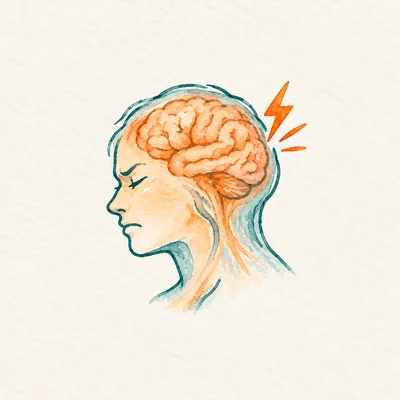
Eating while stressed
Stress changes eating patterns, leading to under- or overeating and a preference for sugary and fatty foods.10 Under prolonged physical and mental stress, gut permeability rose by 62% and more than half of the bacterial groups shifted.11 Stress hormones such as cortisol may slow digestion and affect fiber-fermenting bacteria such as Ruminococcus.
When you eat and move
Eating late at night
Gut bacteria follow a daily rhythm, and when feeding rhythms break down, as in jet lag, the microbiome becomes imbalanced.2 In a randomized crossover study, a late main meal inverted the daily rhythm of oral bacterial diversity.16 Late meals may also disturb bacteria such as Akkermansia muciniphila, which helps keep the gut barrier tight,17 as well as melatonin, cortisol and sleep.
Eating one meal per day
In a controlled trial, healthy adults who ate all their calories in one meal a day felt hungrier and had higher blood pressure and cholesterol than on three meals.18 Eating frequency is also linked to specific gut bacteria.1 One large meal may lower bacteria such as Roseburia, which produce short-chain fatty acids, although this has not been tested directly.
Grazing throughout the day
Constant snacking leaves no real fasting gap. In mice, time-restricted feeding partly restored the daily cycles of gut bacteria.19 In people, a longer overnight fast is linked to which bacteria thrive.1 Grazing may lower bacteria such as Eubacterium, which make short-chain fatty acids. Read more in is snacking bad for digestion.
Working out soon after a full meal
After a meal, blood flow to the gut rises to support digestion.20 Exercise reverses this, and mesenteric blood flow fell by 43% right after a treadmill session.21 Reduced gut blood flow is one of the main causes of gut symptoms during exercise.22 As a result, a workout right after eating may bring indigestion and bloating, and it may affect fiber fermenters such as Prevotella.
Lying down or sleeping after meals
Lying down soon after eating raises the risk of acid reflux. People who went to bed less than three hours after dinner had 7.45 times higher odds of reflux disease than those who waited four hours or more.7 Slower digestion may also affect bacteria such as Bifidobacterium longum, which breaks down fiber and helps regulate the immune system.
I eat dinner late, usually in front of the TV, and go to bed soon after. My stomach feels heavy every night. Could my habits be the problem?
They could be part of it. A late meal in front of a screen and a short gap before bed combine three habits linked to overeating, reflux and a disturbed daily rhythm of gut bacteria. Moving dinner earlier and eating it at the table is a simple first test, and two weeks are usually enough to see whether the heaviness changes.
Infographic
Fast chewing
Fast chewing leaves larger food particles, so more intact food may reach the colon.
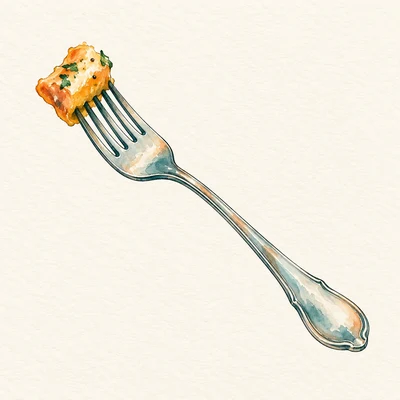
Eating with screens
Eating while distracted, for example in front of a TV, raises how much you eat later in the day.

Eating under stress
Under prolonged stress, gut permeability rose and more than half of the bacterial groups shifted in one study.
Meal timing
Gut bacteria follow a daily rhythm, and meal times and the overnight fast are linked to which bacteria thrive.
Sources: Grundy et al. 2015, Robinson et al. 2013, Karl et al. 2017, Kaczmarek et al. 2017.
gutpathways.com
 Save this infographicImage 4:5, with sources, from gutpathways.com
How can you improve your gut microbiome with better eating habits?
Small changes, kept steady, add up over time. So instead of a strict plan, think of a day built around seated meals, clear gaps and a long overnight fast. The example below puts the timing tips of this article on one strip.
- 08:00-08:20 Breakfast, seated and without screens
- 12:30-13:00 Lunch, at least 20 minutes, chewing slowly
- 15:30-16:15 Exercise, at least 2.5 hours after lunch
- 19:00-19:30 Dinner, at least 4 hours before bed
- 19:30-21:30 Stay upright for at least 2 hours after dinner
- 23:30-24:00 Sleep
An example built from the tips in this article. The times are a guide, not a rule.
Alongside the timing, a few habits at the table make a difference. In practice, these are the ones that are easiest to keep.
Aim for at least 20 minutes per meal. Longer chewing lowers hunger and food intake, possibly through gut hormones that signal fullness.4
Taking a seat encourages mindful eating and keeps you from rushing or stressing your digestive tract.
Opt for 3 balanced meals and 1 or 2 healthy snacks a day, with about 3 to 4 hours between them, so the gut gets real breaks.
A minute of slow breathing before a meal is one simple way to lower stress before digestion starts.
Use glass or stainless steel containers. Micro- and nanoplastics from food and packaging may disturb the gut microbiota, according to studies in cells and animals.23
Ready
Try it for one minute before you sit down to eat. Stop if you feel dizzy.
Does fasting starve gut bacteria?
No. Gut bacteria do not starve during a normal overnight fast. Instead, the fasting window is part of their daily rhythm, and its length is linked to which bacteria thrive.1, 19 During fasting, the gut also runs its cleaning wave, the migrating motor complex, which sweeps leftovers and bacteria down the small intestine.
Studies of intermittent fasting in people mostly found changes in microbial richness, diversity and composition. However, the bacteria that changed differed widely from study to study, so there is no single fasting pattern that suits everyone.24
What are the long-term effects of unhealthy eating habits on the gut microbiome?
Unhealthy eating behaviors can lead to lasting changes in the gut microbiome that are hard to correct. For example, a high-fat diet raised blood levels of lipopolysaccharides (LPS), fragments of bacterial walls, two to three times in four weeks in mice, enough to start inflammation, weight gain and insulin resistance.25
Another bacterial product, trimethylamine N-oxide (TMAO), is made from phosphatidylcholine, a nutrient found in foods such as eggs. Higher blood TMAO predicted heart attack, stroke and death over three years in more than 4,000 people.26 In addition, disrupted feeding rhythms and the dysbiosis that follows were linked to glucose intolerance and obesity.2 As a result, the effects can reach far beyond the gut.
What does this mean in practice?
In summary, the way you eat affects the health of your gut microbiome. Chew slowly, keep regular meal times, manage stress and avoid eating late at night or in front of a screen. These steps cost nothing, and you can test each one for a couple of weeks.
In the clinics where I work as a scientific collaborator, eating habits are part of the first conversation, next to the diet itself. Often, a change in timing helps a gut that has not responded to a change in food alone. If a structured plan for dysbiosis is needed, the order of steps is described in how long it takes to heal gut dysbiosis.
Frequently asked questions
Lying down soon after a meal raises the risk of reflux. People who went to bed less than three hours after dinner had much higher odds of reflux disease than those who waited four hours or more.7
Only for a short time. A glass of water raised stomach pH above 4 within a minute in healthy adults, but the effect lasted about three minutes. Large amounts at every meal may still dilute acid for a while.15
There is no fixed number for everyone. In studies, more chews per bite lowered hunger and food intake and raised gut hormones linked to fullness. Chewing until the food is soft and a meal lasting about 20 minutes are good practical targets.4
Yes. In healthy adults, eating frequency, early eating and the length of the overnight fast were linked to specific gut bacteria, and the bacteria changed over the course of the day.1
References
26 studies
- Kaczmarek JL, Musaad SM, Holscher HD. Time of day and eating behaviors are associated with the composition and function of the human gastrointestinal microbiota. Am J Clin Nutr. 2017.
- Thaiss CA, Zeevi D, Levy M, et al. Transkingdom control of microbiota diurnal oscillations promotes metabolic homeostasis. Cell. 2014.
- Grundy MM, Grassby T, Mandalari G, et al. Effect of mastication on lipid bioaccessibility of almonds in a randomized human study and its implications for digestion kinetics, metabolizable energy, and postprandial lipemia. Am J Clin Nutr. 2015.
- Miquel-Kergoat S, Azais-Braesco V, Burton-Freeman B, Hetherington MM. Effects of chewing on appetite, food intake and gut hormones: a systematic review and meta-analysis. Physiol Behav. 2015.
- Robinson E, Aveyard P, Daley A, et al. Eating attentively: a systematic review and meta-analysis of the effect of food intake memory and awareness on eating. Am J Clin Nutr. 2013.
- Gough T, Mann T, Ahmadyar K, et al. Eating while distracted: a systematic review and meta-analysis of the effect of distraction on concurrent and later energy intake in adults. Am J Clin Nutr. 2026.
- Fujiwara Y, Machida A, Watanabe Y, et al. Association between dinner-to-bed time and gastro-esophageal reflux disease. Am J Gastroenterol. 2005.
- Tanes C, Bittinger K, Gao Y, et al. Role of dietary fiber in the recovery of the human gut microbiome and its metabolome. Cell Host Microbe. 2021.
- Sender R, Fuchs S, Milo R. Revised estimates for the number of human and bacteria cells in the body. PLoS Biol. 2016.
- Torres SJ, Nowson CA. Relationship between stress, eating behavior, and obesity. Nutrition. 2007.
- Karl JP, Margolis LM, Madslien EH, et al. Changes in intestinal microbiota composition and metabolism coincide with increased intestinal permeability in young adults under prolonged physiological stress. Am J Physiol Gastrointest Liver Physiol. 2017.
- Kumbhare SV, Patangia DVV, Patil RH, et al. Factors influencing the gut microbiome in children: from infancy to childhood. J Biosci. 2019.
- Patricia JJ, Dhamoon AS. Physiology, Digestion. StatPearls. 2022.
- Ohkuma T, Hirakawa Y, Nakamura U, et al. Association between eating rate and obesity: a systematic review and meta-analysis. Int J Obes (Lond). 2015.
- Karamanolis G, Theofanidou I, Yiasemidou M, et al. A glass of water immediately increases gastric pH in healthy subjects. Dig Dis Sci. 2008.
- Collado MC, Engen PA, Bandín C, et al. Timing of food intake impacts daily rhythms of human salivary microbiota: a randomized, crossover study. FASEB J. 2018.
- Everard A, Belzer C, Geurts L, et al. Cross-talk between Akkermansia muciniphila and intestinal epithelium controls diet-induced obesity. Proc Natl Acad Sci U S A. 2013.
- Stote KS, Baer DJ, Spears K, et al. A controlled trial of reduced meal frequency without caloric restriction in healthy, normal-weight, middle-aged adults. Am J Clin Nutr. 2007.
- Zarrinpar A, Chaix A, Yooseph S, Panda S. Diet and feeding pattern affect the diurnal dynamics of the gut microbiome. Cell Metab. 2014.
- Kvietys PR. The Gastrointestinal Circulation. Morgan and Claypool Life Sciences. 2010. Chapter: Postprandial hyperemia.
- Qamar MI, Read AE. Effects of exercise on mesenteric blood flow in man. Gut. 1987.
- de Oliveira EP, Burini RC, Jeukendrup A. Gastrointestinal complaints during exercise: prevalence, etiology, and nutritional recommendations. Sports Med. 2014.
- Covello C, Di Vincenzo F, Cammarota G, Pizzoferrato M. Micro(nano)plastics and their potential impact on human gut health: a narrative review. Curr Issues Mol Biol. 2024.
- Paukkonen I, Törrönen EN, Lok J, Schwab U, El-Nezami H. The impact of intermittent fasting on gut microbiota: a systematic review of human studies. Front Nutr. 2024.
- Cani PD, Amar J, Iglesias MA, et al. Metabolic endotoxemia initiates obesity and insulin resistance. Diabetes. 2007.
- Tang WH, Wang Z, Levison BS, et al. Intestinal microbial metabolism of phosphatidylcholine and cardiovascular risk. N Engl J Med. 2013.
Found this useful? Share it with someone who needs it.
Cite this article
Prevedoros, T. (2023, April 8). Eating behaviors that ruin your gut microbiome. Gut Pathways. https://gutpathways.com/articles/eating-behaviors-and-gut-microbiome/