How gut health shapes acne through the gut-skin axis
Acne shows up on the skin, yet part of the story may start inside. People with acne often carry a different gut microbiome, and the gut-skin axis links gut bacteria, hormones and inflammation to breakouts.

Is acne linked to gut health?
Picture this. A big event is coming up and, like an uninvited guest, a breakout shows up to crash the party. Acne can hurt self-esteem and leave scars, and many people feel they have tried every product on the shelf. What if part of the answer to healthy skin lies in the gut?
The idea is older than it sounds. In the 1930s, the dermatologists John Stokes and Donald Pillsbury proposed that stress could change the gut bacteria, make the gut wall leakier and feed inflammation in the skin.9 Today, studies that sequence stool support part of that idea.
In 43 people with acne and 43 controls, gut microbial diversity was lower in acne, with fewer Clostridia, Lachnospiraceae and Ruminococcaceae, bacteria that are usually considered beneficial.1 A second study of 31 people with moderate to severe acne found less Bifidobacterium, Lactobacillus and Butyricicoccus.2 In 2026, a pilot study that sampled both the face and the stool found that gut changes were larger than skin changes.3
A genetic approach called Mendelian randomization adds a hint about direction. People whose genes favor more Bifidobacterium had a lower risk of acne, and the link held after accounting for diet.10 Even so, these studies are small or indirect, and they show an association, not proof that gut bacteria cause acne.
How does the gut-skin axis work?
The gut-skin axis is the two-way link between the gut microbiome and the skin, through the immune system, hormones and molecules made by bacteria.11 The original article followed it as a journey through five stations.
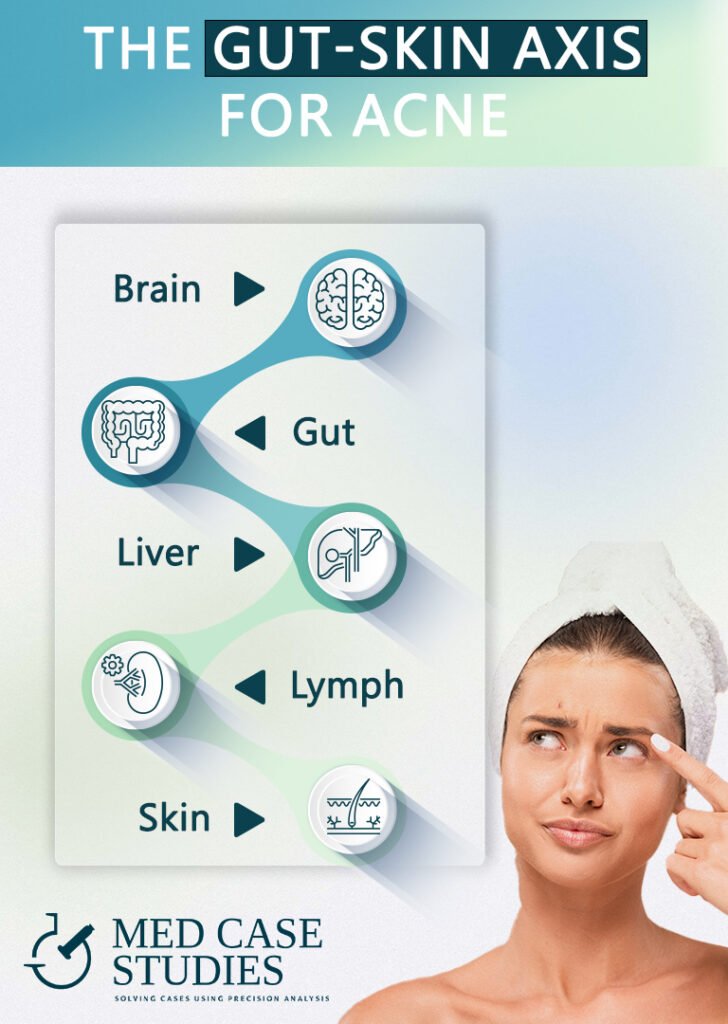
Brain
The brain is the first station of the gut-skin axis for acne.
Gut
The gut is the second station, linked with the brain.
Liver
The liver is the third station.
Lymph
Lymph is the fourth station.
Skin
The skin is the last station of the path.
- 1
The brain, the nerve center of acne
Stress signals from the brain can raise hormones such as cortisol, which may disturb the balance of microbes in the gut. That imbalance can drive a stronger immune response and widespread low-grade inflammation, a central player in acne vulgaris.9 In students, acne got worse during exam periods, in step with rising stress scores.12
- 2
The digestive tract, the start of the axis
The gut hosts a balanced ecosystem of microbes that helps regulate the immune response. Some strains, once they grow out of check, can make metabolites that may influence sebocytes, the cells that produce sebum.9 Excess sebum is a major contributor to inflammatory acne.
- 3
The liver, the metabolic engine
The liver is linked to the gut through the enterohepatic circulation and manages bile flow, which matters for fat digestion and for clearing waste. It is thought that a gut imbalance may affect bile flow in people with acne and lead to a buildup of unwanted substances that reach the skin, although this step has not been measured directly.
- 4
The lymphatic system, a vital conduit
The gut-associated lymphoid tissue (GALT) is the largest immune organ in the body, and the state of the gut shapes how it works. An overactive response in the GALT may spread through the lymphatic system as systemic inflammation and affect the skin.13
- 5
The skin, the final destination
The skin is where acne becomes visible. The skin microbiome also talks with the gut microbiota through the axis. An imbalanced gut, low-grade inflammation and an overactive immune response can all shift the skin microbiome, sebum production and skin balance, a pattern seen in acne vulgaris and in other skin conditions.14, 11
Does leaky gut cause acne?
"Leaky gut" describes a gut wall that lets more bacterial fragments pass into the blood than it should. Its role in acne is not settled, yet one 2026 study measured it directly. In 77 people with acne and 77 matched controls, serum I-FABP, a protein released when gut lining cells are damaged, was higher in acne (32.0 vs 22.8 pg/ml), and it rose step by step from mild to very severe acne.4
In a Turkish case-control study, a blood marker of gut barrier damage tracked closely with acne severity (r = 0.80). This supports a barrier link but cannot show which came first.4
Maria's case and how her skin cleared with gut care
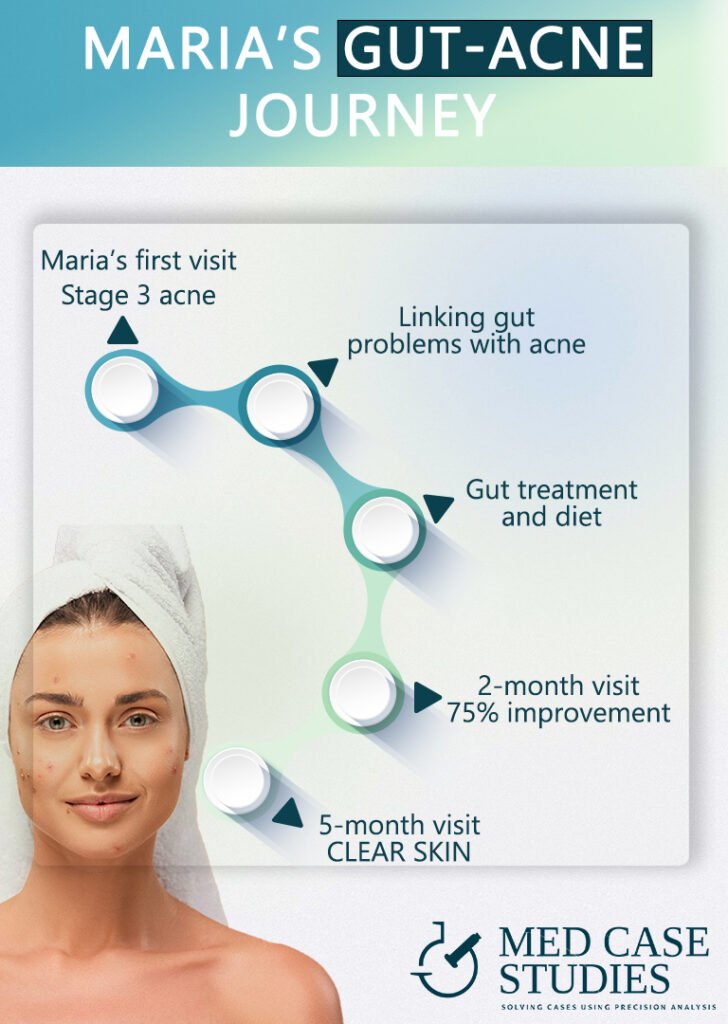
Maria's first visit
Stage 3 acne.
Linking gut problems with acne
The gut problems are linked with the acne.
Gut treatment and diet
Maria started a gut treatment and a diet.
2-month visit
75% improvement.
5-month visit
Clear skin.
Maria, three years of severe acne and IBS
For three years, Maria had lived with two conditions that seemed unrelated, severe acne and chronic irritable bowel syndrome (IBS).
- First visit
Her acne had moved from mild to moderate to stage 3, with inflamed cysts and nodules that left her face red and irritated. Her chronic IBS lowered her quality of life even further.
- The thinking
Conventional acne treatment had not given her lasting relief. Because the root of both problems could sit in her gut ecosystem, a different approach was taken.
- The gut plan
In this case, Maria received a selected mix of live microorganisms, nutrients for the gut lining and an antimicrobial blend.
- Diet
For the first two months she followed a diet free of dairy and wheat, built on seasonal fruit, vegetables and lean protein.
- Lifestyle
Stress management, enough sleep and regular physical activity were part of the same plan.
- Result
Her gut symptoms eased step by step, and so did the redness and inflammation on her skin. At two months her acne had improved by about three quarters. Full clearing came after five months on the diet, and her skin stayed clear even after she brought back some dairy and wheat.
Every case is different, and one case cannot prove a rule. Still, it shows how care for the gut can reach far beyond the gut itself.
Which gut metabolites help or harm the skin?
Gut bacteria make molecules that travel in the blood, and some of them can help or harm the skin.15

- Short-chain fatty acids (SCFAs)Skin barrier and sebum balance
Made when gut bacteria ferment dietary fiber. They may help maintain the skin barrier and regulate sebum, lowering the chance of pimples.
- Urolithin AStronger outer skin barrier
Made by gut bacteria from polyphenols in pomegranates and walnuts. Thought to help keratinocytes mature and raise barrier proteins such as filaggrin and involucrin.
- Lipopolysaccharides (LPS)Clogged pores and comedones
Part of the outer wall of some bacteria. May trigger skin inflammation and faster keratinocyte growth, so pores clog and form comedones.
- Arachidonic acid productsPapules and pustules
Come from fats in the diet. Feed prostaglandins and leukotrienes, which can turn a clogged pore into a pustule full of pus.
HelpfulHarmful
A simplified picture. Most of these effects come from laboratory and animal work, not from trials in people.
Good metabolites
SCFAs form when gut bacteria ferment dietary fiber. They may help maintain the skin barrier and regulate sebum production, and so lower the chance of pimples.15 Urolithin A, which gut bacteria make from polyphenols in foods such as pomegranates and walnuts, is thought to support the outer skin barrier by helping keratinocytes mature and by raising barrier proteins such as filaggrin and involucrin.
Bad metabolites
On the other hand, LPS from bacterial walls can start an inflammatory response in the skin. This may speed up the growth of keratinocytes, so pores clog and form comedones. Arachidonic acid feeds the production of inflammatory mediators such as prostaglandins and leukotrienes, which can turn a clogged pore into a pustule. In a small trial, blocking leukotriene production with the drug zileuton reduced inflammatory acne lesions.16
How do hormones affect the gut and acne?
The gut microbiota also follows the hormonal rhythms of the body. Hormonal imbalances such as insulin resistance and polycystic ovary syndrome (PCOS) can change gut function and may worsen acne.
| Acne-related hormone | Bacterial strain proposed |
|---|---|
| Insulin | Bacteroides vulgatus |
| Testosterone | Cutibacterium acnes |
| Estrogen | Lactobacillus reuteri |
| Progesterone | Bifidobacterium longum |
| Cortisol | Lactobacillus acidophilus |
Insulin resistance, a state where cells do not respond well to insulin, can alter the gut microbes and create a more inflammatory setting. In a randomized trial, a low-glycemic-load diet cut acne lesions by about twice as much as a control diet over 12 weeks (-23.5 vs -12.0 lesions) and improved insulin sensitivity.6
PCOS can affect the gut as well. Women with PCOS had a less diverse stool microbiome in a pilot study.17 One theory proposes that a poor diet changes the gut bacteria, lets more LPS through the gut wall and raises insulin, which in turn pushes the ovaries to make more androgens, the hormones behind acne in PCOS.18
Why do contraceptives clear acne only for a while?
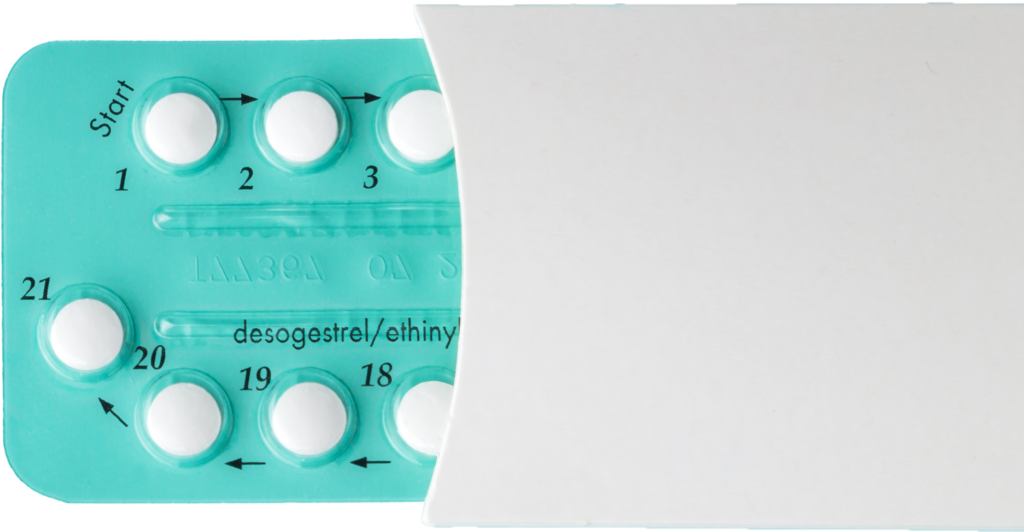
The combined pill can seem like a magic fix. Across nine placebo-controlled trials, combined oral contraceptives reduced acne lesions and severity.19 The pill suppresses the body's own hormones and replaces them with synthetic estrogen and progestogen. The estrogen lowers sebum (oil) production, and that effect lasts only as long as the pill is taken.
When the pill stops, the reproductive system returns to its own rhythm, and acne can come back. This is often explained by a rebound in sebum and a temporary surge of androgens as the ovaries restart. Post-pill acne is commonly described as peaking about six months after stopping and lasting up to a year or more, although these timings come from clinical experience rather than published studies.
Which foods can disrupt the gut and aggravate acne?
Diet plays a big part in a healthy gut, and the gut in turn can affect the skin. Certain foods may disrupt the gut microbiome, which may lead to a leaky gut, skin inflammation and worse acne. Identifying the culprits and adjusting the diet may support gut diversity and reduce acne.
Refined sugars and sweeteners in sodas, juices and processed foods raise blood sugar, which leads to more insulin and more sebum, both linked to acne. In 24,452 French adults, sugary drinks went with higher odds of current acne (aOR 1.18).20
The link between fast food and acne is not fully understood, but teenagers who eat a lot of burgers and fries often report skin problems. In adults, fatty and sugary products went with higher odds of acne (aOR 1.54).20
Fried foods and high-fat items such as bacon and burgers may trigger pimples because of their excess fat.
Whey may make skin cells grow and divide faster and raises insulin, and both may contribute to acne. Six teenage boys developed acne only on the trunk after taking whey supplements for bodybuilding.22
Breads, pasta, cereals and rice noodles made with white flour have a high glycemic index. They raise blood sugar, which can increase sebum and speed up skin cell growth.6
Does dairy cause acne?
Dairy does not cause acne in everyone, yet the link is one of the most consistent in diet research. A meta-analysis of 14 studies and 78,529 young people found 25% higher odds of acne with any dairy and 32% higher odds with low-fat or skim milk.5
The risk also rose with frequency, from 41% higher odds with one glass of milk a day to 43% with two or more.5 A second meta-analysis agreed on milk but found no link with yogurt or cheese, and both studies came from observational data, which cannot prove cause.21
Do probiotics and prebiotics help acne?
Several studies have looked at probiotics and related compounds for acne.23 In an open-label trial, adding an oral probiotic to the antibiotic minocycline gave the greatest drop in acne lesions, and fewer side effects from the antibiotic.24 Other work showed that specific probiotics and natural compounds may slow acne bacteria, calm inflammation and support skin health, although most of it was done in the laboratory, in animals or with creams on the skin.
| Study | What it tested | Main finding |
|---|---|---|
| Jung et al. 2013 | Oral probiotic with or without minocycline, open-label trial in people | Probiotic plus antibiotic reduced acne lesions the most and limited antibiotic side effects.24 |
| Al-Ghazzewi et al. 2010 | Probiotics and konjac glucomannan hydrolysates, laboratory study | Inhibited the growth of the acne bacterium, a reason to study them further.25 |
| Kang et al. 2009 | Lotion with an extract of E. faecalis SL-5, laboratory work and a trial on the skin | Reduced inflammatory lesions such as pustules compared with a placebo lotion.26 |
| Tsai et al. 2021 | Heat-killed L. plantarum-GMNL6, laboratory work and a cream used on the face | Slowed acne bacteria in the laboratory and changed the skin microbiome.27 |
| Espinoza-Monje et al. 2021 | Weissella viridescens UCO-SMC3, laboratory, mice and a pilot cream | Oral or topical use calmed inflammation in mice, and the cream reduced acne lesions in volunteers.28 |
| Kim et al. | Probiotic lactic acid bacteria with Curcuma longa extract, laboratory study | Showed a cooperative antibacterial effect against C. acnes.29 |
The strongest human trial in the original list is newer than most of the above. In 20 adults, 12 weeks of Lactobacillus rhamnosus SP1 improved acne and normalized skin genes involved in insulin signaling.30
What does the evidence show by 2026? A systematic review of 33 studies with 2,112 people found that prebiotics, probiotics and postbiotics were safe and went with lesion reductions of 37% to 50%.7 A stricter 2026 meta-analysis of five randomized trials, however, found no clear benefit of Lactobacillus products over placebo or benzoyl peroxide.8 For now, probiotics look like a reasonable part of a gut-focused plan, not a stand-alone acne treatment.
Practical tips for gut health and acne
These steps come from daily practice and from the research above. They work best together, over weeks, and none of them replaces a dermatologist's advice.
Eat clean
Focus on whole, unprocessed foods rich in nutrients and fiber, which promote a balanced gut ecology.
Cut down on dairy
Dairy may add to inflammation and worsen acne in some people. In practice, keeping dairy to about twice a week is a useful start.5
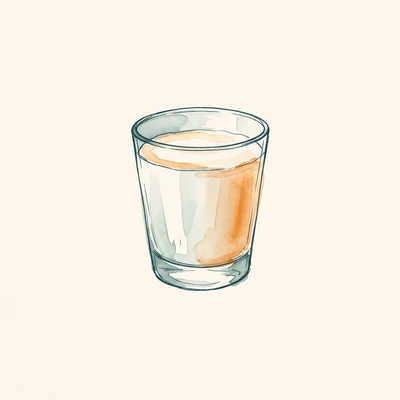
Eat fermented foods
Kimchi, sauerkraut and kefir bring live bacteria into the gut.
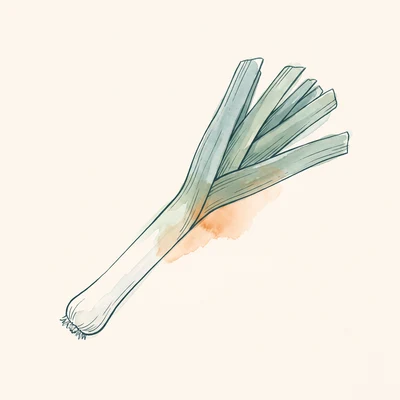
Increase fiber
Add a salad as a side plate to every meal. Fiber from fruit, vegetables and whole grains feeds a diverse gut microbiome.
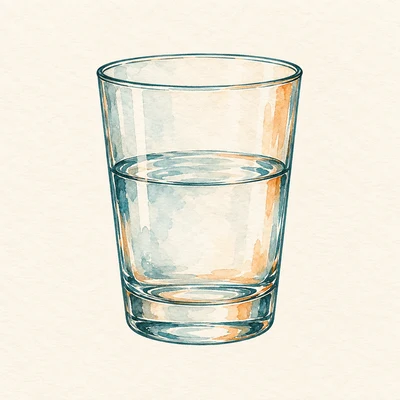
Drink enough water
Aim for about 10 glasses of water a day, with at least 6 of them before noon. Hydration supports a healthy gut environment.
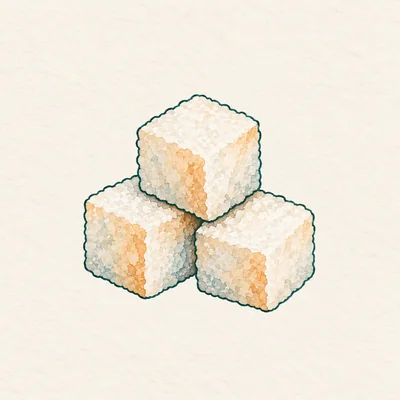
Limit sugar
Try a month without added sugar. Too much sugar can harm the gut microbiome and is linked to acne.20
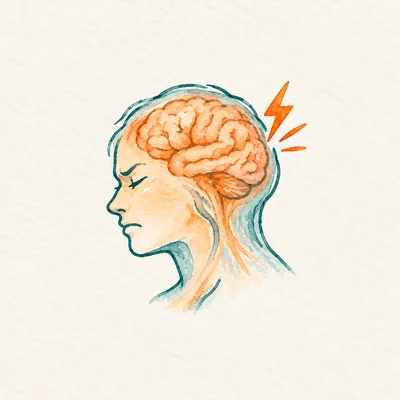
Manage stress
Stress can disturb the gut microbiome and may worsen acne, so meditation or exercise can help.12
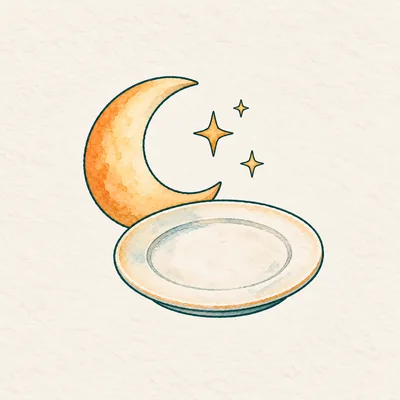
Eat dinner before 19:00
An earlier dinner may lower night-time sebum production. The idea is that the gut microbiome affects sebum, which follows the skin's circadian rhythm.

Sleep before 23:00 at least twice a week
Going to bed earlier uses the full melatonin window. Melatonin has anti-inflammatory and antioxidant effects, and in 2026 poor sleep explained about a fifth of the link between stress and acne in students.31
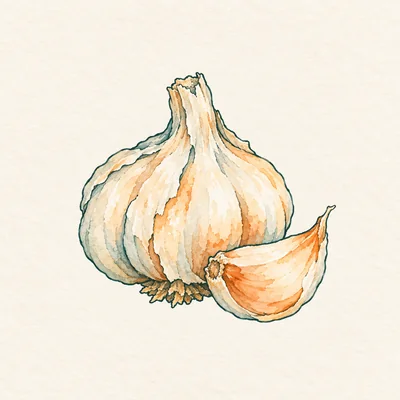
Add prebiotic foods
Garlic, onions and leeks feed beneficial gut bacteria, which may influence acne.

Eat polyphenol-rich foods
Berries, green tea and endives support a diverse gut microbiome and may help acne by lowering inflammation and oxidative stress.
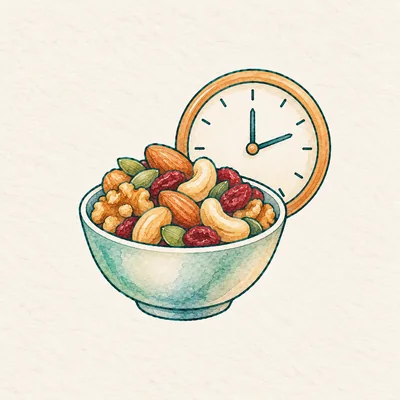
Try intermittent fasting
Intermittent fasting may help regulate gut bacteria and inflammation. Fasting windows such as 16:8 or 14:10 can be tested to find the best fit.

Sip green tea
Green tea is rich in antioxidants. In a trial of 80 women with acne, green tea extract reduced inflammatory lesions on the nose, around the mouth and on the chin.32 Its catechin EGCG is thought to raise gut microbial diversity.
What I have seen with acne in practice
Over the years, the medical practice where I work as a scientific collaborator has seen more than 3,000 cases related to gut health. Many clients, mostly young women, came for gut problems without linking them to their acne. As we worked on their gut microbiome, a pattern emerged. Many reported better gut symptoms and also a visible change in their skin, and in some the acne cleared.
This pattern pushed me to study the gut-skin connection more closely. The journey has been rewarding and eye-opening, because it shows how care for the gut can change both inner health and outward appearance.
Frequently asked questions
A diet rich in fiber and fermented foods, less sugar and dairy, enough sleep and stress management all support the gut microbiome. In practice, a dairy- and wheat-free period can help, and skin may get a little worse at the start. Fasting and an antimicrobial blend may also help reset the gut flora, best with professional guidance.6, 5
It has not been proven. However, a 2026 study found higher I-FABP, a marker of gut lining damage, in people with acne, and levels rose with acne severity.4
Not in everyone, but milk, including skim milk, went with about 25% to 32% higher odds of acne in a meta-analysis of 78,529 young people.5
It is commonly described as peaking about six months after stopping the pill and lasting up to a year or more. These timings come from clinical experience, and published data are limited.
References
32 studies
- Deng Y, Wang H, Zhou J, et al. Patients with acne vulgaris have a distinct gut microbiota in comparison with healthy controls. Acta Derm Venereol. 2018.
- Yan HM, Zhao HJ, Guo DY, et al. Gut microbiota alterations in moderate to severe acne vulgaris patients. J Dermatol. 2018.
- Lesiak A, Krawczyk A, Piasta J, et al. Gut and skin dysbiosis in acne vulgaris: a comparative microbiome analysis. Front Cell Infect Microbiol. 2026.
- Aksoy Saraç G, Celik B, Kaya M, et al. Association between intestinal fatty acid-binding protein and acne severity: evidence for gut barrier dysfunction in acne vulgaris. Acta Dermatovenerol Alp Pannonica Adriat. 2026.
- Juhl CR, Bergholdt HKM, Miller IM, et al. Dairy intake and acne vulgaris: a systematic review and meta-analysis of 78,529 children, adolescents, and young adults. Nutrients. 2018.
- Smith RN, Mann NJ, Braue A, et al. A low-glycemic-load diet improves symptoms in acne vulgaris patients: a randomized controlled trial. Am J Clin Nutr. 2007.
- Warp PV, Bilik SM, Ferrari LM, et al. Prebiotics, probiotics, and postbiotics for acne vulgaris: a systematic review. Dermatol Ther (Heidelb). 2026.
- Abedin ZU, Shah A, Mazhar S, et al. Lactobacillus-based microbiome therapy for acne vulgaris: a GRADE systematic review and meta-analysis of randomized controlled trials. J Cosmet Dermatol. 2026.
- Bowe W, Patel NB, Logan AC. Acne vulgaris, probiotics and the gut-brain-skin axis: from anecdote to translational medicine. Benef Microbes. 2014.
- Cao F, Ogonowski NS, Díaz-Torres S, et al. Unravelling the causal link between gut microbiota and acne risk using a genetic approach. Skin Health Dis. 2025.
- Salem I, Ramser A, Isham N, et al. The gut microbiome as a major regulator of the gut-skin axis. Front Microbiol. 2018.
- Chiu A, Chon SY, Kimball AB. The response of skin disease to stress: changes in the severity of acne vulgaris as affected by examination stress. Arch Dermatol. 2003.
- Polkowska-Pruszyńska B, Gerkowicz A, Krasowska D. The gut microbiome alterations in allergic and inflammatory skin diseases, an update. J Eur Acad Dermatol Venereol. 2020.
- O'Neill AM, Gallo RL. Host-microbiome interactions and recent progress into understanding the biology of acne vulgaris. Microbiome. 2018.
- Stec A, Sikora M, Maciejewska M, et al. Bacterial metabolites: a link between gut microbiota and dermatological diseases. Int J Mol Sci. 2023.
- Zouboulis CC. Zileuton, a new efficient and safe systemic anti-acne drug. Dermatoendocrinol. 2009.
- Lindheim L, Bashir M, Münzker J, et al. Alterations in gut microbiome composition and barrier function are associated with reproductive and metabolic defects in women with polycystic ovary syndrome (PCOS): a pilot study. PLoS One. 2017.
- Tremellen K, Pearce K. Dysbiosis of Gut Microbiota (DOGMA), a novel theory for the development of polycystic ovarian syndrome. Med Hypotheses. 2012.
- Arowojolu AO, Gallo MF, Lopez LM, et al. Combined oral contraceptive pills for treatment of acne. Cochrane Database Syst Rev. 2012.
- Penso L, Touvier M, Deschasaux M, et al. Association between adult acne and dietary behaviors: findings from the NutriNet-Santé prospective cohort study. JAMA Dermatol. 2020.
- Aghasi M, Golzarand M, Shab-Bidar S, et al. Dairy intake and acne development: a meta-analysis of observational studies. Clin Nutr. 2019.
- Cengiz FP, Cevirgen Cemil B, Emiroglu N, et al. Acne located on the trunk, whey protein supplementation: is there any association? Health Promot Perspect. 2017.
- Goodarzi A, Mozafarpoor S, Bodaghabadi M, et al. The potential of probiotics for treating acne vulgaris: a review of literature on acne and microbiota. Dermatol Ther. 2020.
- Jung GW, Tse JE, Guiha I, et al. Prospective, randomized, open-label trial comparing the safety, efficacy, and tolerability of an acne treatment regimen with and without a probiotic supplement and minocycline in subjects with mild to moderate acne. J Cutan Med Surg. 2013.
- Al-Ghazzewi FH, Tester RF. Effect of konjac glucomannan hydrolysates and probiotics on the growth of the skin bacterium Propionibacterium acnes in vitro. Int J Cosmet Sci. 2010.
- Kang BS, Seo JG, Lee GS, et al. Antimicrobial activity of enterocins from Enterococcus faecalis SL-5 against Propionibacterium acnes, the causative agent in acne vulgaris, and its therapeutic effect. J Microbiol. 2009.
- Tsai WH, Chou CH, Chiang YJ, et al. Regulatory effects of Lactobacillus plantarum-GMNL6 on human skin health by improving skin microbiome. Int J Med Sci. 2021.
- Espinoza-Monje M, Campos J, Alvarez Villamil E, et al. Characterization of Weissella viridescens UCO-SMC3 as a potential probiotic for the skin: its beneficial role in the pathogenesis of acne vulgaris. Microorganisms. 2021.
- Kim J, et al. Combination of probiotic lactic acid bacteria and Curcuma longa extract against Cutibacterium acnes (MDPI journal, not indexed in PubMed).
- Fabbrocini G, Bertona M, Picazo Ó, et al. Supplementation with Lactobacillus rhamnosus SP1 normalises skin expression of genes implicated in insulin signalling and improves adult acne. Benef Microbes. 2016.
- Chen MH, Ma L, Chen LQ, et al. Mediating effect of sleep quality on the association between psychological stress and acne vulgaris in Chinese college students: a cross-sectional study. Healthcare (Basel). 2026.
- Lu PH, Hsu CH. Does supplementation with green tea extract improve acne in post-adolescent women? A randomized, double-blind, and placebo-controlled clinical trial. Complement Ther Med. 2016.
Found this useful? Share it with someone who needs it.
Cite this article
Prevedoros, T. (2023, April 12). How gut health shapes acne through the gut-skin axis. Gut Pathways. https://gutpathways.com/articles/acne-treatment-starts-with-the-microbiome/