Thyroxine did not settle IBS and reflux in Hashimoto's
A 25-year-old woman had lifelong constipation, new reflux and Hashimoto's thyroiditis. Her case of hypothyroidism and SIBO shows how a slower cleaning wave in the small intestine links the thyroid with bacterial overgrowth.
 Katherine's casecase study
The main cleaning mechanism of the small intestine is called the migrating motor complex (MMC). It is tightly controlled by the central nervous system and carried by the largest nerve of the body, the vagus nerve. Several factors can interfere with it, delay it or even stop it, which leads to bacterial overgrowth in the small intestine and to both upper and lower gut symptoms. Katherine met many of the conditions that slow the MMC, so we built the diagnostic plan on this hypothesis.

What is the migrating motor complex?
The cleaning machinery of the small intestine is controlled by the central nervous system itself. In the fasting state, muscular waves directed by the brain push the leftovers of earlier meals from the small intestine to the large intestine, where they are removed.
In people with IBS and SIBO, the strongest phase of this wave (phase III) appeared far less often in four hours of fasting, 0.7 times against 2.2 times in controls, and it was also shorter.2 When the overgrowth was cleared, the waves partly returned to normal.
Cleaning waves of the small intestine in four hours of fasting (number of phase III events)
Pimentel 2002, 68 people with IBS and SIBO against 30 controls.2
Who is Katherine, and why did thyroxine not fix her gut?
Lifelong constipation and new reflux
Katherine had always been constipated, and she came to the practice where I work as a scientific collaborator at 25. As far as she could remember, she went to the toilet no more than three times a week. This pattern was broken five or six times a year by short periods of diarrhea, lasting no more than three days, before her usual habits returned. She carries the beta-thalassaemia trait and has taken many antibiotics, mostly for urinary infections and sinusitis.
Besides her bowel problem, two years earlier she started having upper gut symptoms, mostly a burning feeling in the mornings and burping after meals. That is when she started researching her symptoms, and during an endocrine check-up she was diagnosed with Hashimoto's thyroiditis.
Worse month after month
When she started thyroxine, she thought her constipation and stomach symptoms would resolve. That did not happen. In fact, things got worse month after month, so she had upper and lower endoscopies, and the only finding was mild chronic gastritis. She tried several treatments from her GP and a gastroenterologist, but nothing seemed to work.
- Burning in the morning A sign of reflux, although low stomach acid can sometimes cause it.
- Burping after meals Low stomach acid changes how food is prepared and slows its passage.
- Bloating and gas Starch and fibre ferment abnormally when they stay too long.
- Constipation No more than three bowel movements a week since childhood.
Each point links one symptom with the part of the gut that produces it.
- TriggerCaesarean birthEffect
A less protective first set of gut bacteria.
- TriggerMany antibioticsEffect
The gut flora deteriorated further.
- TriggerHashimoto's thyroiditisEffect
The cleaning wave of the small intestine slowed down.
Each step weakened the gut's bacteria or its cleaning wave.
Which clues pointed to SIBO?
Main data mined
- Constipation
Irregular contractions of the colon can sometimes come from faulty hormonal control.
- Bloating and gas
Both come from abnormal fermentation of starch and fibre. The longer these stay in the colon, the more gas they produce.
- Burning feeling
A hallmark of acid reflux, although sometimes the opposite, low stomach acid, is the cause.
- Burping
Hashimoto's disease can lower stomach acid, which changes how food is prepared and slows its passage.
Useful data mined
Main clues shape the tests, and useful clues help us read the results.
How does the thyroid affect the gut?
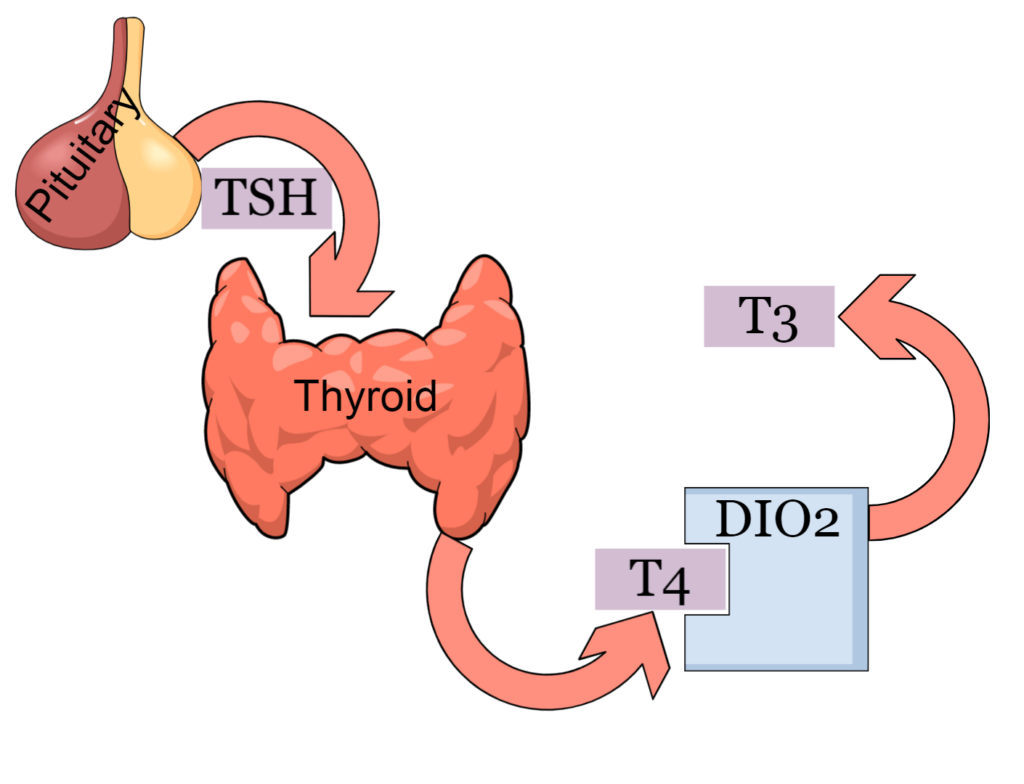
Hypothyroidism slows gut movement, and that can open the door to bacterial overgrowth. In a study of 50 people with a history of overt hypothyroidism from autoimmune thyroiditis, 54% had a positive breath test for SIBO, against 5% of controls.1 Bloating, flatulence and abdominal discomfort were more common in those with SIBO, and they improved after treatment of the overgrowth.
The stomach can be involved as well. In a study of 62 people with autoimmune thyroid disease, about one in three had atrophic body gastritis, a form of autoimmune gastritis that lowers stomach acid, and it was found in young patients too.3 Low stomach acid weakens the first barrier against swallowed bacteria and changes how protein is digested.
What did her tests show?
Katherine's results showed a very strong gas signal from SIBO together with a deeply disordered gut flora. Besides low levels of beneficial bacteria, two species of Citrobacter were found in harmful amounts. Too many protein fragments were found in the stool, and several vitamin and nutrient deficiencies could be explained by poor absorption. Finally, zonulin was very high, which points to increased gut permeability.
Hashimoto's and a leaky gut can form a vicious cycle. Thyroiditis delays the MMC and leads to SIBO, which in turn increases gut permeability and lets food antigens into the blood.
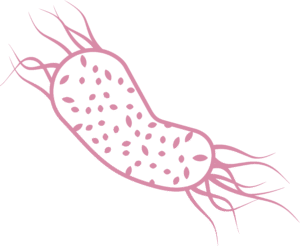
Citrobacter species
These bacteria in large amounts may explain gas and bloating.

Vitamin deficiencies
Poor absorption, probably caused by SIBO and a leaky gut.

High zonulin
Zonulin loosens the junctions between gut cells and lets more unwanted antigens into the blood.
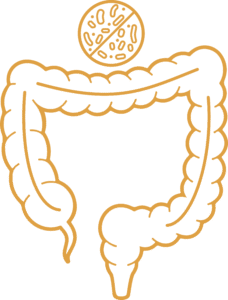
No beneficial bacteria
There was no sign of Lactobacilli or Bifidobacteria in the stool, after many antibiotics.

Protein loss
Gastritis and a weak gastric phase disturb protein digestion in the stomach, so protein is lost in the stool.
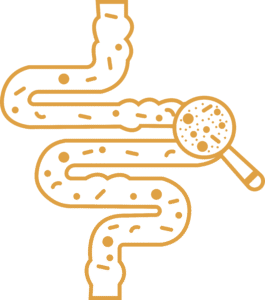
SIBO
High numbers of bacteria in the small intestine can contribute to reflux.
I started thyroxine for Hashimoto's, but my bloating and reflux got worse. Can the thyroid cause SIBO?
Hypothyroidism is linked with bacterial overgrowth, and in one study more than half of people with a history of hypothyroidism had SIBO.1 Treating the thyroid alone does not always reverse it, because the overgrowth and low stomach acid can keep going. A breath test helps check for it, and your doctor decides on treatment.
How was Katherine treated?
In cases like this, treatment lasts at least three months, with courses of rifaximin given at intervals, as decided by the doctor. The person also needs to follow a very specific and strict diet, with meals that nourish the gut and clear fasting gaps. These gaps help restore the environment of the small intestine and the properties of its lining. More on this link is in migrating motor complex and SIBO.
Nine months of follow-up
Katherine kept coming back over the next nine months to make sure she was on the right treatment, because she did not want to go through the same symptoms again. Mild flare-ups did not worry her. Every case is different, so Katherine's plan describes her care and is not a plan for anyone else.
What does Katherine's case show about the thyroid and the gut?
Frequently asked questions
Hypothyroidism slows gut movement, which favours bacterial overgrowth. In one study, 54% of people with a history of hypothyroidism from autoimmune thyroiditis had SIBO, against 5% of controls.1
Not always. In one study, clearing the overgrowth improved gut symptoms, while thyroid hormone levels did not change.1 The overgrowth usually needs its own treatment, together with meal timing that lets the cleaning wave work.
Eating all day, some medicines, low thyroid function and damage to the nerves of the gut can all slow it. When it slows, leftovers and bacteria stay longer in the small intestine.2
References
3 studies
- Lauritano EC, Bilotta AL, Gabrielli M, et al. Association between hypothyroidism and small intestinal bacterial overgrowth. J Clin Endocrinol Metab. 2007.
- Pimentel M, Soffer EE, Chow EJ, et al. Lower frequency of MMC is found in IBS subjects with abnormal lactulose breath test, suggesting bacterial overgrowth. Dig Dis Sci. 2002.
- Centanni M, Marignani M, Gargano L, et al. Atrophic body gastritis in patients with autoimmune thyroid disease: an underdiagnosed association. Arch Intern Med. 1999.
Found this useful? Share it with someone who needs it.
Cite this article
Prevedoros, T. (2022, September 22). Thyroxine did not settle IBS and reflux in Hashimoto’s. Gut Pathways. https://gutpathways.com/case-studies/ibs-and-hashimotos-disease/