Chronic diarrheaCarousel
Why does metformin cause diarrhea?
Metformin is the most common first drug for type 2 diabetes, and up to 3 in 10 people who take it report gut symptoms. Yet the same dose leaves others untouched. This review follows the evidence from the OCT1 transporter to the cohorts that measured the risk, and then to what helps in practice.


16 pictures. Swipe sideways, or use the left and right arrow keys.
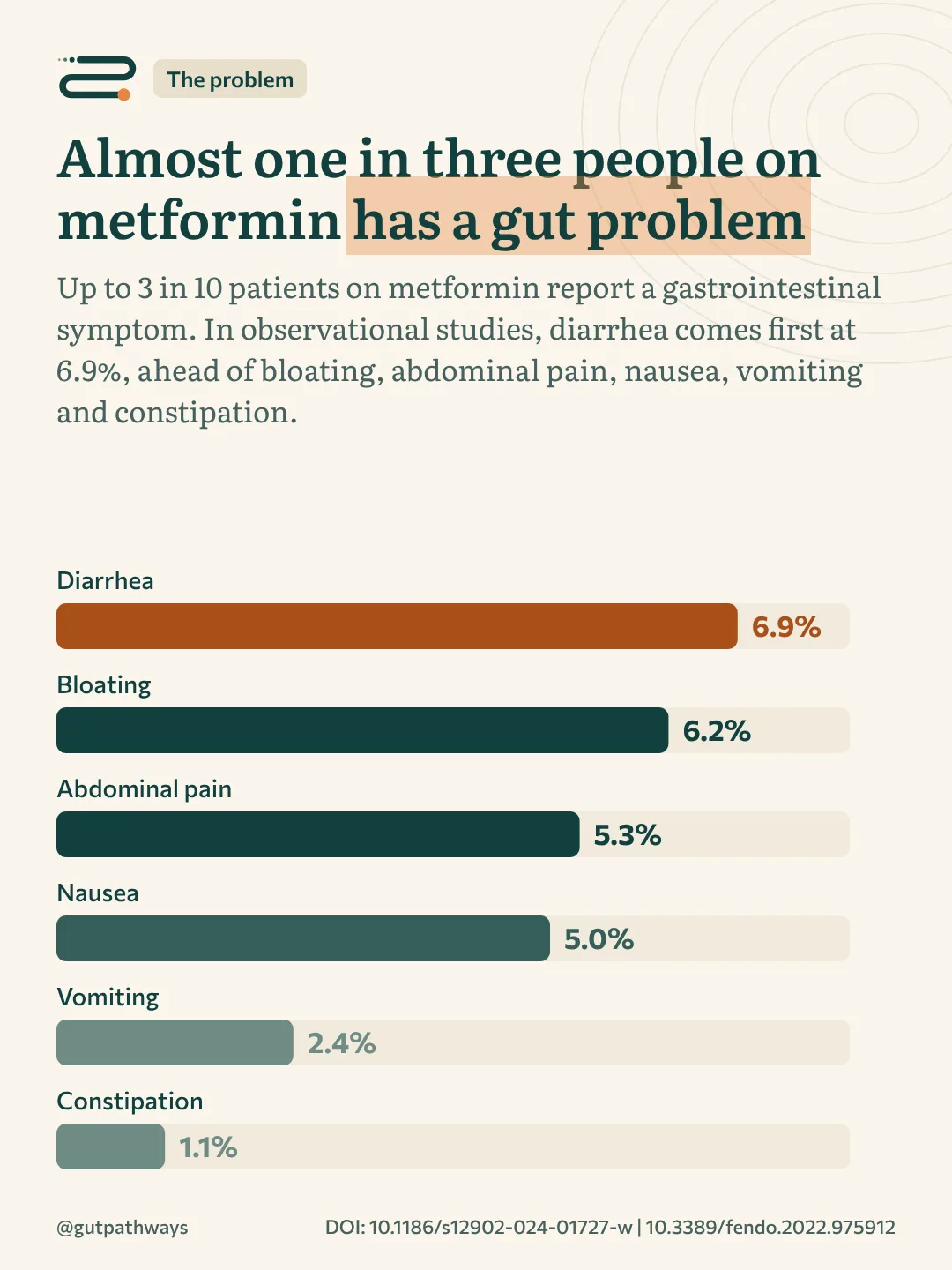
02 Almost one in three people on metformin has a gut problem
Up to 3 in 10 patients on metformin report a gastrointestinal symptom. In observational studies, diarrhea comes first at 6.9%, ahead of bloating, abdominal pain, nausea, vomiting and constipation.
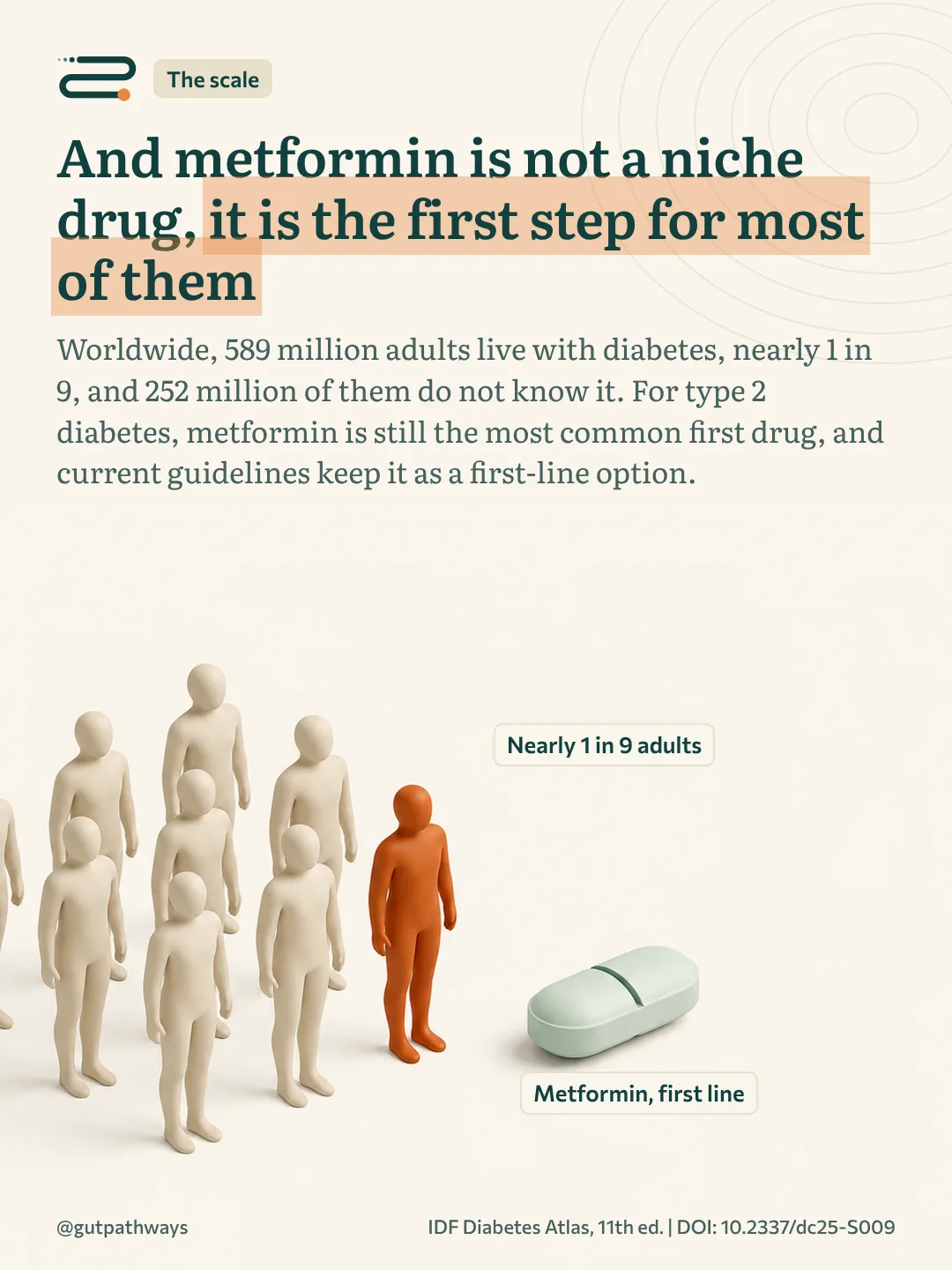
03 And metformin is not a niche drug, it is the first step for most of them
Worldwide, 589 million adults live with diabetes, nearly 1 in 9, and 252 million of them do not know it. For type 2 diabetes, metformin is still the most common first drug, and current guidelines keep it as a first-line option.
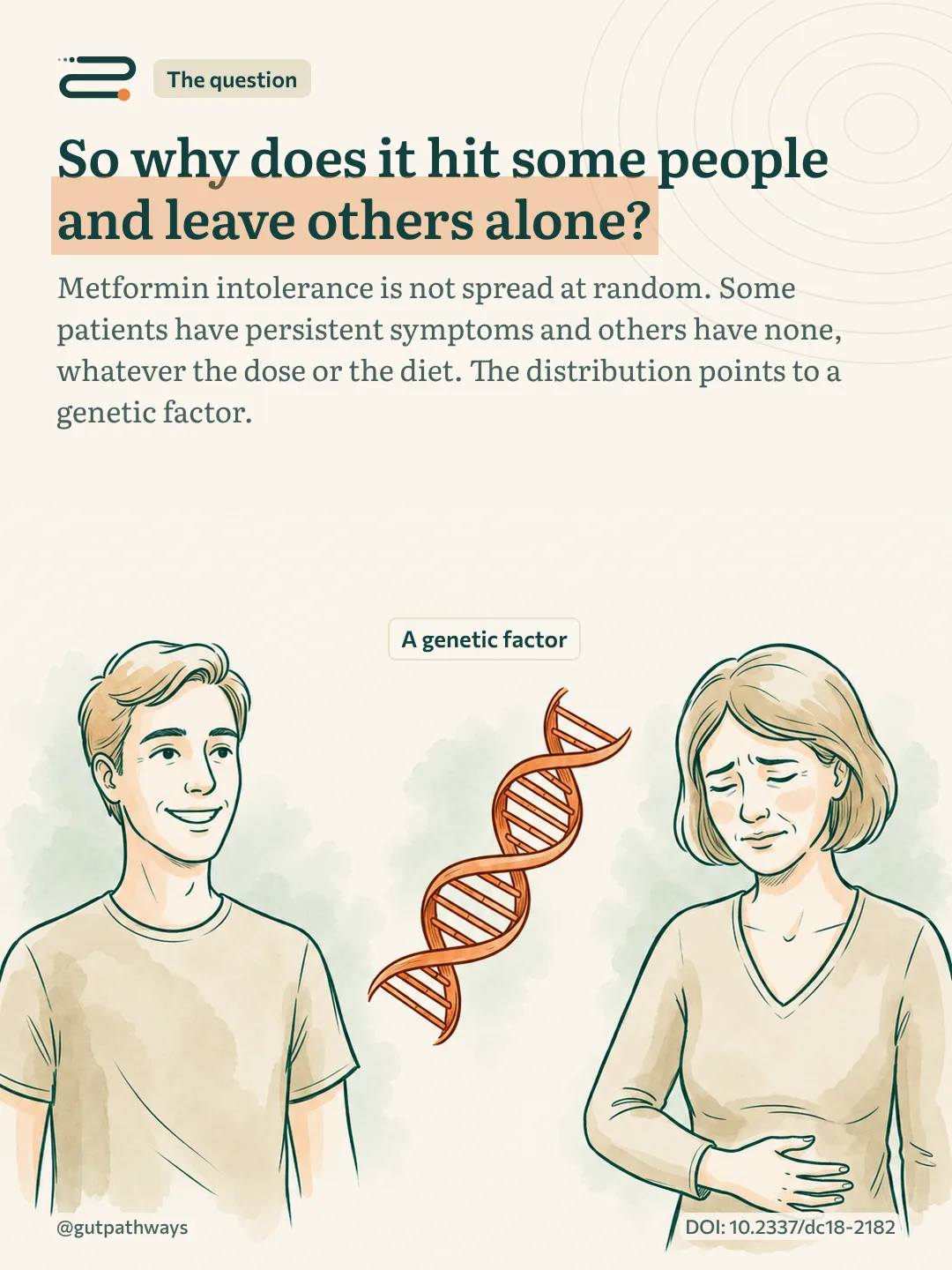
04 So why does it hit some people and leave others alone?
Metformin intolerance is not spread at random. Some patients have persistent symptoms and others have none, whatever the dose or the diet. The distribution points to a genetic factor.
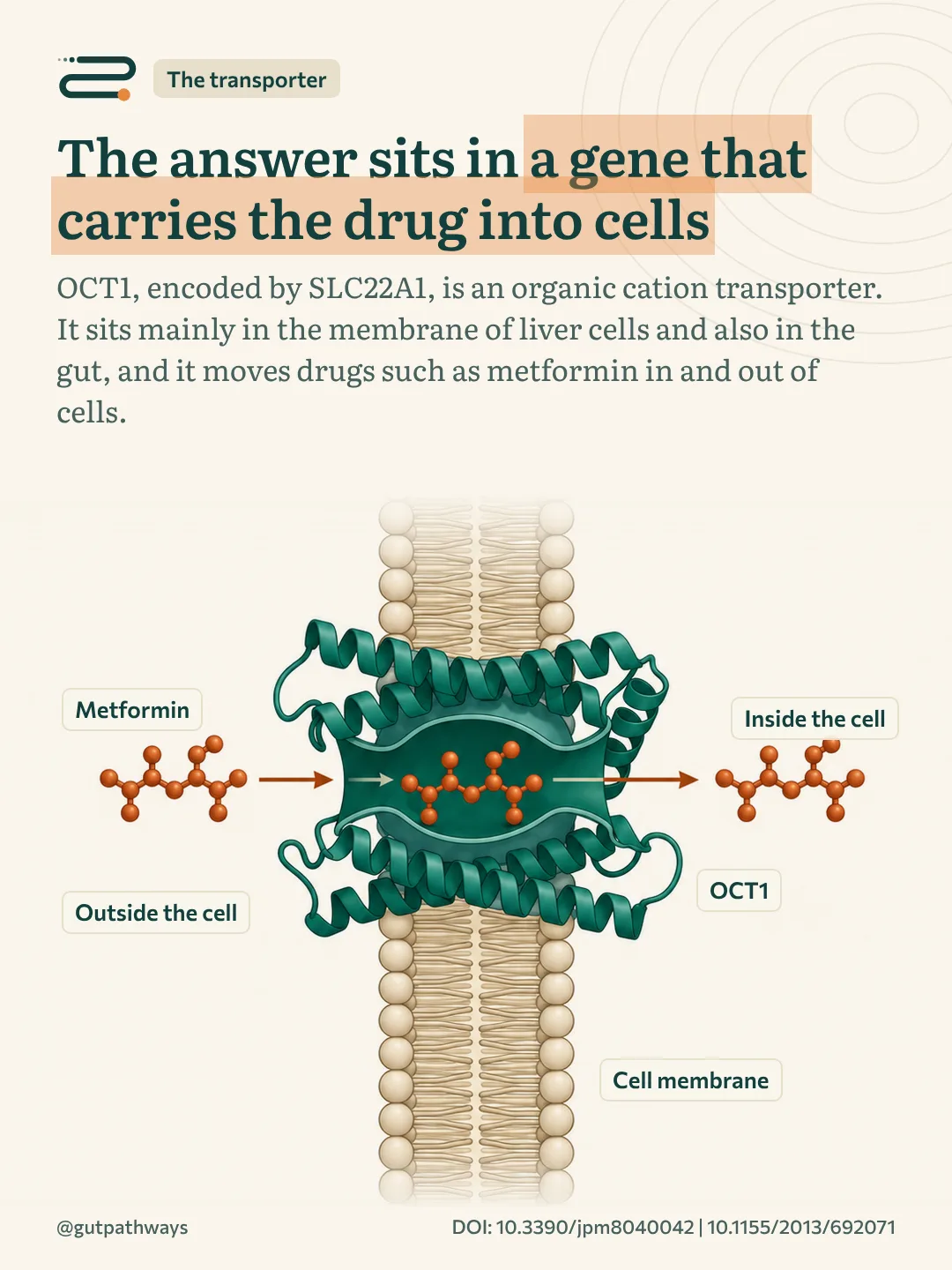
05 The answer sits in a gene that carries the drug into cells
OCT1, encoded by SLC22A1, is an organic cation transporter. It sits mainly in the membrane of liver cells and also in the gut, and it moves drugs such as metformin in and out of cells.
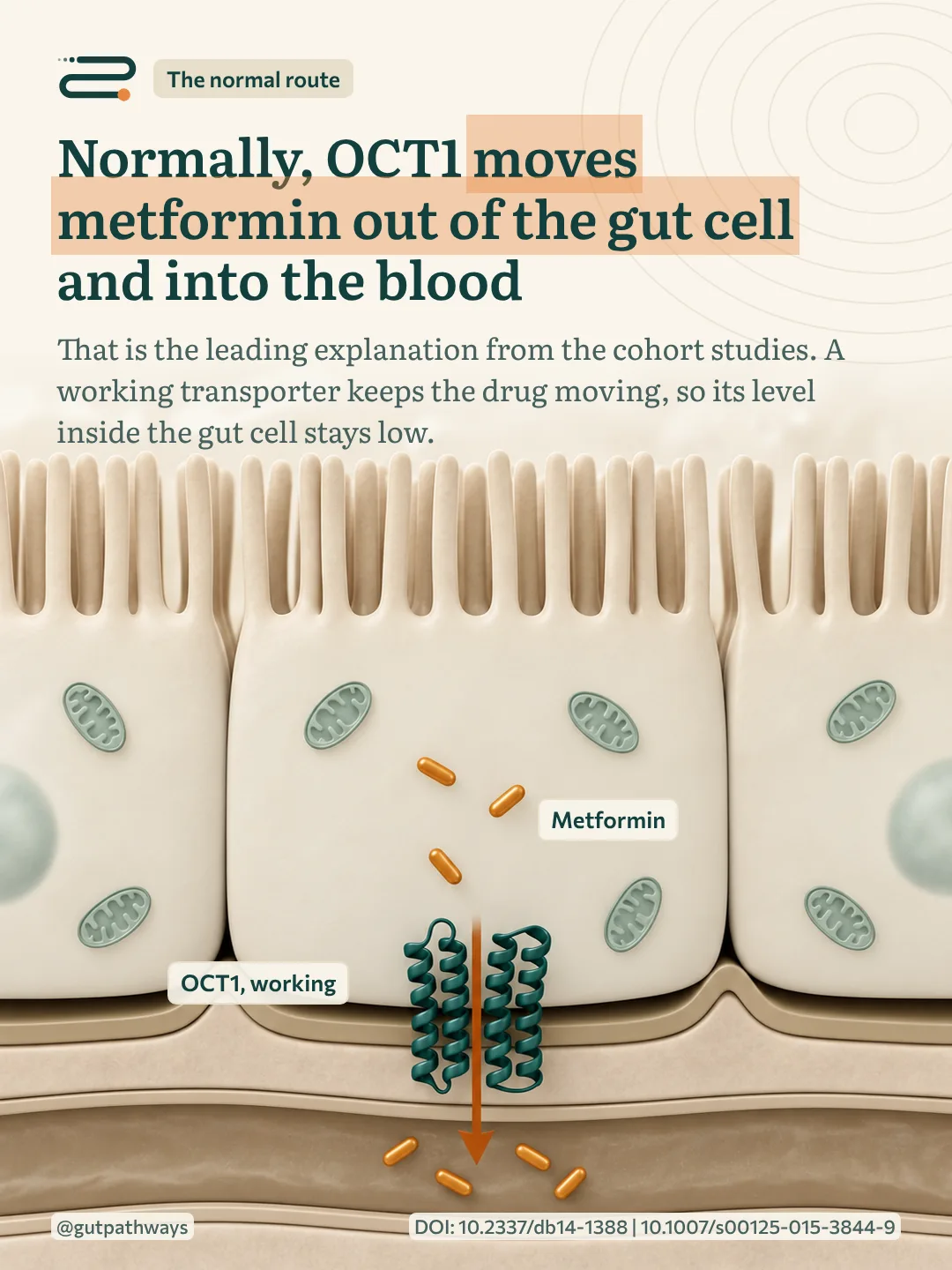
06 Normally, OCT1 moves metformin out of the gut cell and into the blood
That is the leading explanation from the cohort studies. A working transporter keeps the drug moving, so its level inside the gut cell stays low.
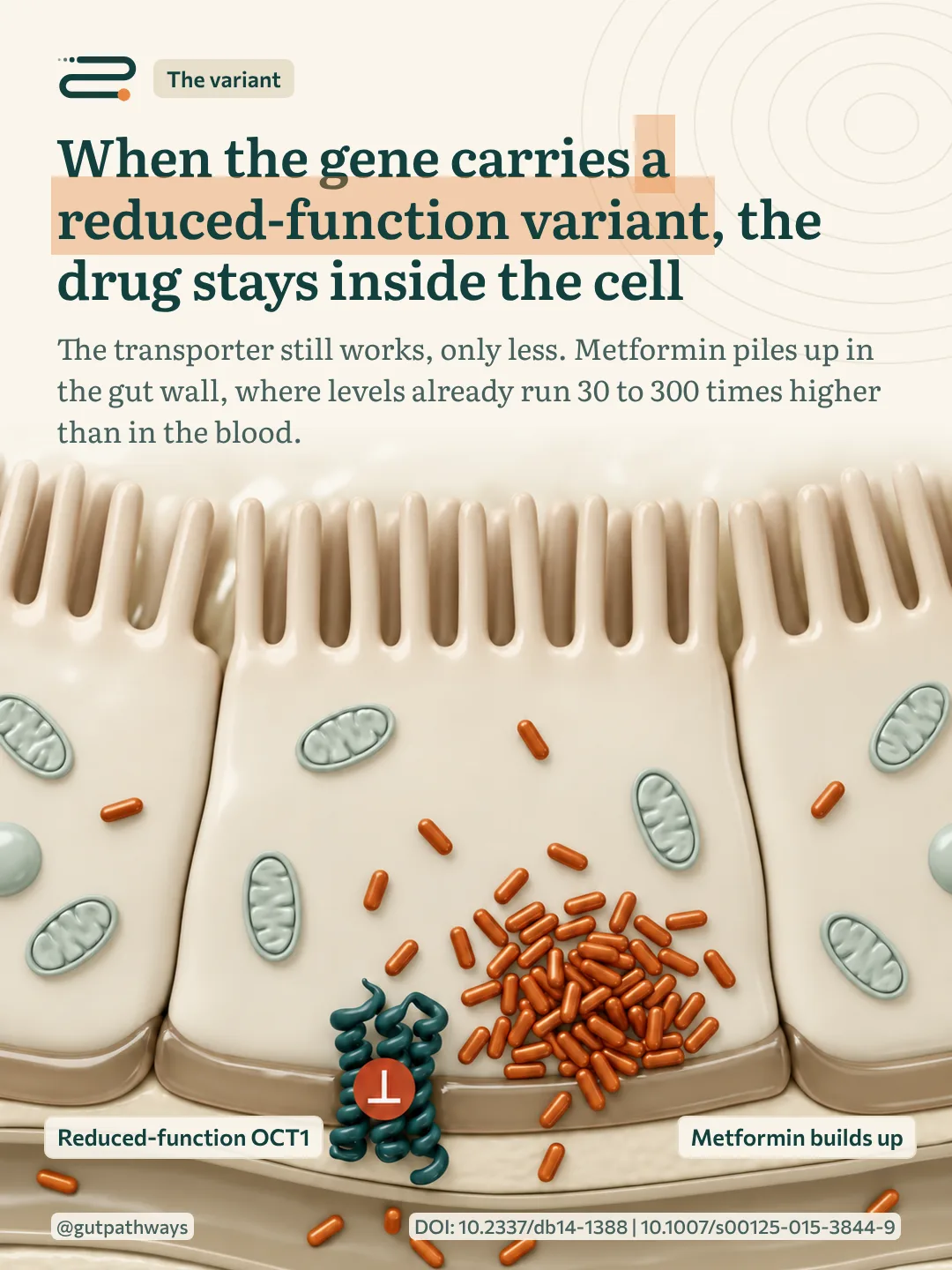
07 When the gene carries a reduced-function variant, the drug stays inside the cell
The transporter still works, only less. Metformin piles up in the gut wall, where levels already run 30 to 300 times higher than in the blood.
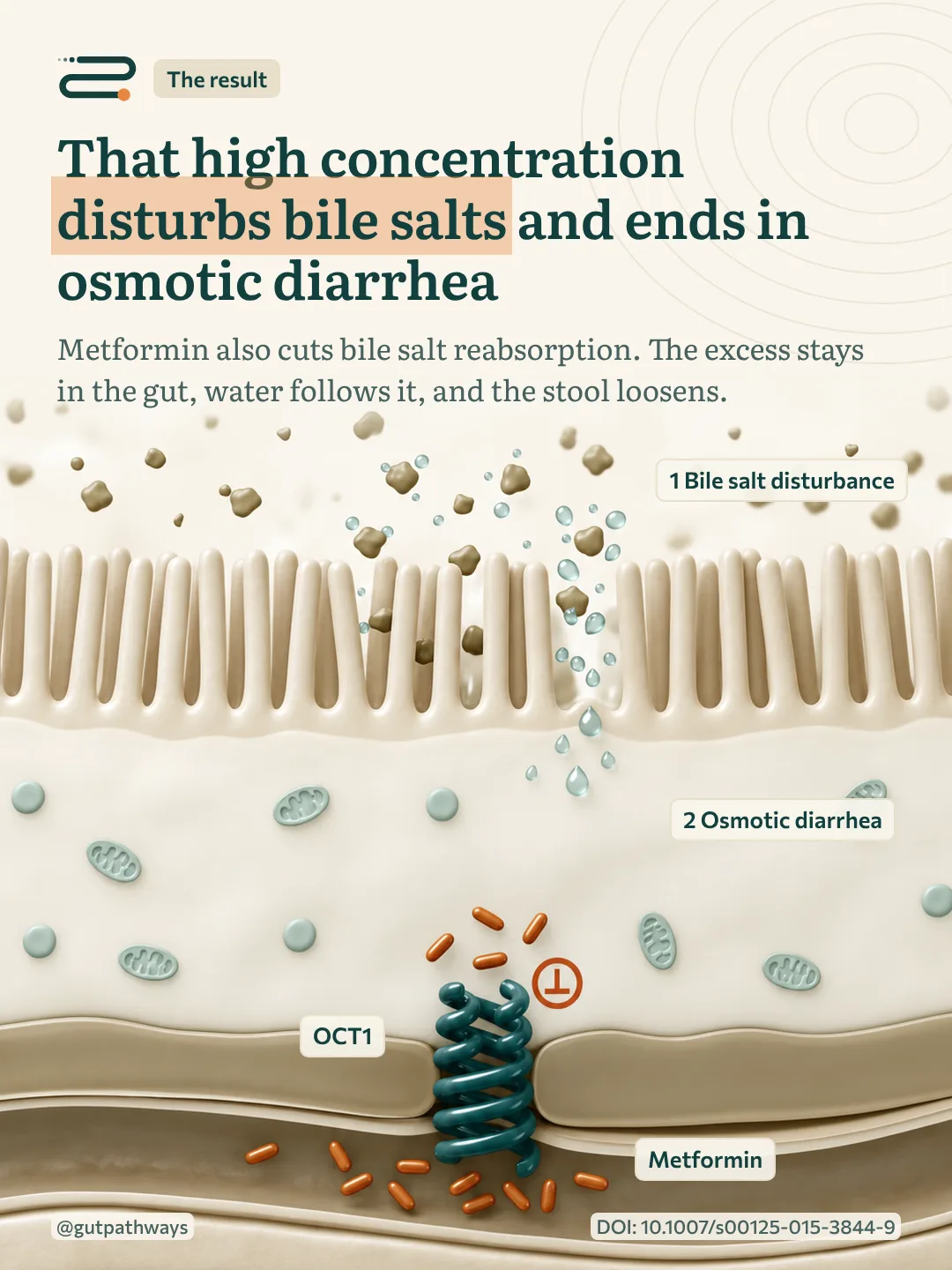
08 That high concentration disturbs bile salts and ends in osmotic diarrhea
Metformin also cuts bile salt reabsorption. The excess stays in the gut, water follows it, and the stool loosens.
09 And these variants are anything but rare
About 4 in 10 people of European ancestry carry one reduced-function OCT1 allele, and about 1 in 10 carries two.
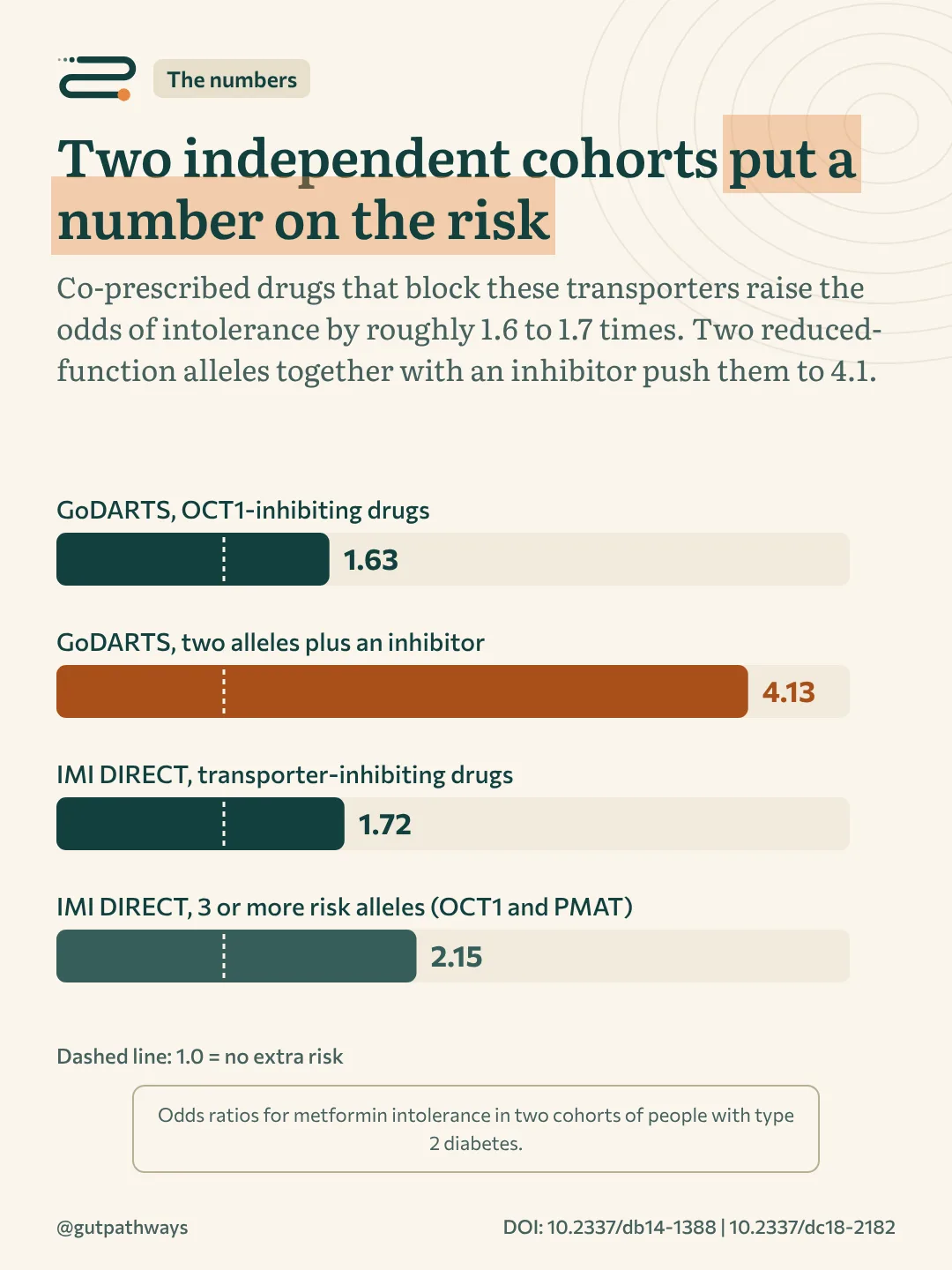
10 Two independent cohorts put a number on the risk
Co-prescribed drugs that block these transporters raise the odds of intolerance by roughly 1.6 to 1.7 times. Two reduced-function alleles together with an inhibitor push them to 4.1.
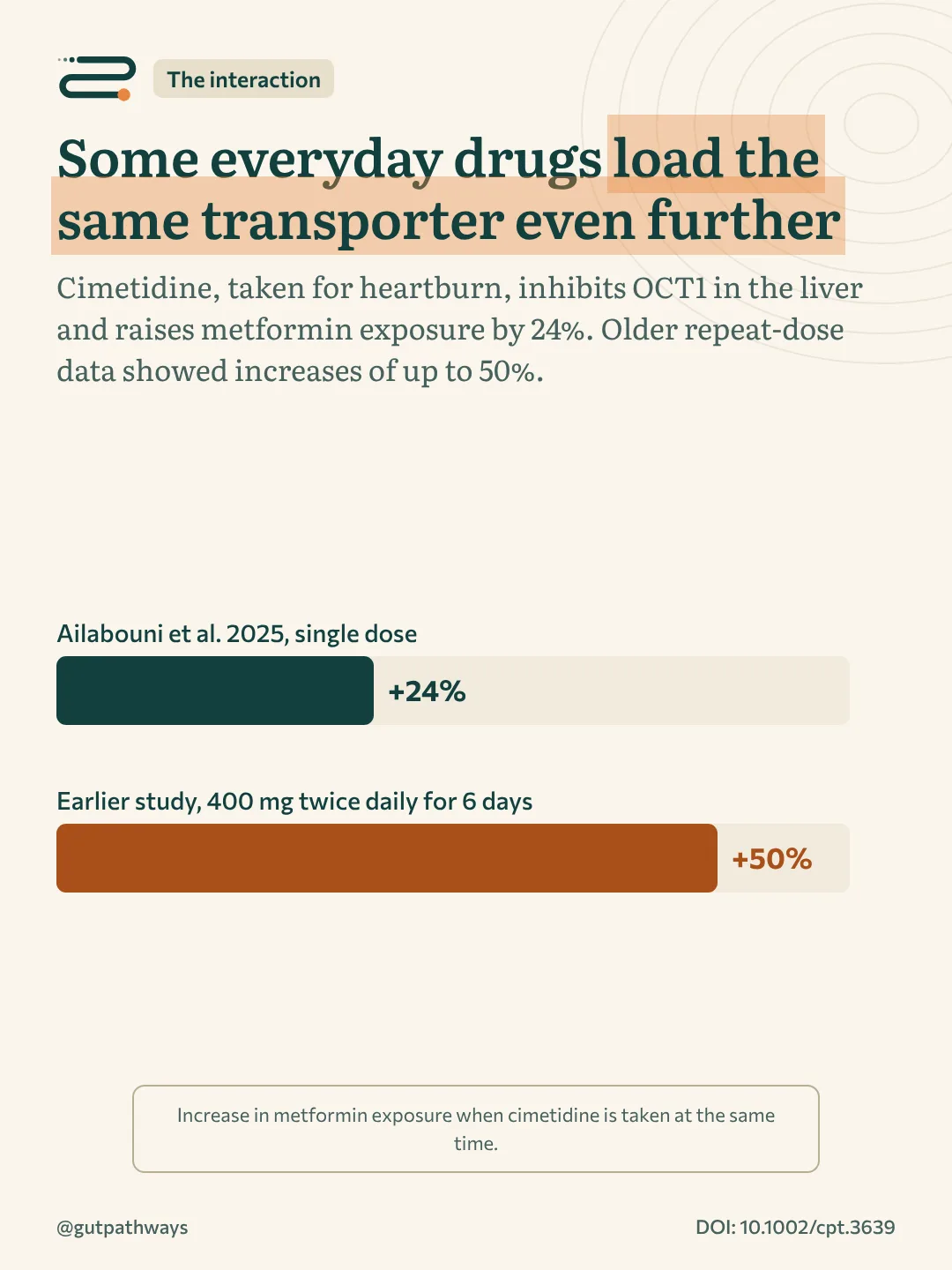
11 Some everyday drugs load the same transporter even further
Cimetidine, taken for heartburn, inhibits OCT1 in the liver and raises metformin exposure by 24%. Older repeat-dose data showed increases of up to 50%.
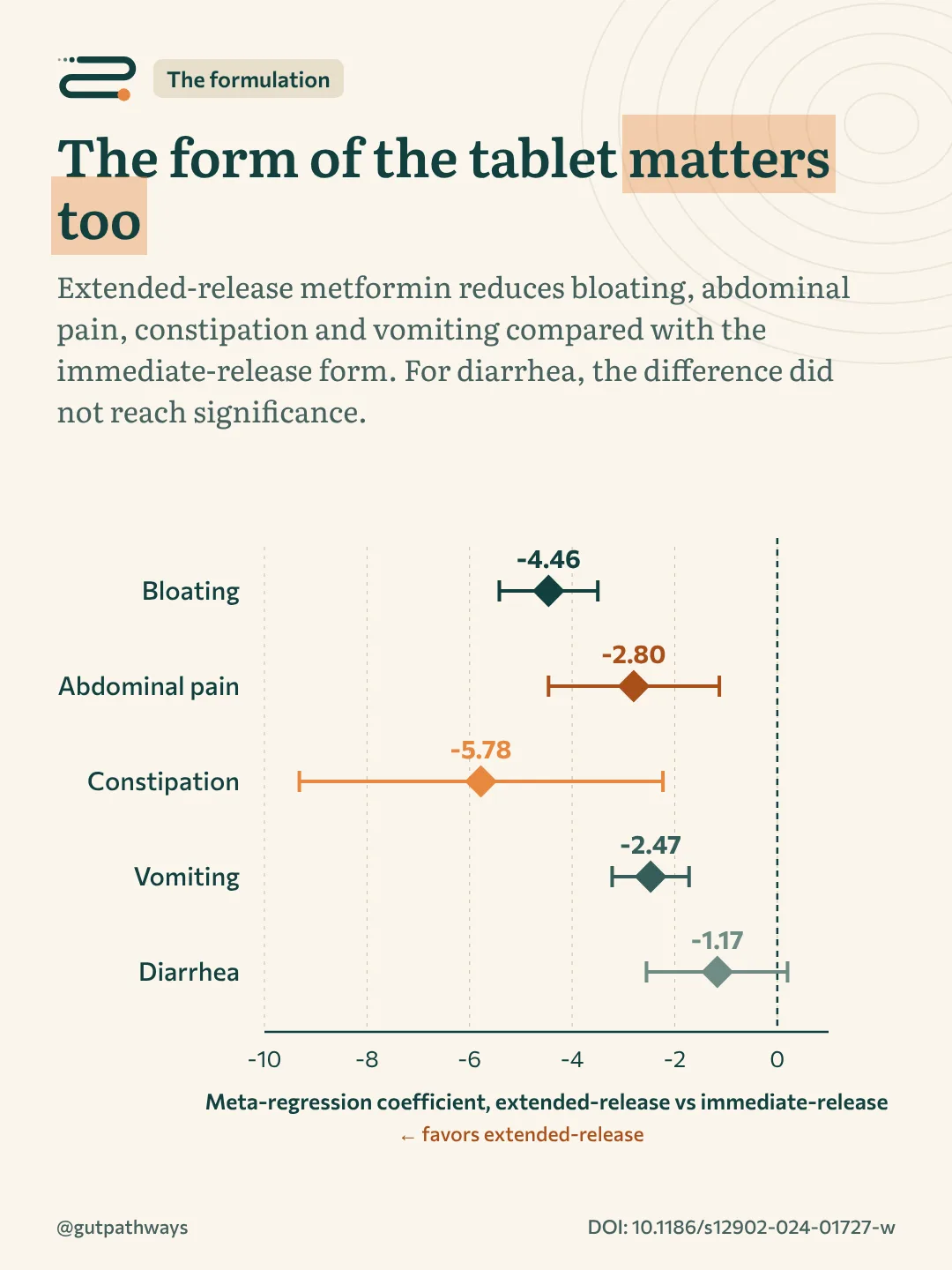
12 The form of the tablet matters too
Extended-release metformin reduces bloating, abdominal pain, constipation and vomiting compared with the immediate-release form. For diarrhea, the difference did not reach significance.
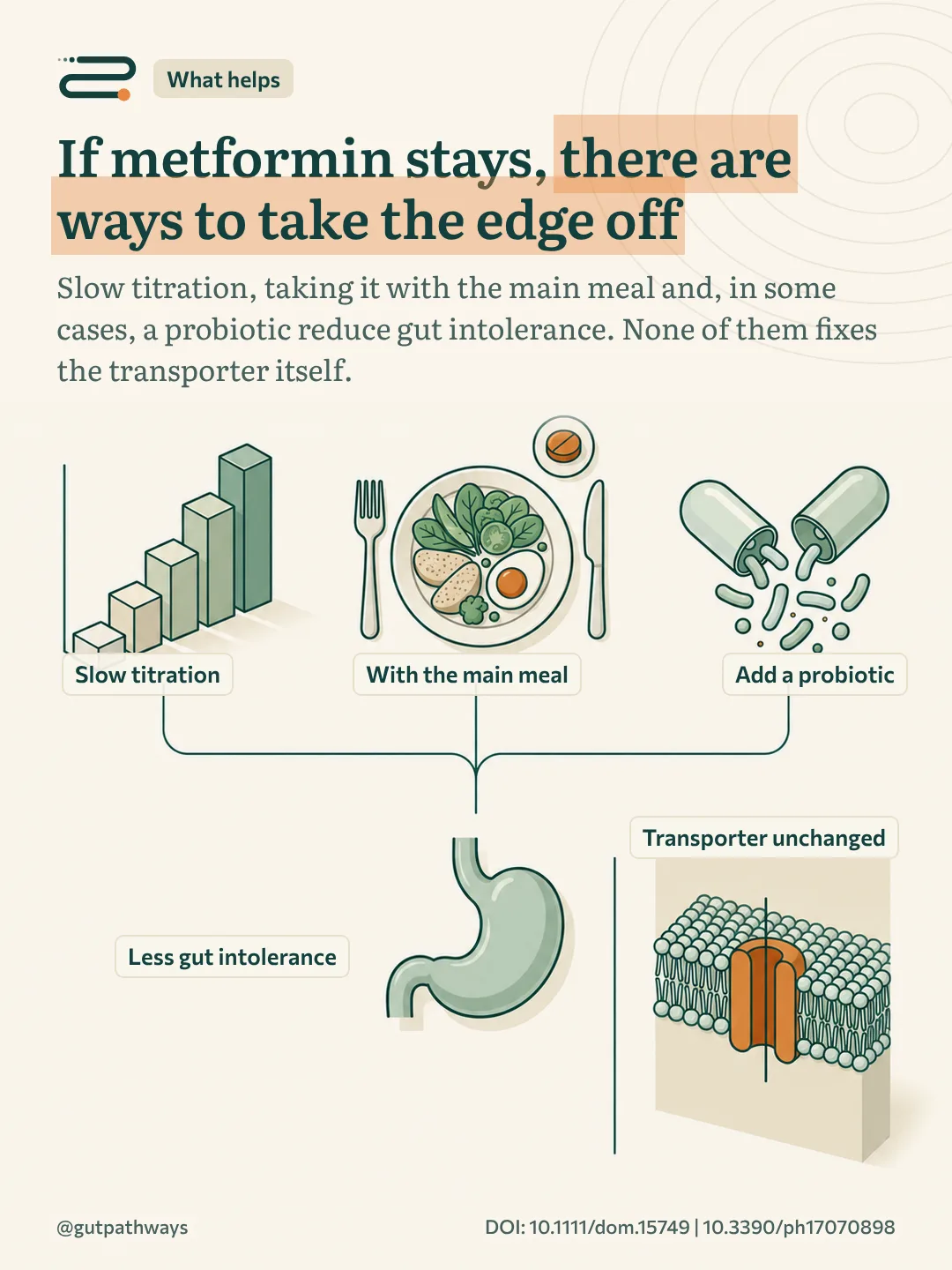
13 If metformin stays, there are ways to take the edge off
Slow titration, taking it with the main meal and, in some cases, a probiotic reduce gut intolerance. None of them fixes the transporter itself.
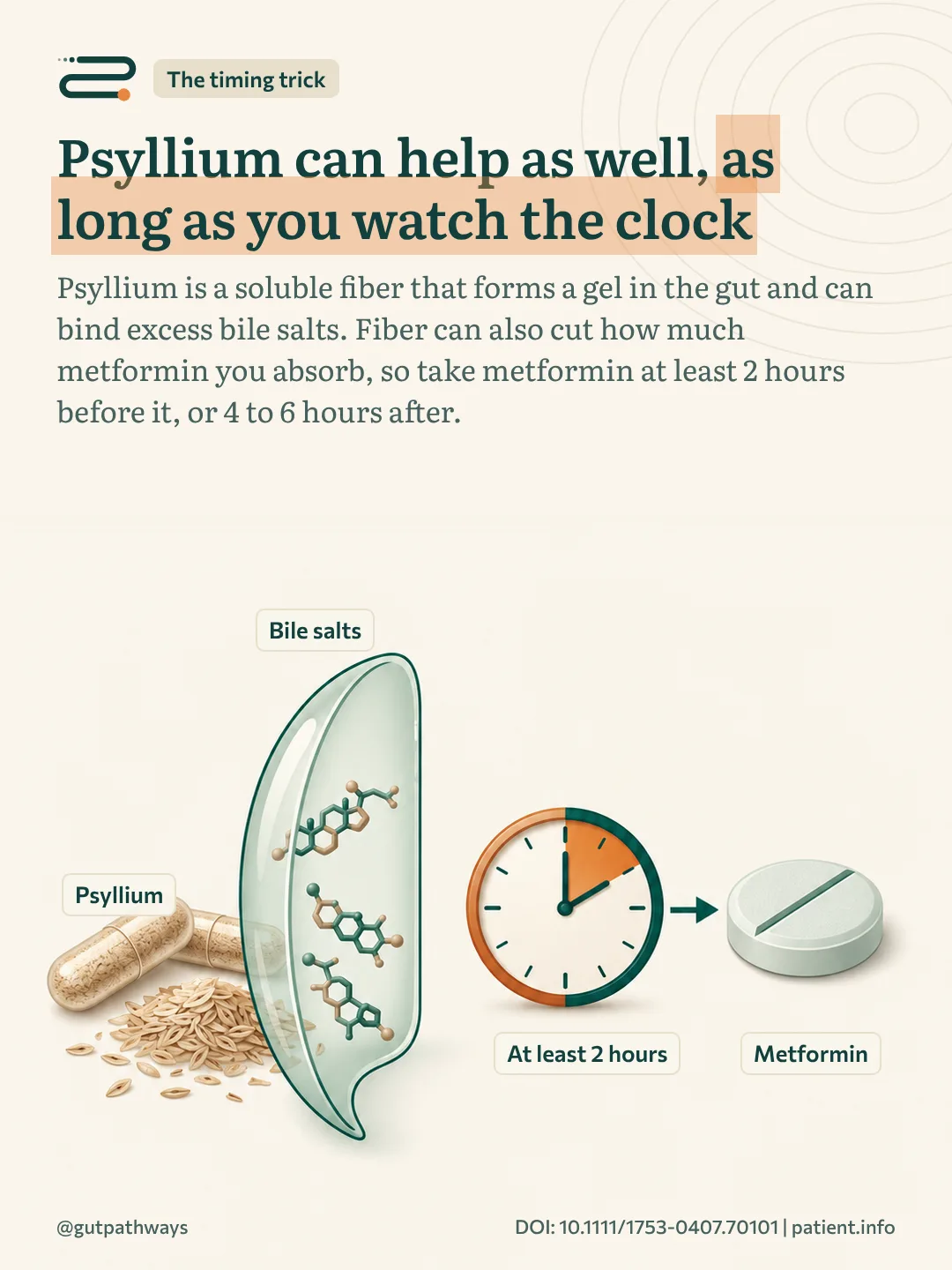
14 Psyllium can help as well, as long as you watch the clock
Psyllium is a soluble fiber that forms a gel in the gut and can bind excess bile salts. Fiber can also cut how much metformin you absorb, so take metformin at least 2 hours before it, or 4 to 6 hours after.
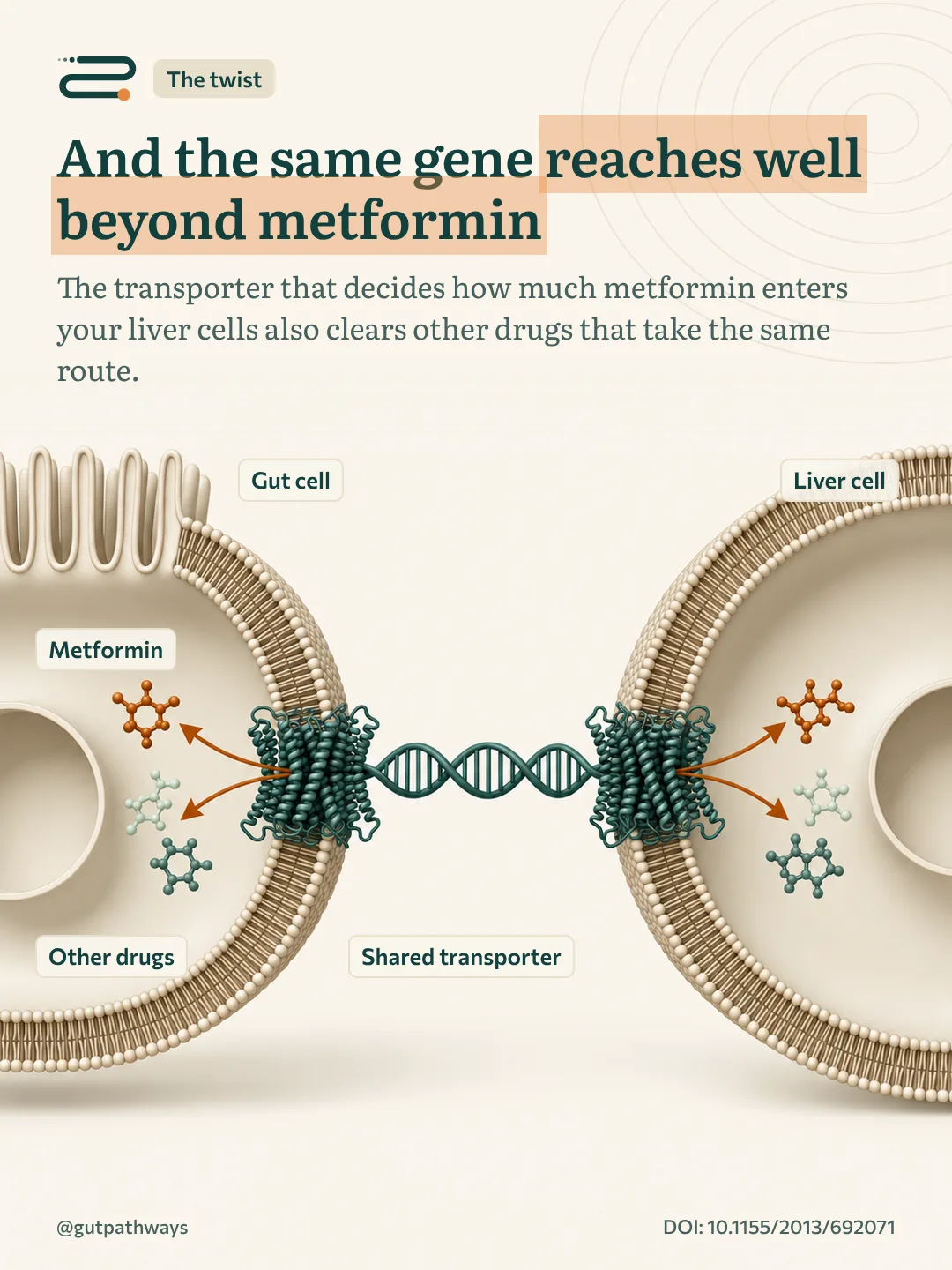
15 And the same gene reaches well beyond metformin
The transporter that decides how much metformin enters your liver cells also clears other drugs that take the same route.
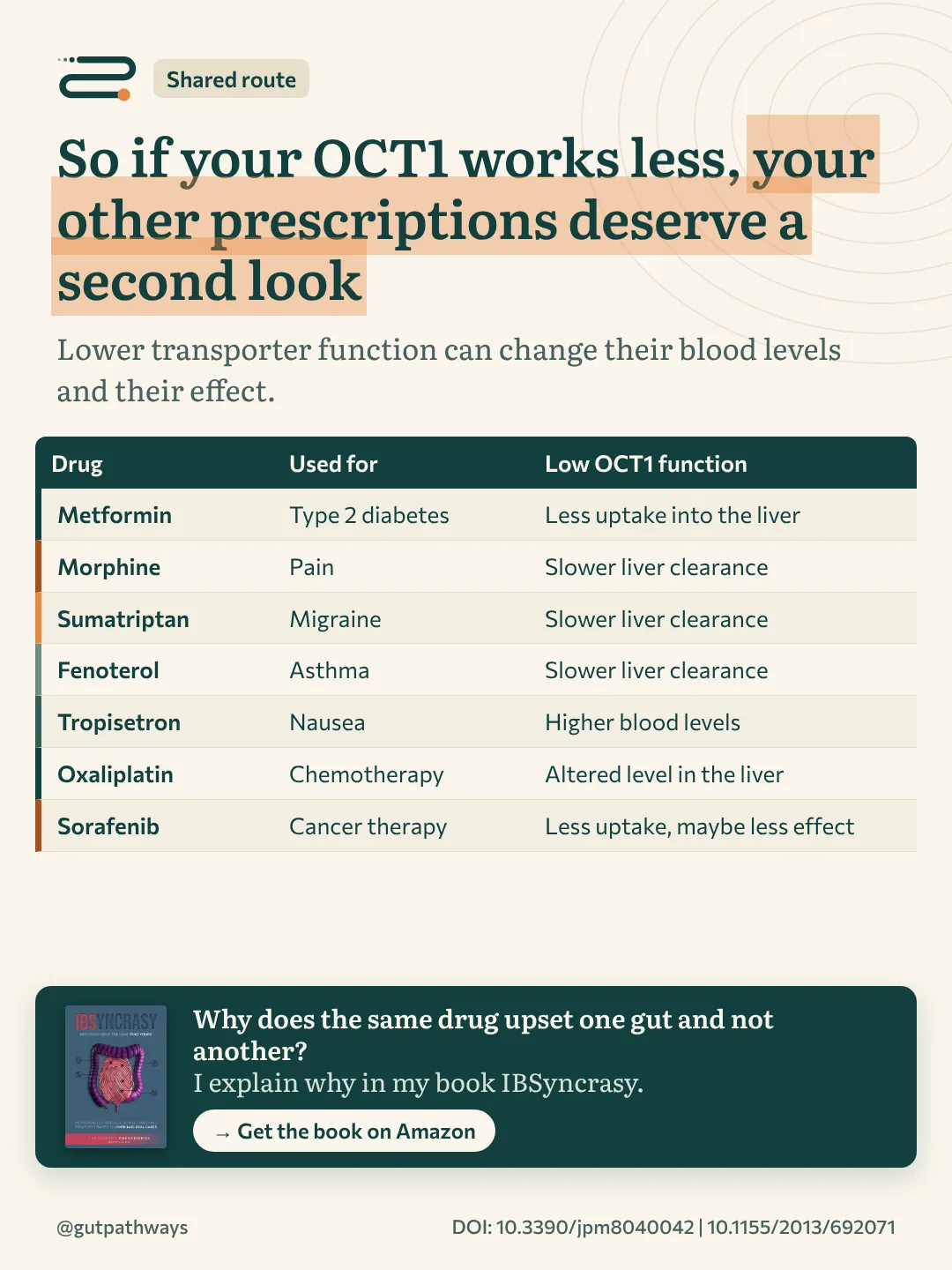
16 So if your OCT1 works less, your other prescriptions deserve a second look
Lower transporter function can change their blood levels and their effect.
Sources
- Nabrdalik K et al. Gastrointestinal adverse events of metformin treatment in patients with type 2 diabetes mellitus: a systematic review and meta-analysis with meta-regression of observational studies. BMC Endocr Disord. 2024. https://doi.org/10.1186/s12902-024-01727-w
- Nabrdalik K et al. Gastrointestinal adverse events of metformin treatment in patients with type 2 diabetes mellitus: a systematic review, meta-analysis and meta-regression of randomized controlled trials. Front Endocrinol. 2022. https://doi.org/10.3389/fendo.2022.975912
- International Diabetes Federation. IDF Diabetes Atlas, 11th edition. 2025.
- American Diabetes Association. 9. Pharmacologic Approaches to Glycemic Treatment: Standards of Care in Diabetes 2025. Diabetes Care. 2025. https://doi.org/10.2337/dc25-S009
- Dawed AY et al. Variation in PMAT (SLC29A4) and OCT1 (SLC22A1) and gastrointestinal intolerance to metformin in type 2 diabetes: an IMI DIRECT study. Diabetes Care. 2019. https://doi.org/10.2337/dc18-2182
- Bokelmann K et al. Impact of promoter polymorphisms on the transcriptional regulation of the organic cation transporter OCT1 (SLC22A1). J Pers Med. 2018. https://doi.org/10.3390/jpm8040042
- Lozano E et al. Role of the plasma membrane transporter of organic cations OCT1 and its genetic variants in modern liver pharmacology. Biomed Res Int. 2013. https://doi.org/10.1155/2013/692071
- Dujic T et al. Association of organic cation transporter 1 with intolerance to metformin in type 2 diabetes: a GoDARTS study. Diabetes. 2015. https://doi.org/10.2337/db14-1388
- McCreight LJ, Bailey CJ, Pearson ER. Metformin and the gastrointestinal tract. Diabetologia. 2016. https://doi.org/10.1007/s00125-015-3844-9
- Seitz T et al. Global genetic analyses reveal strong inter-ethnic variability in the loss of activity of the organic cation transporter OCT1. Genome Med. 2015. https://doi.org/10.1186/s13073-015-0172-0
- Ailabouni AS et al. Quantitative contributions of hepatic and renal organic cation transporters to the clinical pharmacokinetic cimetidine-metformin interaction. Clin Pharmacol Ther. 2025. https://doi.org/10.1002/cpt.3639
- Silverii GA et al. Optimizing metformin therapy in practice: tailoring therapy in specific patient groups to improve tolerability, efficacy and outcomes. Diabetes Obes Metab. 2024. https://doi.org/10.1111/dom.15749
- Szymczak-Pajor I et al. Metformin-associated gastrointestinal adverse events are reduced by probiotics: a meta-analysis. Pharmaceuticals. 2024. https://doi.org/10.3390/ph17070898
- Hall RM et al. Potential detrimental interactions between metformin and supplemental dietary fiber in type 2 diabetes. J Diabetes. 2025. https://doi.org/10.1111/1753-0407.70101
- Patient.info. Fibre supplements and metformin interaction.